SEARCH
34898 results found with an empty search
- Rippon Vineyard | | The En Primeur Club
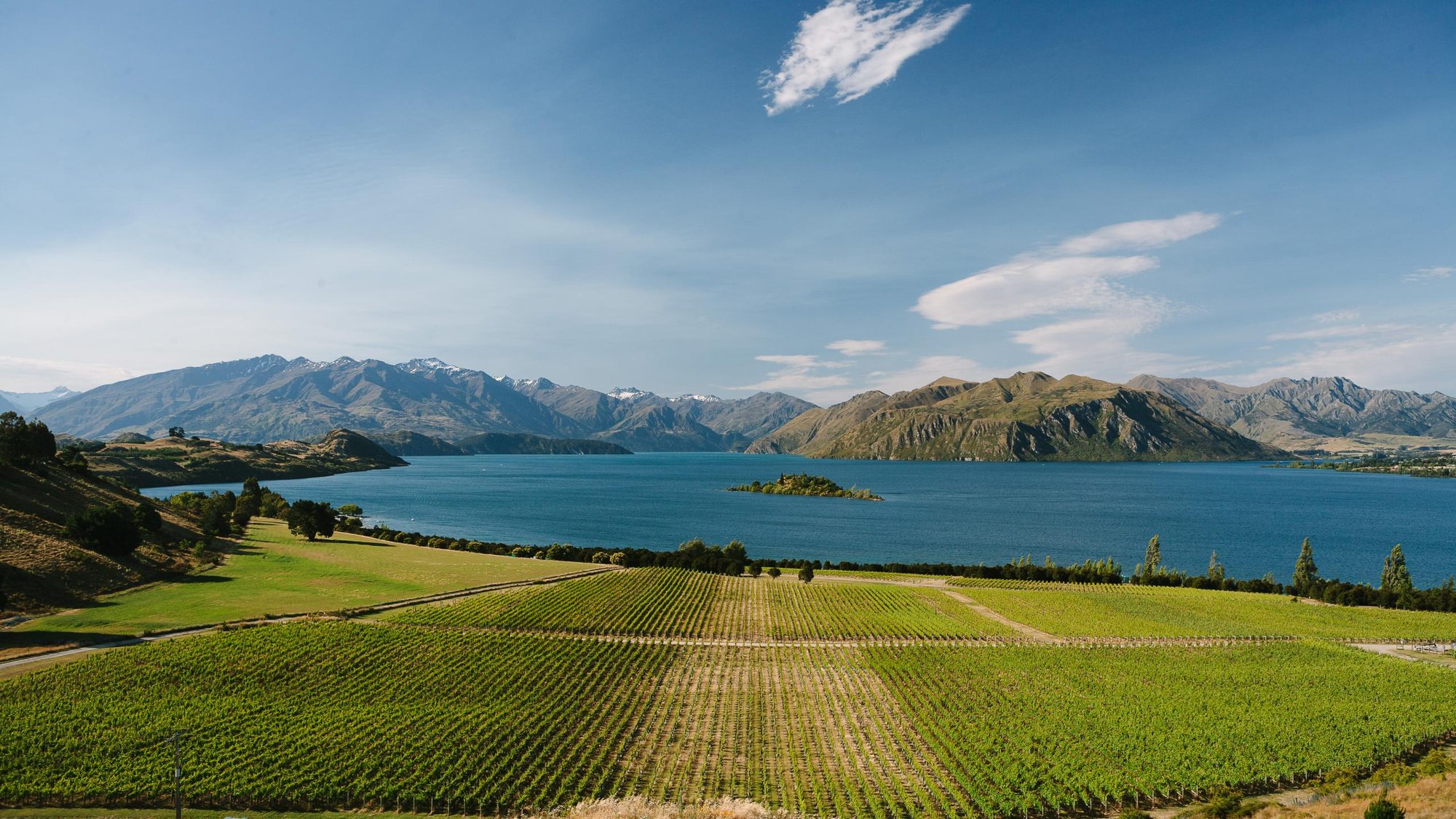
Rippon Vineyard in Wānaka, Central Otago practices biodynamic, estate-grown winemaking on schist soils. Signature wines include Rippon Pinot Noir, Rippon Riesling and Rippon Gewürztraminer—each aged in French oak or stainless for purity. Awarded Best Vineyard in Australasia and ranked eighth globally, Rippon pairs lakeside tastings at Rippon Hall with panoramic Southern Alps views. Expect mineral-driven acidity, fine-grained tannins and aromatic lift: red cherry, stone-fruit, citrus oil and alpine herb notes that evolve with cellaring. Appointment-only, guided experiences emphasize terroir, heritage and sustainable stewardship for collectors and travelers seeking considered, age-worthy Central Otago wines. < Back Details Rippon Vineyard WINERY SUMMARY Rippon Vineyard in Central Otago arrives in the first sentence with a scene: the Mills family estate sits on the western flanks of Lake Wānaka, where wind-swept schist soils and cool alpine air shape wines of precision. Walk the slopes at dawn and you will register the same elements that inform the cellar—significant diurnal range, fast-draining schist, and a lakeside influence that prolongs ripening. Rippon Vineyard has translated that place into bottles, with an estate-focused portfolio and biodynamic farming that prioritizes soil life and longevity. The vineyard’s reputation—recently cited as Best Vineyard in Australasia and ranked eighth worldwide—draws collectors and serious wine travelers to Central Otago for focused tastings and allocated releases. The Mills family story anchors Rippon’s craft. The land entered family hands in 1912; Rolfe Sargood Mills planted experimental vines in 1975 and established the first commercial block in 1982. Today Nick Mills leads winemaking and stewardship with a production team committed to Demeter-certified biodynamics (vineyard-wide, early 2000s certification) and minimal intervention in the cellar. That philosophy yields a restrained, terroir-forward style: natural ferments, low-addition practices and measured use of French oak for structure rather than overt spice. Rippon Vineyard’s awards and international critical attention reflect consistent scores and allocated bottlings; those accolades support a tasting program designed for guests who value provenance, patience and singular vineyard expression. The product journey at Rippon Vineyard emphasizes variety-by-vineyard storytelling. Rippon Pinot Noir—Rippon’s flagship—draws from multiple schist parcels across roughly 15 hectares of vines; fruit sees native yeast fermentation, careful whole-bunch inclusion where appropriate, and maturation in French oak to produce wine with red-cherry clarity, iron-mineral drive and fine-grained tannins capable of 10–20 years’ evolution. Rippon Riesling captures high-acid clarity and slate-like minerality, often bottled from select rows to preserve citrus peel, petrol nuance and saline lift. Rippon Gewürztraminer highlights aromatic intensity—rose petal, lychee and spice—harvested early for balance and stainless- or neutral-wood handling to retain fragrance. Rippon Gamay offers a cooler-climate, light-bodied red with crunchy red fruit and floral lift. The estate issues limited single-vineyard and small-allocation bottlings in select years; these releases are often reserved for collectors and mailing-list members, reflecting small-case production and a deliberate cellar-ageing program. Visiting Rippon Vineyard centers on Rippon Hall, an intimate tasting room built from local materials with uninterrupted views across Lake Wānaka to the Southern Alps. Tastings are appointment-only and guided by the cellar team, focusing on biodynamic practice, block differences and the cellar’s maturation choices. The property sets aside picnic areas and private-event spaces for seasonal pairings with regional chefs; hospitality is intentionally educational and unhurried. The estate’s barrel program and French-oak regimen are visible conversation points during visits, and the production team occasionally offers focused verticals or allocated-tasting opportunities for collectors—advance booking is essential because experiences are limited and seasonally adjusted. Best times to visit are late summer and early autumn (February–April) when the canopy shows color and harvest rhythm is apparent; spring visits reveal vigorous shoot growth and soil activity. All tastings require appointments—book ahead, especially in high season—and confirm availability for private or group events. Rippon Vineyard manages visits to protect the vineyard and ensure an undisturbed, informative tasting for each guest. If you seek wines that speak of schist, lake-borne cooling and decades of family care, Rippon Vineyard rewards close attention. Reserve an appointment at Rippon Vineyard and experience biodynamic viticulture, estate-grown Pinot Noir and the lakeside perspective that shapes each vintage. REQUEST BOOKING WINEMAKER ACCOLADES (2025) World's 50 Best Best Vineyards #17 JOIN THE CLUB FEATURED GUIDES NEARBY WINERIES 00 Wines 1310 Spirit of the Country Distillery 1404 Manufacturing Distillery 1516 Brewing Company Distillery 2B Hemp Gin Distillery 50 West Vineyards 5020 Koudelka-Sturm Distillery A to Z Wineworks A. Batch Distillery A. Margaine A. Rafanelli Winery ANCAP Alcoholes CONTACT 246 Wānaka-Mt Aspiring Rd, Wānaka 9305, New Zealand https://rippon.co.nz +64 3 443 8084
- Arista Winery | | The En Primeur Club
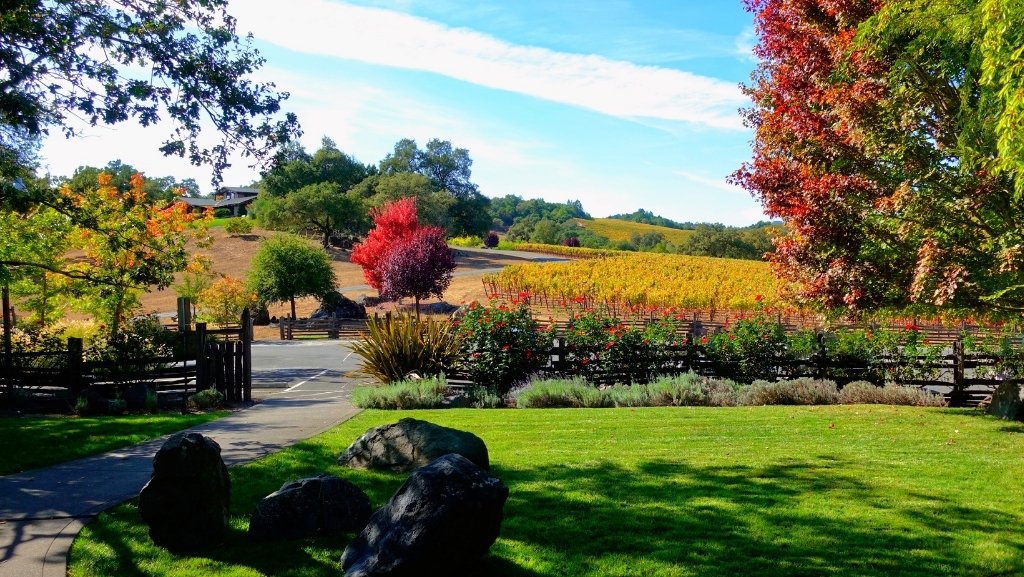
Arista Winery in the Russian River Valley produces small-lot, terroir-driven Pinot Noir and Chardonnay. Led by winemaker Matt Courtney, Arista crafts estate and single-vineyard bottlings—signature small-lot Pinot Noir, Westside Road Chardonnay and single-vineyard releases—that reflect Goldridge soils and fog-cooled mornings. The cellar emphasizes minimal intervention, precise oak aging and sustainable farming across its Westside Road holdings. Critics have recognized Arista for consistent, nuanced wines; tastings deliver layered red-fruit, saline minerality and bright citrus tension. Expect a refined, intimate tasting that pairs cellar storytelling with vivid vineyard provenance and focused, age-worthy vintages. < Back Details Arista Winery WINERY SUMMARY Arista Winery sits on Westside Road in the Russian River Valley and presents a sensory entrance to Sonoma County’s cool-climate expression of Pinot Noir and Chardonnay. At Arista Winery the morning fog lifts across Goldridge soils and low vines, revealing fruit that verges between savory and floral; the first glass is as much about place as it is about technique. Visitors arrive expecting Pinot Noir driven by site specificity, precise oak influence and the kind of small-batch attention that turns a single barrel into a conversation piece. Russian River Valley’s fog, diurnal shifts and centuries-old clonal selections inform each vintage, setting the stage for wines that speak directly of slope, soil and microclimate. In the tasting room, aromatic tension—wet stone, cranberry, citrus blossom—prepares the palate for the cellar’s restraint and clarity. The McWilliams family founded Arista Winery in 2002; the estate evolved under their stewardship and through 2012 stewardship passed to the next generation, with leadership that preserves the original vision. Winemaker Matt Courtney, known for exacting small-lot work and previous tenure at high-profile producers, brings a disciplined, low-intervention approach to the cellar. Courtney’s philosophy privileges site expression: fermentations are tailored to each block, new oak is applied judiciously and élevage emphasizes texture over overt wood. Though specific medal counts and scores are not listed here, Arista Winery has earned critical recognition for consistently refined Pinot Noir and Chardonnay, often sourced from long-established Russian River sites. The winery’s commitment to sustainable farming and partnerships with heritage vineyards reinforces a production model built on provenance rather than volume. The product journey at Arista Winery moves from vine to bottle with deliberate steps. Notable releases include small-lot Pinot Noir drawn from single-vineyard lots on Westside Road and estate Chardonnay that sees measured barrel fermentation and partial malolactic conversion for balance. Vinification practices favor native and selected yeasts, gentle extraction for Pinot Noir, and a barrel program that uses a mix of neutral and lightly toasted French oak to preserve fruit brightness. Expect tasting notes that range from cranberry, rose petal and forest floor in Pinot Noir to Meyer lemon, toasted almond and saline minerality in Chardonnay. The winery produces allocated, limited releases and library bottles for vertical tastings; these bottlings are ideal for collectors seeking lineage and a tactile sense of vintage variation. Production remains intentionally small—focused on quality over quantity—and Arista’s relationship with some of the oldest vineyard sites in the appellation supplies the raw material for these benchmark bottlings. Visiting Arista Winery is a study in quiet refinement. The estate sits among peers on Westside Road and offers an intimate tasting environment rather than a large hospitality complex. Architectural notes emphasize simple, vineyard-facing spaces and a cellar designed for small-group engagement and barrel exploration. While full tour schedules and tasting formats are not listed in available sources, the experience centers on seated flights, focused conversation with the tasting team and occasional cellar walkthroughs that explain fermentation choices, oak selection and blending decisions. Private appointments and allocation tastings are consistent with the winery’s small-lot model, and visitors should anticipate a measured, education-forward tasting rather than high-volume hospitality. The best times to visit Arista Winery are spring through harvest when vineyard differences are most visible and the cellar team is active; appointments are recommended given the winery’s boutique scale and allocated releases. Booking ahead is prudent for curated flights, library pours or private group tastings. For guests interested in deeper involvement, inquire about limited blending sessions or vertical tastings that showcase the estate’s aging potential. Arista Winery rewards travelers who value provenance, restraint and vineyard fidelity. Whether you are a collector seeking single-vineyard Pinots or a curious taster drawn to Goldridge-soil Chardonnay, Arista offers a focused, terroir-first experience. Reserve a tasting with the winery and taste how Westside Road’s soils and Matt Courtney’s stewardship translate into wines of clarity, tension and lasting memory. REQUEST BOOKING WINEMAKER ACCOLADES JOIN THE CLUB FEATURED GUIDES NEARBY WINERIES 00 Wines 1310 Spirit of the Country Distillery 1404 Manufacturing Distillery 1516 Brewing Company Distillery 2B Hemp Gin Distillery 50 West Vineyards 5020 Koudelka-Sturm Distillery A to Z Wineworks A. Batch Distillery A. Margaine A. Rafanelli Winery ANCAP Alcoholes CONTACT 7015 Westside Rd, Healdsburg, CA 95448, United States https://www.aristawinery.com +17074730606
- Williams Gap Vineyard | | The En Primeur Club
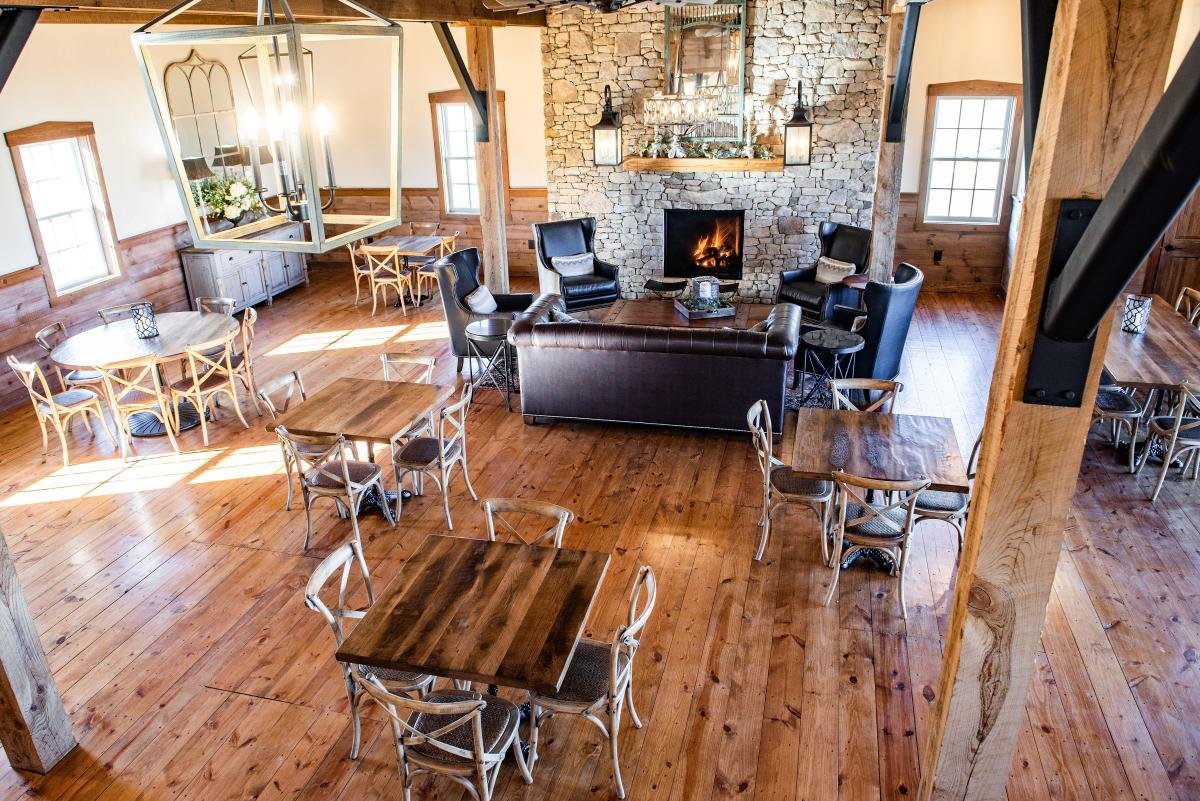
Williams Gap Vineyard in Round Hill, Virginia cultivates estate-grown Bordeaux varietals—Cabernet Sauvignon, Petit Verdot and Merlot—across 30+ acres on a 200-acre family estate. Production focuses on terroir-driven, estate wines with thoughtful cellar handling; notable offerings include an Estate Cabernet Sauvignon, Estate Petit Verdot and a Reserve tasting selection. Guests arrive for panoramic Blue Ridge Mountain vistas, black-fruit and graphite-driven flavors, and a relaxed tasting room atmosphere. With a strong 4.4-star guest rating online and a history of supplying premium grapes to local producers, Williams Gap Vineyard pairs authentic viticultural craft with approachable tastings and scenic outdoor trails for lingering afternoons. < Back Details Williams Gap Vineyard WINERY SUMMARY Williams Gap Vineyard sits on a 200-acre family estate in Round Hill, Loudoun County, offering direct views toward the Blue Ridge Mountains and a clear expression of Virginia terroir. Williams Gap Vineyard produces estate-grown Bordeaux varietals—primarily Cabernet Sauvignon, Petit Verdot and Merlot—across more than 30 acres of planted vines. The first sentence here introduces the vineyard and the region, and within these opening lines visitors learn that the estate emphasizes terroir-driven viticulture, a deliberate production style, and a tasting program designed to showcase varietal character and place. The surrounding ridgelines and daytime breezes create a microclimate that informs the fruit’s tension and structure, while the property’s trails and open slopes invite guests to taste with the landscape as backdrop. Williams Gap Vineyard places its wines and visitor experience squarely in the Loudoun County wine scene, making it an accessible day destination for Virginia wine tasting and countryside escape. The heritage at Williams Gap Vineyard is rooted in family stewardship and more than a decade of grape-growing for the region’s winemakers; for years the estate supplied premium fruit to local wineries before beginning to bottle and sell estate wines locally. The production team—referred to publicly as the vineyard’s cellar and viticulture team—focuses on attentive canopy management, soil care and varietal selection that suit the estate’s soils and climate. While named awards are not listed, Williams Gap Vineyard carries a strong guest reputation, reflected in a 4.4-star rating on review platforms, and it is known in Loudoun County for consistent fruit quality. The vineyard’s philosophy prioritizes quality at the vine, translating estate-grown grapes into approachable wines that speak of place. Sustainability is emphasized through careful vineyard practices and long-term stewardship of the property, a point visitors often note in tasting-room conversations. The product journey at Williams Gap Vineyard is straightforward and transparent: fruit grown on-site is the foundation of their estate offerings. Signature examples include an Estate Cabernet Sauvignon that highlights the darker-fruit spectrum and structured tannins expected of Virginia’s Bordeaux varietals; an Estate Merlot with plush red-fruit notes and a soft mid-palate; and Estate Petit Verdot, which contributes deep color, floral spice and concentrated phenolics. The vineyard also presents a Reserve tasting selection—offered as the reserve tasting flight—which brings forward the estate’s more focused or aged bottlings reserved for that tier. Production details such as exact case quantities and barrel regimens are not publicly specified, but tasting formats indicate a standard tasting ($15) and a reserve tasting ($20), suggesting tiered access to the estate’s more selective wines. Visitors will find descriptions centering on fruit purity, varietal typicity and a sense of place rather than marketing hyperbole. Limited-release or allocated bottles are handled locally and may appear in reserve tastings, with staff advising guests on availability during visits. The tasting room at Williams Gap Vineyard is relaxed, with indoor and outdoor options that make the most of the property’s views. Visitors commonly enjoy tasting flights while seated on the terrace or near the vineyard-facing windows; walking trails through the estate extend the visit into woodland and meadow. The architecture is functional and family-oriented rather than theatrical—an estate hub that accommodates celebrations and private events alongside regular tastings. Tours and private events are available on request, and the site encourages lingering visits for those who want to pair wine sampling with a stroll through vines. Williams Gap Vineyard’s on-site atmosphere reflects its agricultural roots: honest, hospitable and scenic rather than over-engineered, which appeals to travelers seeking authentic vineyard time in Virginia. Best times to visit Williams Gap Vineyard are Thursday through Monday from 12:00 PM to 7:00 PM; the estate is closed Tuesday and Wednesday. Standard tastings run at $15 with a $20 reserve tasting option; walk-ins are common but reservations are advisable for groups or weekend afternoons. Private event inquiries and group visits are managed through the vineyard’s contact channels, and guests should check the official website or email info@williamsgapvineyard.com for the latest scheduling details. For travelers seeking a purposeful Virginia wine experience with estate fruit, panoramic mountain views and direct access to vineyard land, Williams Gap Vineyard offers a measured and hospitable encounter with Loudoun County viticulture. Plan a tasting, ask for the Reserve selection, and let Williams Gap Vineyard’s estate wines give you a clear sense of Blue Ridge-influenced Bordeaux varietals. REQUEST BOOKING WINEMAKER ACCOLADES JOIN THE CLUB FEATURED GUIDES NEARBY WINERIES I'm an image title Describe your image here. I'm an image title Describe your image here. I'm an image title Describe your image here. CONTACT 35521 Sexton Farm Ln, Round Hill, VA 20141, USA https://www.williamsgapvineyard.com/ +15404401933
- Trinchero Napa Valley | | The En Primeur Club
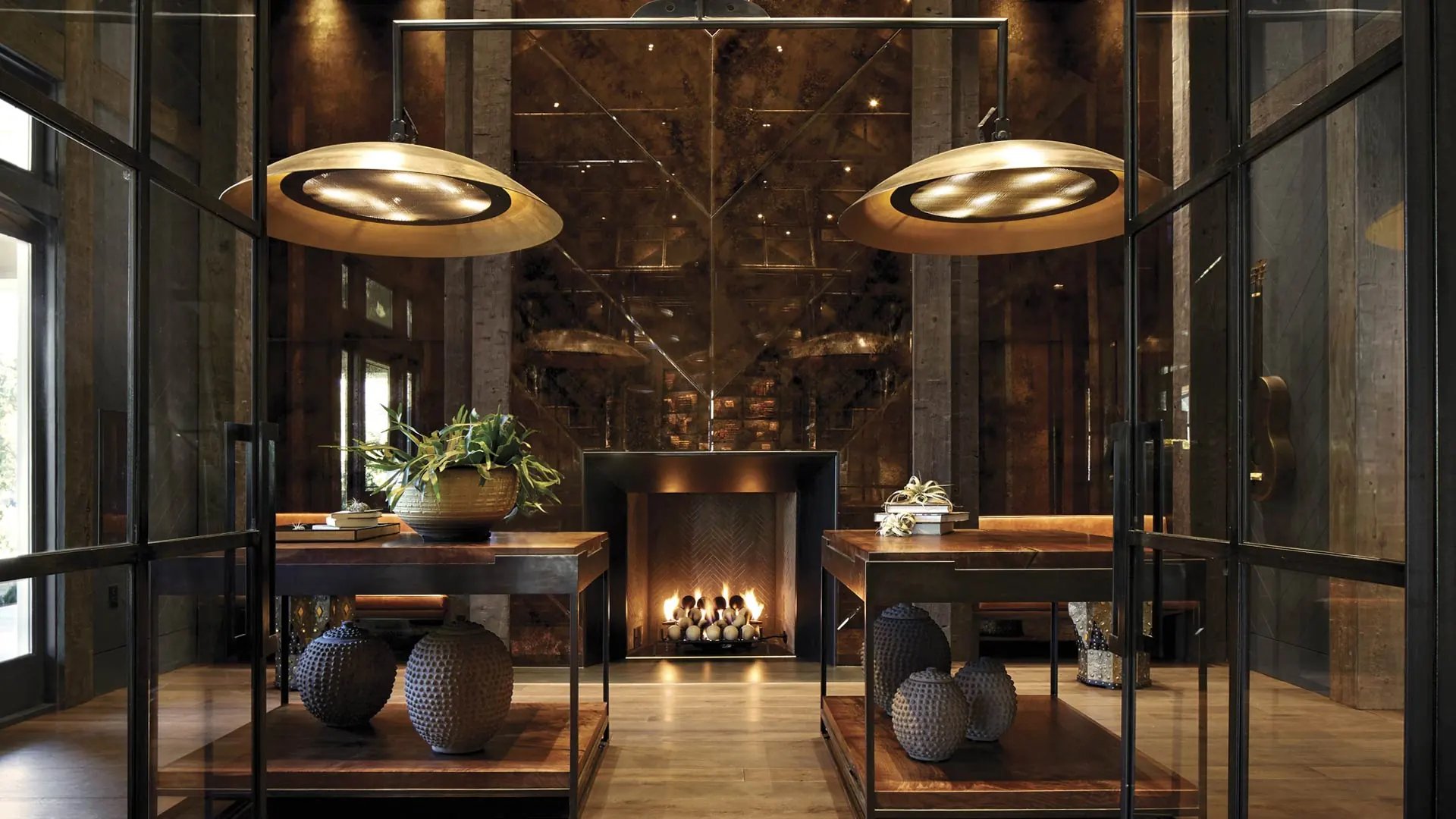
Trinchero Napa Valley in St. Helena, Napa Valley produces small-lot, estate-grown wines that marry Old World heritage with modern Napa power. The portfolio centers on Trinchero Napa Valley Cabernet Sauvignon, Trinchero Napa Valley Zinfandel and limited-release estate blends, driven by winemaker Mario Monticelli’s careful small-batch fermentations and oak regime. Appointment-only tastings spotlight rich, structured Cabernets with dark-fruit, cassis and refined oak, and bold Zinfandels with brambly berry and spice. With family roots dating to 1948 and an estate winery established on the Folie à Deux property in 2007, the operation combines historical provenance, sustainability efforts and sensory-focused hospitality for collectors and serious wine travelers. < Back Details Trinchero Napa Valley WINERY SUMMARY Trinchero Napa Valley sits on Saint Helena Highway in St. Helena, Napa Valley and delivers a tactile Napa experience where warm valley afternoons sharpen into cool, mineral nights that shape Cabernet and Zinfandel. From the first sentence the estate makes its intent clear: this is a family-driven wine producer shaped by more than seven decades of Trinchero history and focused on estate expression. Visitors arrive by appointment to a restored Prohibition-era building that channels sunlight across oak barrels, and they taste wines that reflect vineyard sites in St. Helena, Mt. Veeder and Rutherford. The winery’s small-lot approach and terroir emphasis place Trinchero Napa Valley squarely in conversations among collectors, sommeliers and affluent travelers seeking winery experiences that are both educational and sensory. The story of Trinchero Napa Valley intertwines immigrant beginnings and Californian innovation. Mario Trinchero purchased and repaired a St. Helena winery after arriving to Napa Valley in 1948; the family expanded through the decades and famously entered American wine lore when Bob Trinchero created White Zinfandel in 1972. The dedicated Trinchero Napa Valley estate was established in 2007 on the Folie à Deux property, and since then winemaker Mario Monticelli has led the cellar program with a focus on small-lot fermentation, vineyard selection and a barrel regimen combining French and American oak. The estate emphasizes sustainable stewardship—water conservation, lighter-weight bottles and integrated vineyard practices—while attracting consistent critical acclaim for its Cabernet Sauvignon and single-vineyard Zinfandels. The result is a winery that honors family legacy while producing wines for long-term cellaring and immediate pleasure. The product journey at Trinchero Napa Valley begins in vineyards such as Central Park West and Mary’s Vineyard, where site selection and clonal choices feed small fermenters and parcelized aging. Signature releases include Trinchero Napa Valley Cabernet Sauvignon—produced across multiple St. Helena and Rutherford lots—showing concentrated dark fruit, cassis, graphite notes and structured tannins from patient maceration and 14–22 months in French and American oak. Single-vineyard Zinfandels deliver brambly black-berry, white pepper and a savory spice thread, often from head-trained blocks and limited-yield picks. Limited-release blends and reserve bottlings are crafted from select barrels, hand-sorted fruit and extended élevage that prioritizes balance and age-worthiness; these small-lot releases are allocated and appeal to collectors. For guests, barrel samples and occasional vertical pours illustrate the estate’s maturation arc, while the production team explains harvest timing, whole-cluster decisions and the influence of Mt. Veeder and Rutherford on tannin profile and aromatics. Tasting at Trinchero Napa Valley is an intentionally curated affair: appointment-only flights in a refurbished historic winery space guide visitors through estate expressions, often ending with a private pairing or patio service overlooking vine rows and rolling hills. The architecture preserves original masonry and timber while framing modern cellar equipment and a climate-controlled barrel room used for private barrel tastings. Outdoor picnic areas and landscaped terraces provide an open-air counterpoint for summer visits; winter experiences can include fireside conversations with the cellar team. Private tours available by request cover vineyard blocks, the small-lot fermentation room and barrel-selection practices. While the broader Trinchero family operates large-scale facilities elsewhere, this estate emphasizes artisanal cellar work and a hospitality cadence suited to reservation-based, luxury wine tourism. Best times to visit are spring through early fall when vineyards show vigor and harvest commentary is fresh; many experiences require advance booking and appointments via the official site. Tasting options typically include estate wine flights, private tours, and food pairing programs; some seasonal or allocated releases require membership or concierge booking. Expect personalized service, a knowledgeable tasting host, and the possibility of barrel-room access by prior arrangement. For travelers seeking a measured, terroir-driven Napa experience, Trinchero Napa Valley offers both pedigree and production depth: an estate founded on family history, refined by Mario Monticelli’s stewardship, and anchored in St. Helena’s warm days and cool nights. Reserve an appointment to experience estate Cabernet, single-vineyard Zinfandel and limited-release blends straight from the cellar; Trinchero Napa Valley invites collectors and curious palates to taste, learn, and secure allocated bottles before they disappear into private cellars. REQUEST BOOKING WINEMAKER ACCOLADES JOIN THE CLUB FEATURED GUIDES NEARBY WINERIES 00 Wines 1310 Spirit of the Country Distillery 1404 Manufacturing Distillery 1516 Brewing Company Distillery 2B Hemp Gin Distillery 50 West Vineyards 5020 Koudelka-Sturm Distillery A to Z Wineworks A. Batch Distillery A. Margaine A. Rafanelli Winery ANCAP Alcoholes CONTACT 3070 N. St. Helena Hwy, St. Helena, CA 94574, USA https://www.trincheronapavalley.com/ +17079631160
- Destilería Ánima | | The En Primeur Club
Destilería Ánima in Córdoba channels Andalusian anise tradition into refined small-batch spirits. Production centers on classic anís, a barrel-aged anís reserva and a limited single-cask expression—each made with regional botanicals and traditional distillation methods. The distillery emphasizes hands-on craft, slow distillation and sensory-led tastings that reveal bright anise top notes, warming licorice mid-palate and a honeyed, oak-smooth finish. Though specific awards and visitor details are not available in provided sources, Destilería Ánima offers an evocative, terroir-driven perspective on Córdoba’s historic anise culture, designed for travelers seeking authentic, artisanal spirits and immersive tasting experiences. < Back Details Destilería Ánima WINERY SUMMARY Destilería Ánima sits in Córdoba and presents a clear, sensory-first invitation to explore Andalusian anise heritage through spirits production. In the cool air of the still house you can imagine copper and steam shaping clear distillates; the first sip brings forward green-anise brightness, Mediterranean botanicals and a soft mineral backbone that speaks to Córdoba’s climate and provenance. The distillery’s production style draws on long-established regional techniques—small-batch distillation and careful maceration of aniseed—so visitors understand how each expression translates local ingredients into concentrated flavor. Destilería Ánima places the spirits themselves at the center of the experience, and the tasting flight reveals a narrative from unaged clarity to oak-aged warmth that rewards repeat visits. The heritage and craft at Destilería Ánima are rooted in Córdoba’s wider history of anise production. While specific founder or master distiller names are not documented in the provided sources, the distillery follows the region’s production philosophy: respect for traditional recipes, attention to still-room practice, and a preference for small-lot runs that prioritize quality over scale. The production team operates with an artisan’s discipline—measured macerations, precise cuts during distillation and selective barrel finishing when applied. Although no formal awards are listed in source material, the distillery’s focus on classic anise expressions and barrel-aged releases positions it within Córdoba’s respected class of spirits producers. Destilería Ánima emphasizes provenance and technique, aligning its output with local craft traditions rather than mass-market profiles. The product journey at Destilería Ánima moves from clear, anise-driven expressions to deeper, aged bottlings. Notable releases include a traditional anís spirit that foregrounds pure anise oil character and light botanical lift; a barrel-aged anís reserva finished in local oak that develops honeyed caramel and gentle tannic structure; and a limited single-cask expression offered in very small runs for collectors and tasting-room visitors. Production details follow regional practice: careful maceration of aniseed and complementary botanicals, slow distillation cycles to capture delicate volatiles, and judicious proofing to preserve aromatics. Tasting notes progress from bright fennel and citrus peel on the nose to licorice and toasted spice mid-palate, with the reserva and single-cask expressions adding baked apple, vanilla and soft oak tannins through 6–24 months of barrel contact in a small rickhouse or barrel room environment. Where allocation applies, the small-batch nature means some releases are limited and reserved for visitors or direct buyers. Visitor experience at Destilería Ánima aims to educate as much as it delights. Tours typically trace the path from raw botanical selection and mash to the still house and, if available, a barrel room where aged expressions rest. Tastings are sensory-forward: flights that compare unaged and aged anís, guided nosing exercises and an explanation of the distillation cuts. The tasting room atmosphere leans toward intimate and tactile—timber, stone floors and tasting counters that encourage close conversation with the production team. Architectural details in the region often include a compact still house and adjoining tasting space; at Destilería Ánima, the experience centers on proximity to the craft rather than a large visitor center, giving guests direct sightlines to equipment and casks when tours are available. Best times to visit Córdoba and Destilería Ánima are spring and autumn when temperatures are mild and tours are most comfortable; advance booking is recommended because many Córdoba distilleries run limited-capacity, guided tastings. Tour and tasting options typically range from short comparative flights to longer sessions that include barrel or cask-strength samples and insights into local production techniques. Check availability in advance and ask about limited single-cask releases if you are collecting or gifting. For travelers pursuing authentic Andalusian spirit experiences, Destilería Ánima offers a focused, terroir-minded look at Córdoba’s anise tradition. Book a tasting to experience the contrast between bright anís clarity and oak-aged complexity, and let the production team guide you through an intimate, informative session. Destilería Ánima rewards curious palates with sense-rich narratives and small-batch expressions that reflect Córdoba’s distinctive craft. REQUEST BOOKING WINEMAKER ACCOLADES JOIN THE CLUB FEATURED GUIDES NEARBY WINERIES I'm an image title Describe your image here. I'm an image title Describe your image here. I'm an image title Describe your image here. CONTACT
- Lucas & Lewellen Vineyards | | The En Primeur Club
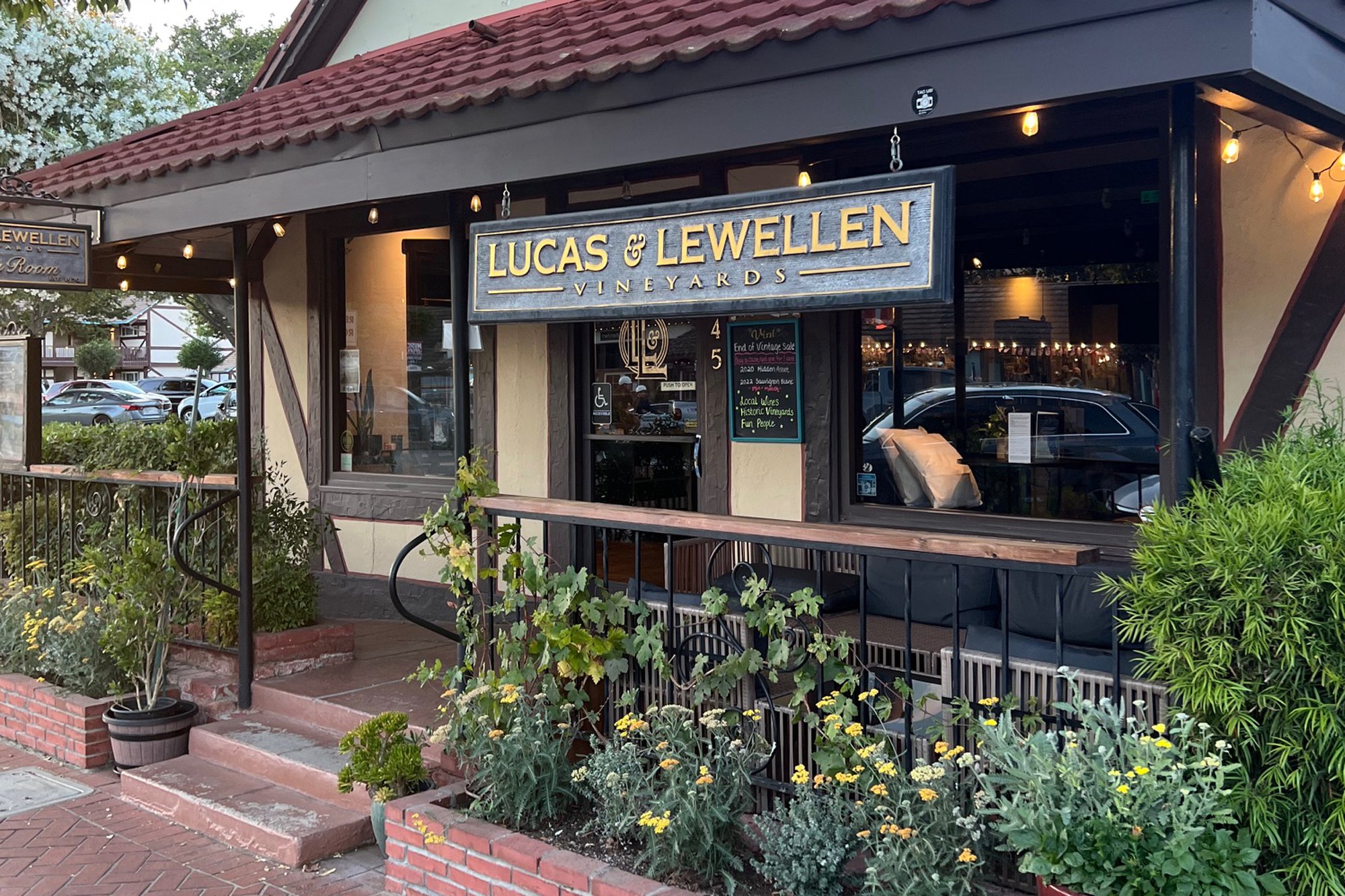
Lucas & Lewellen Vineyards in Solvang, California crafts estate-driven wines from 380 acres across three Santa Barbara County AVAs. Production is estate-focused yet collaborative: the winery grows 24 varietals and sells 60% of premium fruit while reserving 25% for its own label. Signature offerings include Santa Maria Valley Pinot Noir, a taut Chardonnay, and the Rosé of Pinot Noir 2016. Under winemaker Megan McGrath, the cellar emphasizes site expression, measured oak aging, and small-batch, single‑vineyard releases. Visitors taste layered fruit, saline coastal acidity, and finely integrated oak in a warm, Tuscan-themed tasting room experience that balances family hospitality with expert viticulture and a respected regional reputation. < Back Details Lucas & Lewellen Vineyards WINERY SUMMARY Lucas & Lewellen Vineyards sits in downtown Solvang yet sources character from 380 estate acres spread through Santa Maria Valley, Los Alamos Valley, and Santa Ynez Valley AVAs. From the first glass you feel coastal influence: cool morning fog on Santa Maria Pinot Noir, sun-warmed tannins from Santa Ynez Cabernet, and the savory herbal lift of Los Alamos Rhône-style parcels. The tasting room pours more than twenty wines that map these microclimates—Pinot Noir, Chardonnay, Cabernet—and a notable Rosé of Pinot Noir (2016) that carries berry and white-flower notes. Located at 1645 Copenhagen Drive with production facilities in Buellton, Lucas & Lewellen Vineyards ties downtown hospitality to vineyard provenance, inviting visitors to understand where each sip begins in the vineyard. The winery’s story starts with Louis Lucas and Royce Lewellen, partners who formalized their estate in 1996 but whose collaboration dates to 1975 through the Santa Maria Wine & Food Society. That agricultural lineage—vines planted as early as 1974—shapes a production philosophy rooted in meticulous vineyard management and terroir clarity. Megan McGrath, the winemaker since 2006 with training in soil science from Cal Poly and UC Davis, leads the cellar team. Under her stewardship the program emphasizes selective fermentation protocols, a disciplined barrel regimen, and single-vineyard bottlings that showcase AVA differences. Lucas & Lewellen Vineyards is family-owned and maintains a dual identity as both a significant grape supplier—selling roughly 60% of premium fruit to other producers—and a focused wine producer reserving about 25% for labeled releases. The product journey at Lucas & Lewellen is a study in place. Santa Maria Valley Pinot Noir and Chardonnay are picked for cool-climate acidity and layered aromatics, often fermented in small lots and matured in a blend of neutral and French oak to preserve brightness. Los Alamos Valley parcels yield versatile varietals and Rhône-style blends that emphasize savory spice and mid-palate weight; these wines reflect the valley’s moderate climate and heritage vines. Santa Ynez Valley blocks supply Cabernet Sauvignon, Syrah, and Bordeaux varieties—warmth and structure that respond to longer hang times and concentrated extraction. Notable releases include single-vineyard Pinot Noir bottlings and limited-run reserve Cabernet lots; the estate also offers small-production Rosé from 2016 with peach and floral notes. The cellar program in Buellton allows full control from fermentation to bottling, and specialized barrel work adds texture without masking site-specific minerality. While specific scores and medals vary by vintage, Lucas & Lewellen’s portfolio has drawn consistent regional praise for balance and varietal fidelity. Visiting Lucas & Lewellen Vineyards blends approachable hospitality with focused tastings. Two tasting rooms in Solvang sit one block apart: the main Lucas & Lewellen Tasting Room and the Italian-styled Toccata Tasting Room, which evokes an Old World marketplace and serves as a hands-on space for food pairings and gifts. Both rooms are family- and pet-friendly and often feature hosts who explain vineyard origin, varietal choices, and barrel influences. The Buellton production site houses the barrel room and fermentation suites; while full production tours should be arranged in advance, downtown tastings are walk-in friendly during posted hours. Wine club members receive allocations of limited releases and single-vineyard bottlings, and the estate occasionally runs barrel tastings and educational seminars focused on blending and harvest practices. Plan visits between the harvest lull and spring—late September through May offers steady tasting-room hours, while harvest (August–October) can be busier and benefits from reservations. Tasting rooms operate daily from 10:00 AM to 4:30 PM; private experiences and group tastings should be booked ahead, especially on weekends and during Solvang’s peak tourist seasons. Walk-in tastings are common, but allocated, limited-production pours require appointment or wine-club access. For travelers seeking terroir-driven wines and candid, vineyard-rooted storytelling, Lucas & Lewellen Vineyards delivers a clear sense of place from vineyard row to tasting glass. Reserve a tasting or club allocation to explore their Santa Maria Valley Pinot Noir, Los Alamos Rhône blends, and Santa Ynez Cabernet expressions—each bottle reflects decades of viticulture, a modern cellar approach under Megan McGrath, and the family commitment that defines Lucas & Lewellen Vineyards. REQUEST BOOKING WINEMAKER ACCOLADES JOIN THE CLUB FEATURED GUIDES NEARBY WINERIES I'm an image title Describe your image here. I'm an image title Describe your image here. I'm an image title Describe your image here. CONTACT 1645 Copenhagen Dr, Solvang, CA 93463, USA https://www.llwine.com +18056869336
- Montauk Distilling Co. | | The En Primeur Club
Montauk Distilling Co. in Riverhead, NY transforms New York-grown grains and botanicals into vivid small-batch spirits. The distillery produces Sunburn Rum, Black Sail Aged Rum and 71st Regiment Gin alongside Modico Vodka, balancing coastal salt-brightness with barrel-led warmth. Housed in the 1931 Riverhead Fire Department building at 24 East 2nd Street, the tasting room pairs nautical design with live music and cocktail classes. Guests taste clean vodka, botanical gin and depth-forward aged rum while learning about local sourcing and their barrel-aging program. Reservations are recommended for private tours, blending sessions and cocktail workshops that turn a spirits tasting into an experiential Long Island escape. < Back Details Montauk Distilling Co. WINERY SUMMARY Montauk Distilling Co. sits at 24 East 2nd Street in Riverhead, NY, where the cadence of the North Fork meets a working still house and a convivial tasting room. Step into the former 1931 Riverhead Fire Department building and you immediately feel the tension between industrial craft and coastal ease: copper gleams, oak barrels line a barrel-aging area, and cocktails arrive with salt air memories. For travelers searching for a Long Island distillery tour that combines provenance with hospitality, Montauk Distilling Co. offers a distilled sense of place—New York-grown grains, locally foraged botanicals and spirits that read as maritime and muscular at once. The production floor and tasting bar are designed for conversation: guided flights introduce Sunburn Rum, Black Sail Aged Rum and 71st Regiment Gin alongside Modico Vodka and a recently developed whiskey bourbon expression. Founded in 2013 by Leucio Iacobelli, Montauk Distilling Co. grew from summer memories in Montauk into a family-run spirits producer rooted in Riverhead. Iacobelli’s Italian fermentation heritage informs the distillery’s production philosophy: respect raw material, let technique enhance flavor, and keep batches small enough to experiment. The distillery emphasizes New York sourcing—grains, botanicals and adjuncts come from regional farms—supporting local agriculture and trimming transport emissions. While specific industry medals are not listed, the distillery has established respected accounts across New York and Florida and earned favorable press for revitalizing the Riverhead beverage scene. The team’s pragmatic commitment to sustainability and community programming—live music nights, chef collaborations and educational classes—sets Montauk Distilling Co. apart from large-scale producers. The product journey at Montauk Distilling Co. is deliberate and tactile. Sunburn Rum is their flagship expression, approachable and smooth, distilled to preserve cane character and finished to accent bright citrus and toasted sugar notes. Black Sail Aged Rum spends time in American oak to develop deeper caramel, spice and molasses layers; tasting reveals toasted vanilla, dried fruit and tobacco whispering behind brighter top notes. 71st Regiment Gin is a botanical-forward expression that marries juniper with locally sourced citrus peel and coastal botanicals; the mouthfeel is crisp, the finish dry and aromatic. Modico Vodka exemplifies a clean, neutral canvas—polished on the palate and engineered for the Modico Collins cocktail—while their newly introduced whiskey bourbon explores local mash bills and short-term barrel profiles to emphasize wood spice and honeyed grain. Barrel-aging programs and occasional single-barrel or limited-release expressions appear seasonally; these allocated runs are best sampled on private tours or special release events where the production team often leads vertical tastings and blending demonstrations. Visitors find the tasting room relaxed and social rather than formal. The 3,000-square-foot facility retains firehouse bones—arched doors, brickwork and high ceilings—reimagined with maritime accents and communal tables. Tastings run as guided spirits flights or signature cocktails at the bar; private tours and cocktail classes are offered by reservation, and the distillery frequently hosts seasonal pop-ups and live music evenings that broaden the visitor experience. Montauk Distilling Co. shares space and community with North Fork Brewing Co., creating a convivial beverage hub for the region. While the distillery keeps production transparent during tours, expect an intimate group size—reservations help secure a spot for blending sessions, barrel tastings or private events. Plan visits for late afternoons and early evenings on weekends when live music and cocktail classes add energy, or book weekday private tours for quieter, production-focused access. Reservations are recommended for tastings, private events and cocktail workshops; the distillery accepts bookings for groups and special experiences and provides purchases of bottles on-site and through select retailers in New York and Florida. Montauk Distilling Co. invites curious travelers and spirits enthusiasts to trade pass-through stops for an immersive tasting: taste Sunburn Rum’s coastal brightness, experience the oak depth of Black Sail Aged Rum, and learn hands-on in a 1931 firehouse turned modern distillery. Reserve a tour, join a cocktail class, and discover how Montauk Distilling Co. translates Long Island provenance into spirits that tell the story of place. REQUEST BOOKING WINEMAKER ACCOLADES JOIN THE CLUB FEATURED GUIDES NEARBY WINERIES 00 Wines 1310 Spirit of the Country Distillery 1404 Manufacturing Distillery 1516 Brewing Company Distillery 2B Hemp Gin Distillery 50 West Vineyards 5020 Koudelka-Sturm Distillery A to Z Wineworks A. Batch Distillery A. Margaine A. Rafanelli Winery ANCAP Alcoholes CONTACT 24 E 2nd St, Riverhead, NY 11901, United States https://www.montaukdistillingco.com +16317276326
- Opolo Vineyards | | The En Primeur Club
Opolo Vineyards in Paso Robles, California produces expressive, terroir-driven wines from nearly 300 acres across the Willow Creek District. Production emphasizes estate-grown Mountain Zinfandel and structured Cabernet Sauvignon—most notably the 2020 Cabernet Sauvignon aged 16 months with 40% new French oak—and a crisp Albariño and approachable Rosé. The family-owned estate, founded in 1999, routinely earns 90+ scores and pairs its cellar-driven precision with warm hospitality. Expect limestone-inflected minerality, sun-ripened berry fruit, graphite and savory spice, and curated food pairings in a tasting room open daily for immersive Paso Robles wine tasting and estate tours. < Back Details Opolo Vineyards WINERY SUMMARY Opolo Vineyards in Paso Robles sits on the rising terraces of the Willow Creek District where limestone-rich soils and cooling nighttime air give the wines tensile structure and vibrant acidity. Visitors arriving at 7110 Vineyard Drive step from sunlit oak-shaded lanes into a working estate whose nearly 300 acres of vineyards span east and west slopes of Paso Robles AVA; the place is built around a clear sense of place, with Mountain Zinfandel and Cabernet Sauvignon expressing granular tannin, black fruit, and coastal freshness. Opolo Vineyards opens its tasting room daily 10 a.m.–5 p.m., inviting both serious collectors and first-time visitors to experience Paso Robles wine tasting anchored in vineyard provenance and cellar craft. Early-sourced fruit and hands-on vineyard management create wines that read as both approachable and ageworthy, ideal for visitors seeking educational tastings and sensory discovery. Founded in 1999 by Rick Quinn and David Nichols, Opolo Vineyards developed from home winemaking into a multi-generational family estate focused on site expression and thoughtful winemaking. Winemaker James Schreiner leads the cellar with a philosophy that emphasizes varietal clarity, measured oak use, and long, careful aging where appropriate; the 2020 Cabernet Sauvignon, for example, was matured 16 months with 40% new French oak to achieve a balance of power and polish. The estate practices attentive vineyard farming across a range of microclimates, and while specific organic certifications are not documented, Opolo integrates environmentally conscious techniques—including hand-harvested olives and on-site oil production—into its land stewardship. Opolo Vineyards has built a strong regional reputation: its wines routinely score 90+ points in competitive journals, a signal of consistent quality that wine collectors and journalists recognize. Family ownership and community engagement remain central: the estate mixes convivial hospitality with cellar-driven tasting formats that appeal to collectors and tasting-room guests alike. The product journey at Opolo Vineyards runs from hillside blocks to cellar maturation and limited-release bottlings. Signature offerings include Mountain Zinfandel—grown on Willow Creek limestone terraces, harvested for concentrated varietal fruit and savory spice—and the 2020 Cabernet Sauvignon, which presents black cherry, black olive, leather, and cinnamon flavors with a polished, long finish after 16 months in 40% new French oak. The portfolio also features a crisp Albariño with bright citrus and saline notes, a balanced Chardonnay crafted for freshness and textural length, and a Rosé that emphasizes strawberry, floral lift, and brisk acidity. Small-batch reserve wines and occasional limited releases appear as allocated offerings, ideal for club members and advanced collectors seeking depth and rarity. Production spans many varietals—Merlot, Sangiovese, Petite Sirah among them—leveraging Paso Robles’ diurnal range to achieve phenolic ripeness while preserving acidity; fermentation and aging regimes are tailored to each wine to preserve fruit and underline site identity. Opolo’s vineyard-first approach means vintage variation is embraced, with blending and oak strategies adapted each year by the production team under Schreiner’s guidance to present balanced, terroir-driven wines. The visitor experience folds vineyard immersion with cellar education and comfortable hospitality. Tasting flights and food pairings are offered daily in a welcoming tasting room; private and estate tours guide guests through vineyard blocks, explaining terroir differences across the nearly 300 acres. Overnight stays at the Inn at Opolo extend the visit into a full wine country itinerary, and an affiliated Willow Creek Distillery on the property provides spirits sampling that complements the wine program. Architecturally the property reads as practical estate vernacular—working cellar spaces, barrel rooms, and open-air tasting terraces—designed to put the vineyard and view first. Expect staff-led tastings that include vertical or reserve samples when available, educational conversations about fermentation and barrel selection, and opportunities to purchase limited releases directly from the cellar. Best times to visit Opolo Vineyards are late spring through harvest for vineyard color and fall crush activity; the tasting room operates daily from 10 a.m. to 5 p.m. Reservations are recommended for private tours, estate tastings, and Inn at Opolo stays, especially on weekends and during harvest when experiences can be limited. Visitors often ask: How long is a tasting? Plan on 45–90 minutes for guided flights and pairings; are private tours available? Yes—bookings can be arranged in advance for groups and collectors seeking cellar access. Whether you are assembling a Paso Robles tasting itinerary or hunting for a limestone-driven Cabernet or bold Mountain Zinfandel, Opolo Vineyards delivers a considered estate experience that highlights vineyard provenance, careful cellar work, and generational hospitality. Reserve a tasting or an Inn at Opolo stay to sample estate-grown wines, learn from the team, and take home allocated releases from Opolo Vineyards. REQUEST BOOKING WINEMAKER ACCOLADES JOIN THE CLUB FEATURED GUIDES NEARBY WINERIES 00 Wines 1310 Spirit of the Country Distillery 1404 Manufacturing Distillery 1516 Brewing Company Distillery 2B Hemp Gin Distillery 50 West Vineyards 5020 Koudelka-Sturm Distillery A to Z Wineworks A. Batch Distillery A. Margaine A. Rafanelli Winery ANCAP Alcoholes CONTACT 7110 Vineyard Dr, Paso Robles, CA 93446, USA https://www.opolo.com +18052389593
- New Riff Distilling | | The En Primeur Club
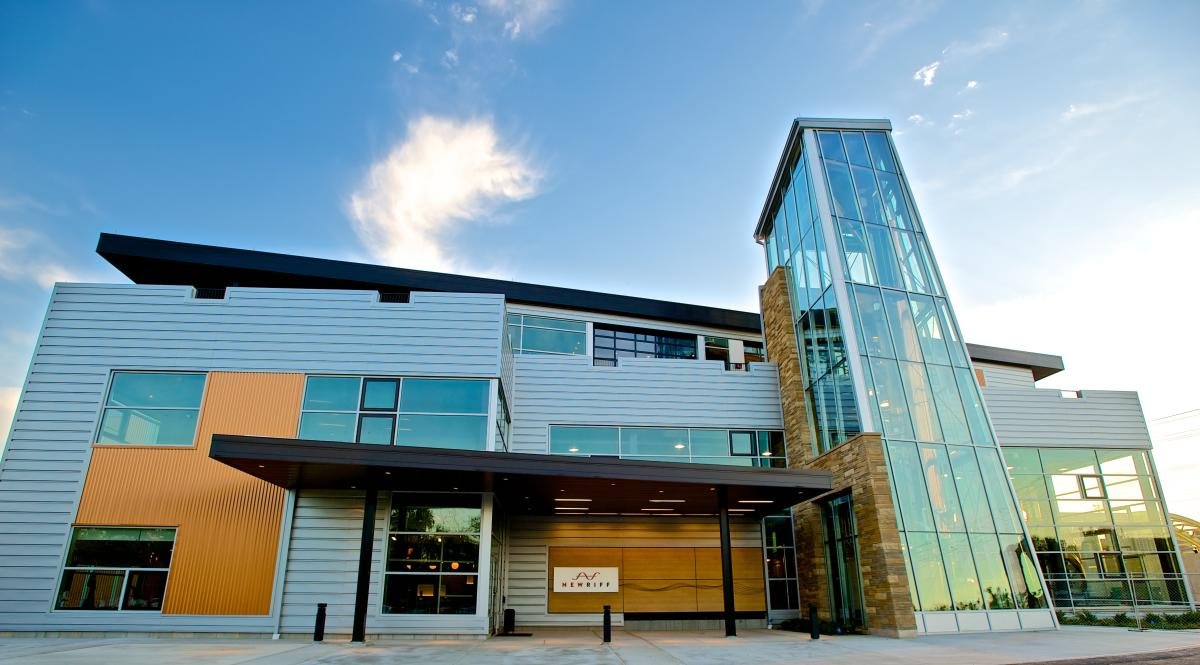
New Riff Distilling in Newport, Northern Kentucky, rethinks Kentucky bourbon with high-rye mash bills, peated backset experiments and sherry-cask finishes. Signature spirits include New Riff Bottled‑in‑Bond Bourbon (4+ years), New Riff Single Barrel Rye and the Backsetter Peated Backset Rye. The distillery draws mineral-rich water from the Ohio River Alluvial Aquifer, uses a three-story modified copper column still and a copper pot still, and earned a Double Gold at the 2019 San Francisco World Spirits Competition. Expect savory spice, toasted oak, warm caramel and smoky malt in each glass, served in a craft-forward tasting format near Cincinnati. < Back Details New Riff Distilling WINERY SUMMARY New Riff Distilling sits on Columbia Street in Newport, Kentucky, where the lift of Ohio River humidity and the mineral signature of the Ohio River Alluvial Aquifer feed a distinct spirit profile. From the first step across the threshold you encounter a production-first ethos: precise distillation on a modified three-story copper column still, malt-forward runs on a copper pot still, and a barrel program that emphasizes new American white oak and selective finishing. New Riff Distilling positions itself as a modern voice in Kentucky whiskey, and visitors on a Northern Kentucky distillery tour will immediately sense the rigorous, craft-directed approach that shapes every expression. Founders Ken Lewis and Jay Erisman launched New Riff Distilling in 2014 with decades of beverage experience and a purpose: to make high-rye bourbons and inventive rye and malt whiskeys that balance regional tradition with technical control. Ken Lewis’s retail and distribution background helped the brand mature quickly while the distillery aged its own stocks. That strategy included releasing sourced whiskey under the O.K.I. label early on, a transparent move that allowed New Riff to establish presence while their rickhouse-aged spirits matured. The production team intentionally follows Bottled‑in‑Bond standards for core releases, aging certain bourbons a minimum of four years, and the brand’s Bottled‑in‑Bond Bourbon earned a Double Gold at the 2019 San Francisco World Spirits Competition—hard evidence of their quality-first trajectory. The product journey at New Riff Distilling moves from mash bill to barrel with visible, technical choices. High‑rye bourbon is the cornerstone: full-bodied, savory, and pepper-laced, the New Riff Bottled‑in‑Bond Bourbon leans on a spicy rye percentage, slow aging in new oak, and non–chill filtration to retain texture and oils. Single Barrel Rye selections highlight bold, spicy grain character and the range achieved by selective barrel picks. The Backsetter Peated Backset Rye is an experimental study in reclaimed distillation residues—peat influence folded into rye backset for a smoky, savory profile uncommon in Kentucky. Malt-forward releases such as the 6 Year Sherry Cask Finished Malted Rye show the team’s willingness to finish in Oloroso-style casks to extract nutty dried-fruit complexity; that expression demonstrates malt influence, oxidative depth and six years of patient maturation. Limited releases and small-batch allocations appear periodically, and the distillery’s portfolio includes seasonal cask finishes and single-barrel allocations aimed at collectors and cocktail professionals. The still house and barrel program are the working heart of the visitor experience. New Riff Distilling’s production floor puts the modified column still and pot still in plain view for many tours, and guests on scheduled visits can see mash preparation, spirit cuts and barrel staging in progress. The barrel house and rickhouse manage a variety of aging trajectories, from Bottled‑in‑Bond lots to sherry-cask finished malts; these spaces create warm cedar and charred oak aromas that carry into the tasting room. The tasting area emphasizes craft education—flights that contrast high-rye and peated backset expressions, guided pours explaining mash bills and finishing, and staff-led discussions about the distillation choices that drive flavor. While detailed tasting-room capacity and fixed schedules vary, the distillery’s urban location makes it an easy addition to a broader Kentucky Bourbon Trail Craft Tour or a daytrip from Cincinnati. Plan visits for late spring through early fall when regional travel peaks and special releases are more likely to be on hand; many guests find weekday morning tours offer the most hands-on production viewing. Reservation requirements are common: tours and tastings are often appointment-based or limited in capacity, so book ahead to secure barrel tastings, single-barrel flights or allocated-release opportunities. Check New Riff Distilling’s official website for the latest availability and ticketing options before travel. For enthusiasts seeking modern expressions of Kentucky heritage, New Riff Distilling offers both technical rigor and sensory reward. Sample the Bottled‑in‑Bond Bourbon that won a Double Gold, explore rye that experiments with peat-inflected backset, and pursue limited sherry-cask malt releases. New Riff Distilling invites collectors and curious travelers alike to taste its evolving story and to reserve a tasting or tour to experience the production choices that define its spirits. REQUEST BOOKING WINEMAKER ACCOLADES JOIN THE CLUB FEATURED GUIDES NEARBY WINERIES I'm an image title Describe your image here. I'm an image title Describe your image here. I'm an image title Describe your image here. CONTACT 24 Distillery Way, Newport, 41071 newriffdistilling.com (859) 261-7433
- Dorf Destillerie Stanz | | The En Primeur Club
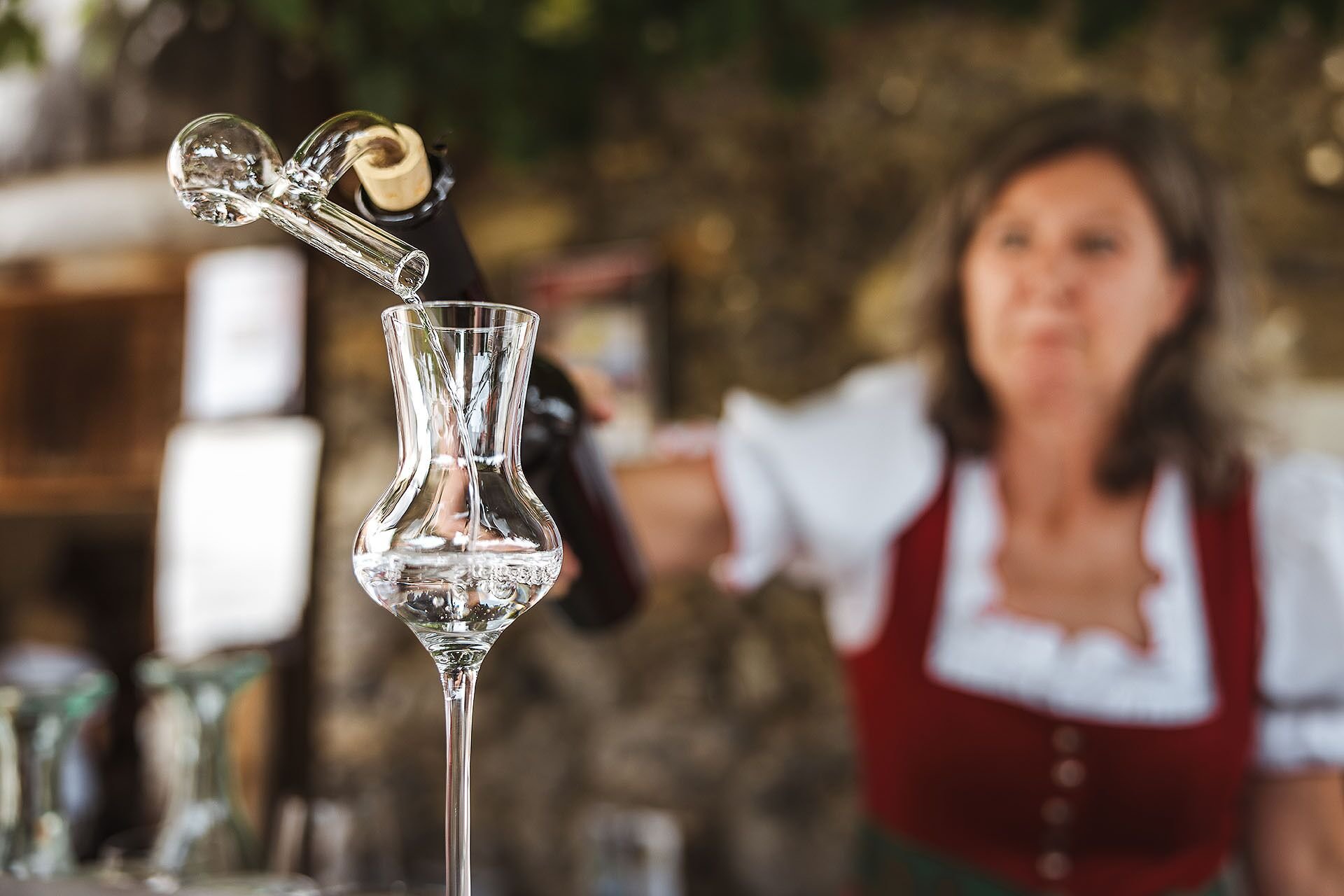
Dorf Destillerie Stanz in Stanz bei Landeck, Tirol produces small-batch, fruit-forward spirits rooted in alpine terroir. Production centers on Stanzer Zwetschke fruit brandy, a barrel-aged plum expression and seasonal single-vintage eau-de-vie that showcase high-altitude sugar concentration and bright aromatics. The distillery operates within Austria’s first official Brennereidorf, a community celebrated at competitions such as Destillata and the World Spirits Award. Tasting here emphasizes pure fruit character — ripe plum, orchard spice, mineral lift and warm oak from judicious rickhouse aging — delivered in intimate guided flights that pair regional narratives with sensory clarity. < Back Details Dorf Destillerie Stanz WINERY SUMMARY Dorf Destillerie Stanz opens with a precise sense of place: high plateaus above the Inn valley, cold nights and long sunlit days that concentrate sugars in the Stanzer Zwetschke plum. Dorf Destillerie Stanz sits within Stanz bei Landeck, Tirol, a village designated Austria’s first Brennereidorf in 2005 and home to 53 active distilleries. Visitors arriving for a distillery tour quickly understand how altitude and local soils shape every expression; the air smells of dried orchard grass, fresh fruit and the metallic gleam of copper in the still house. The production team emphasizes artisanal distillation, and early impressions from a tasting flight—stone-fruit perfume, satin texture, precise alcohol balance—linger long after the visit. How do you visit? Guided distillery tours in Brennereidorf Stanz are available seasonally and are recommended to reserve in advance. The production team at Dorf Destillerie Stanz follows a craft-focused philosophy that privileges fruit integrity over heavy oak or high proof. While a named master distiller is not listed in public sources, the distillery is part of a tightly knit community whose members have won medals at Tiroler Landesverkostung, Destillata, Golden Stamperl Wieselburg and the World Spirits Award. Distillation typically uses copper pot stills to retain volatile aromatics; fractional cuts are chosen to emphasize floral and fruit esters rather than fusel weight. The team practices close orchard partnerships across high-elevation plots, selecting only fully ripe Stanzer Zwetschke plums and other local fruit to preserve terroir-driven character. Awards and regional recognition reflect a consistent standard: clarity of fruit, balanced maturation and technical precision on the palate. Visitors tasting the portfolio at Dorf Destillerie Stanz encounter a clear product journey from fresh fruit to quietly aged expressions. Core offerings center on Stanzer Zwetschke fruit brandy: unaged eau-de-vie captures raw plum perfume—white blossom, green almond, saline minerality—while barrel-aged plum expressions gain notes of tobacco, dried cherry and brown spice after months or years in small oak casks. Seasonal single-vintage eau-de-vie showcases the year’s microclimate; the production team sometimes holds limited bottlings from particularly expressive harvests. Beyond plum, small-batch alpine apple and Williams pear brandies are distilled to maintain varietal honesty, often finished at modest proof for aromatic clarity. The distillery’s rickhouse program and occasional cask-finish releases are handled with restraint: barrels are used to round texture and add tertiary notes without masking fruit. Limited-release allocations circulate locally and at regional festivals such as the annual Stanz brennt celebration each September, where visitors can taste rare casks and speak directly with producers. The visitor experience at Dorf Destillerie Stanz is intimate and hands-on. Tours typically move from orchard to still house to rickhouse, offering clear explanations of mash management, fermentation and distillation cuts, then culminating in a seated tasting of flighted expressions. The tasting environment is rustic and authentic, reflecting village scale rather than modernist showroom design; copper, timber and natural stone set a tactile stage for the spirits. Architecture is functional—compact still houses and small barrel stores—yet the communal layout of the Brennereidorf allows for cluster tastings and comparative flights across neighboring producers. Private tastings and group sessions are possible through the Brennereidorf umbrella and often include guided pairing notes that highlight food-friendly serving suggestions. Best times to visit Dorf Destillerie Stanz are late summer through early autumn, notably during the Stanz brennt festival in September, when many distillers open their doors and limited releases are showcased. Tours and tastings are typically guided and reservations are recommended; availability varies with harvest and festival schedules. Most visitors plan a half-day to fully experience production, tastings and local conversation. Dorf Destillerie Stanz delivers an unembellished portrait of alpine fruit brandy: distinctive Stanzer Zwetschke terroir, copper-pot distillation, careful barrel aging and community-driven excellence. Book a guided tour in Stanz bei Landeck, sample small-batch fruit brandies, and witness why this Brennereidorf repeatedly earns regional and international accolades. REQUEST BOOKING WINEMAKER ACCOLADES JOIN THE CLUB FEATURED GUIDES NEARBY WINERIES 00 Wines 1310 Spirit of the Country Distillery 1404 Manufacturing Distillery 1516 Brewing Company Distillery 2B Hemp Gin Distillery 50 West Vineyards 5020 Koudelka-Sturm Distillery A to Z Wineworks A. Batch Distillery A. Margaine A. Rafanelli Winery ANCAP Alcoholes CONTACT Stanz 171, 6500 Stanz bei Landeck, Austria https://www.brennereidorf.at +436765350053
- Jack Daniel's | | The En Primeur Club
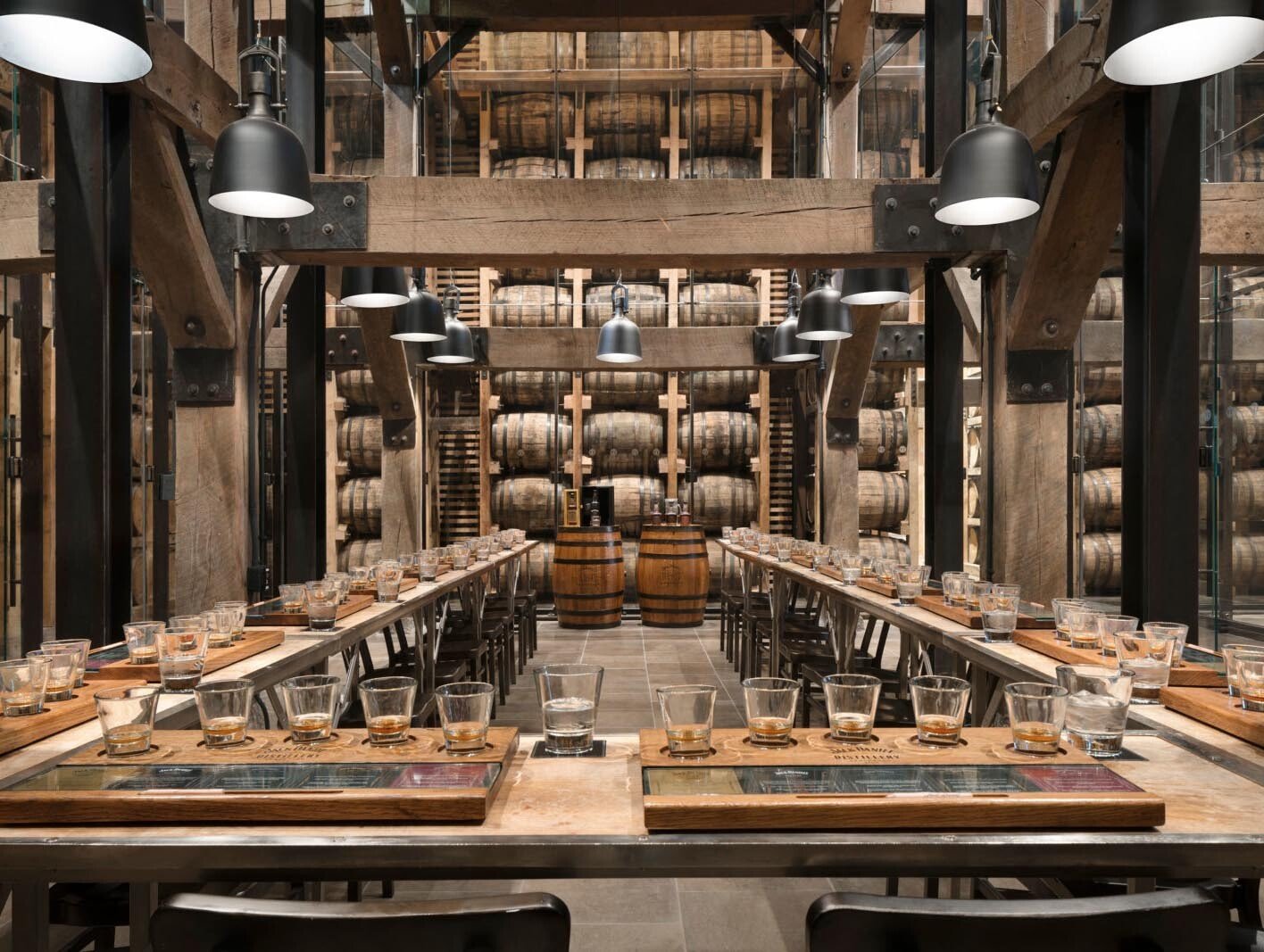
Jack Daniel's in Lynchburg, Tennessee is a historic Tennessee distillery where charcoal-mellowed Tennessee whiskey is crafted using Cave Spring Hollow’s limestone-filtered water. Signature expressions include Old No. 7, Gentleman Jack and Single Barrel Select, each showing the distillery’s iron-free water and Lincoln County Process. Visitors taste caramel, toasted oak, maple and warm spice while learning about founder Jasper “Jack” Daniel (est. 1866) and the legacy of Nathan “Nearest” Green. With a Gold Medal from the 1904 St. Louis World’s Fair and continuous global recognition, a visit delivers sensory depth, provenance and a direct link to American spirits history. < Back Details Jack Daniel's WINERY SUMMARY Jack Daniel's in Lynchburg, Tennessee opens like a chapter of American industry and flavor; step into the distillery and you feel the pull of Cave Spring Hollow’s iron-free, limestone-filtered water and the echo of 19th-century cooperage. As a Tennessee distillery founded in 1866 by Jasper Newton “Jack” Daniel, Jack Daniel's anchors its profile in the Lincoln County Process—charcoal mellowing before barrel aging—which is responsible for the soft, approachable texture that defines Old No. 7. In Lynchburg, Moore County’s long history as a dry county since 1909 adds an intriguing civic twist: the distillery operates under a rare exemption, offering on-site bottle sales and tastings that feel like an invitation to both history and hospitality. The arrival sequence is sensory: the faint smoke from charred staves, the scent of yeast and warm grain from the mash, and the mineral coolness that whispers of the spring beneath the property. That immediacy—water, wood, fire, time—is the first lesson in what makes Jack Daniel’s Tennessee whiskey singular. The distillery’s heritage and craft are inseparable. Jack Daniel learned distilling techniques from Dan Call and from Nathan “Nearest” Green, a formerly enslaved man now widely recognized as the first Master Distiller in the operation’s origin story; their combined influence established production practices that the distillery still honors. The company’s square bottle, introduced in 1895, became a design hallmark tied to transparency and integrity, and the brand earned a Gold Medal at the 1904 St. Louis World’s Fair—an early credential that helped propel international recognition. Ownership transferred through family hands to Lem Motlow and, since 1956, Jack Daniel's has been part of the Brown–Forman portfolio, which has preserved historic processes while enabling limited-edition experiments and premium allocations. Today the distillery credits its production team for daily stewardship of the recipe: local grains centered on a corn base with rye and malted barley accents, sour-mash fermentation for consistency, distillation and then charcoal mellowing that smooths the spirit prior to aging in new, charred American oak. Those steps—grain selection, fermentation rhythm, the charcoal filtration known as the Lincoln County Process, and patient barrel aging—define the distillery’s production philosophy: consistency married to occasional innovation. The product journey at Jack Daniel's moves from mash bill to bottle with signature expressions that span everyday and allocated bottlings. Old No. 7 is the archetype: bottled at 80 proof, it carries toasted oak, caramel, vanilla and a rounded sweetness that reflects corn-forward mash and charcoal mellowing. Gentleman Jack undertakes a secondary charcoal mellowing step after initial maturation, resulting in softer tannins and polished vanilla-fruit notes. Single Barrel Select and Single Barrel Barrel Proof are drawn from selected rickhouses; these expressions amplify wood spice, concentrated caramel, and structural tannins—proofs vary but the impact is direct and intense. Tennessee Rye introduces a spicier grain character with herbal and pepper notes layered over the distillery’s trademark smoothness. Limited-edition offerings—Sinatra Select and occasional barrel-proof releases—showcase unique finishing decisions and direct allocations to collectors, while flavored expressions such as Tennessee Honey and Tennessee Fire expand the brand’s reach in cocktails and approachable pours. Across the portfolio, aging in new charred American oak imparts char, vanilla and tannin, while the Lincoln County Process and Cave Spring water knit those elements into a cohesive spirit. Visitors who sample across a guided flight can trace how proof, barrel position in rickhouses and finish type alter aroma, palate and length. The visitor experience is intentionally tactile and informative. Jack Daniel's offers guided tours that navigate the still house, charcoal mellowing vats, rickhouses and the space above Cave Spring Hollow; tours typically include curated tastings and access to the visitor center’s historical exhibits. The site’s architecture mixes 19th-century industrial fabric with curated interpretive spaces—exposed brick, ironwork, cooperage tools and the distillery’s iconic signage—so every corridor feels like a museum of craft. The tasting room and gift shop allow direct purchases, including limited releases available on-site, while private or group experiences can sometimes be arranged through the distillery’s booking channels. Because Lynchburg’s exemption is uncommon, on-site purchases and tastings are framed as a special opportunity to buy expressions not always available at retail. For planning, visit Lynchburg in spring and fall for mild weather and fuller tour schedules; summer sees higher visitor volume. Bookings for guided tours and allocated tastings are recommended—some special experiences and limited releases require advance reservation and allocations can sell out. The distillery’s production team manages daily operations; while the historical name of Nathan “Nearest” Green appears throughout interpretation, current master distiller details are handled by the distillery’s staff and official channels. Jack Daniel's offers both a deep history lesson and a sensory map of Tennessee whiskey: from limestone water to charcoal, from 1866 to today. Reserve a guided tour at Jack Daniel's in Lynchburg to taste the lineage of Old No. 7, explore single-barrel complexity and experience a distillery that shaped American spirits. REQUEST BOOKING WINEMAKER ACCOLADES JOIN THE CLUB FEATURED GUIDES NEARBY WINERIES 00 Wines 1310 Spirit of the Country Distillery 1404 Manufacturing Distillery 1516 Brewing Company Distillery 2B Hemp Gin Distillery 50 West Vineyards 5020 Koudelka-Sturm Distillery A to Z Wineworks A. Batch Distillery A. Margaine A. Rafanelli Winery ANCAP Alcoholes CONTACT 280 Lynchburg Hwy, Lynchburg, 37352 jackdaniels.com (931) 759-6357
- Vecchia Romagna | | The En Primeur Club
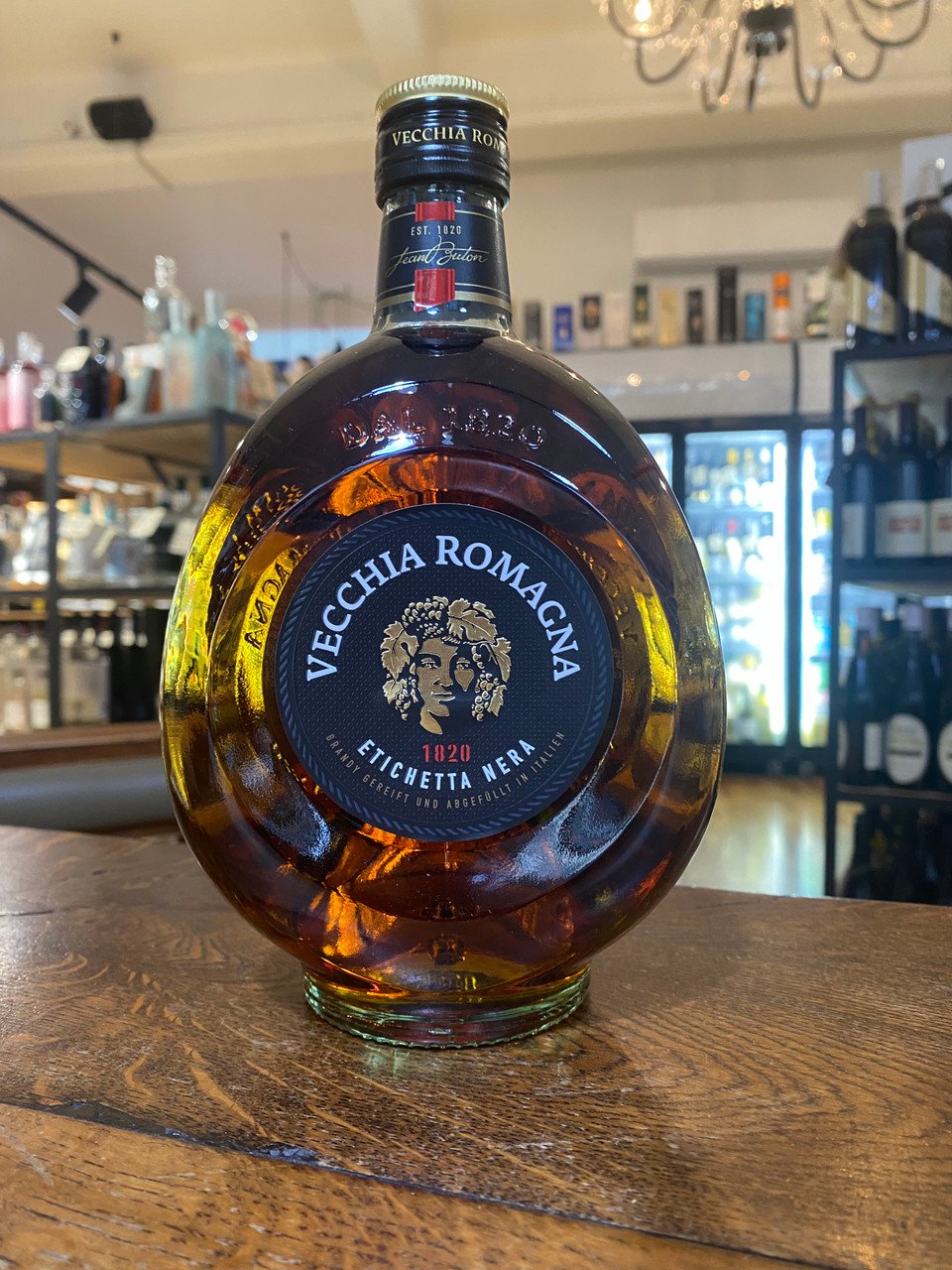
Vecchia Romagna in Italy is a heritage distillery that marries dual distillation techniques with centuries-old blending craft. Signature spirits include Vecchia Romagna Classica, the multi-barrel Riserva Tre Botti, and the Riserva 18 Years finished in Amarone casks. Italy’s best-selling brandy, produced from Trebbiano grapes, delivers honeyed dried-fruit aromas, toasted vanilla from French oak barriques and warm spice from Slavonian oak maturation. Expect a sensorial experience of silk-textured brandy, tobacco-tinged finish and nuanced oak layers—an accessible yet refined introduction to Italian brandy, ideal for collectors and travelers seeking a production-focused distillery visit in Emilia-Romagna. < Back Details Vecchia Romagna WINERY SUMMARY Vecchia Romagna opens with a sensory image: late afternoon light catching the triangular bottle while the scent of toasted oak and dried fruit drifts from the warehouse. Vecchia Romagna sits within Italy’s rich spirits tradition, a production house tracing its roots to 1820 when Jean Bouton, a French immigrant with cognac family ties, established distillation in the Bologna area. From its 1939 brand christening to the Montenegro S.r.l acquisition in 1999, Vecchia Romagna remains synonymous with Italian brandy, inviting visitors to learn about dual distillation, the Vecchia Romagna Method and the slow alchemy of barrel aging during a focused distillery tour. The first 100 words place distillation and tasting front and center for travelers searching for an immersive distillery tour experience in Italy. The legacy of craft at Vecchia Romagna leans on a clear production philosophy: marry continuous column distillation with discontinuous alembic passes to achieve aromatically layered distillates. There is no single celebrity master distiller named in public sources; instead the production team preserves recipes and blending protocols developed over two centuries. This heritage distillery emphasizes provenance—Trebbiano base wine, careful proofing and marriage of distillates—and a consistent sensory profile maintained by experienced blenders. While specific competition medals are not listed, Vecchia Romagna’s market recognition as Italy’s best-selling brandy functions as a major accolade and cultural credential that informs every visitor’s expectation. The product journey at Vecchia Romagna is the most instructive part of a visit. Classica, distilled from Trebbiano and aged a minimum of one year in American oak, shows candied peel, honey and gentle vanilla—an everyday expression that demonstrates the house’s signature style. The Riserva Tre Botti is a layered blend of spirits matured up to 15 years across three vessels—French oak barriques for pronounced aromatic lift, large Slavonian oak barrels for structural roundness, and tonneaux previously used for Italian red wine that impart subtle tannin and dried cherry notes. The Riserva 18 Years is a limited, age-stated expression finished in casks that once held Amarone della Valpolicella, delivering concentrated raisin, bitter chocolate and balsamic highs atop warm oak spice. Production notes that matter to aficionados include the dual use of column and alembic stills, sequential barrel marriage, and allocated bottlings for certain Riserva releases; these details shape tasting flights and private blending sessions when available. Visitors to the distillery can expect a focused, craft-led experience rather than a theme-park spectacle. Tasting spaces reflect industrial heritage—stone floors, an ordered rickhouse and a small, well-lit tasting room where triangular bottles and label art featuring Bacchus set the scene. The tour typically follows the production arc: mash and wine sources (Trebbiano), still house, barrel cellar with French and Slavonian oak stocks, and a final blending demonstration when possible. Architectural details emphasize function: compact barrel rooms for micro-blends and open still houses where the mechanics of column and alembic distillation are explained. Private appointments can include vertical tastings of aged Riserva expressions or comparative flights that highlight provenance, barrel influence and finishing casks. Best times to visit are spring through autumn when production activity and cellar access are most visible; advance booking is recommended given limited private-flighting capacity and allocated Riserva availability. While specific tasting fees and hours are not published in available sources, travelers should reserve tours in advance through official channels and expect curated tastings centered on Classica, Riserva Tre Botti and the Riserva 18 Years. Ask in advance about allocated releases and any seasonal blending sessions for a more hands-on experience. Vecchia Romagna offers both a lesson in Italian brandy craft and an occasion to taste how centuries-old methods translate to modern consistency. Whether you are a collector seeking the Riserva 18 Years or a curious traveler eager for a distillery tour in Emilia-Romagna, Vecchia Romagna frames Italy’s brandy story in tangible aromas, disciplined blending and barrel-aged nuance—book a guided tasting to experience the production team’s signature approach firsthand. REQUEST BOOKING WINEMAKER ACCOLADES JOIN THE CLUB FEATURED GUIDES NEARBY WINERIES 00 Wines 1310 Spirit of the Country Distillery 1404 Manufacturing Distillery 1516 Brewing Company Distillery 2B Hemp Gin Distillery 50 West Vineyards 5020 Koudelka-Sturm Distillery A to Z Wineworks A. Batch Distillery A. Margaine A. Rafanelli Winery ANCAP Alcoholes CONTACT Via Enrico Fermi, 4, 40069 Zola Predosa, Bologna, Italy https://vecchiaromagna.it/ +390516170411
- Seawolf Wines | | The En Primeur Club
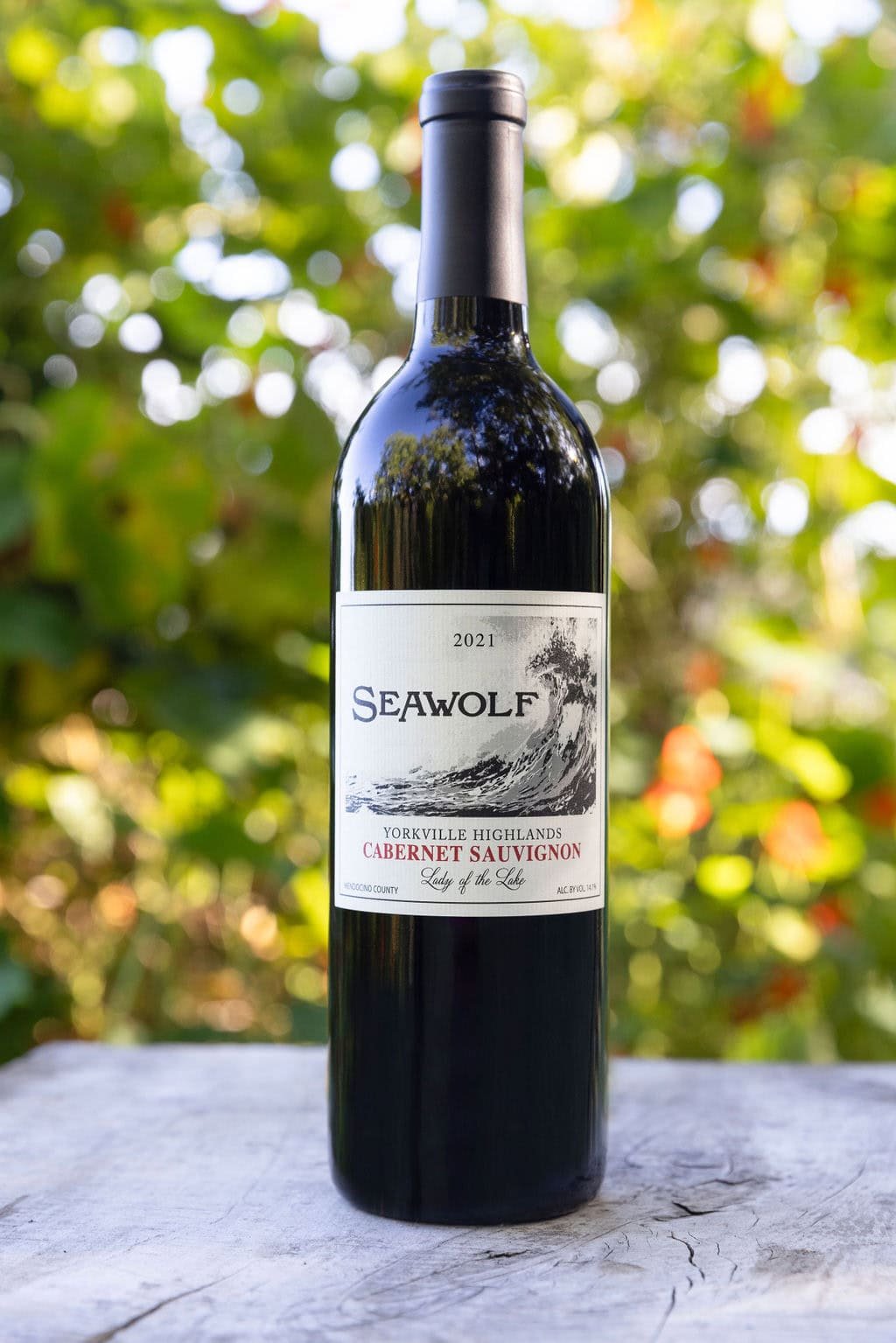
Seawolf Wines in the Yorkville Highlands AVA of Anderson Valley produces organic, small-lot, natural wines on a 2,000-foot mountaintop estate. Signature bottles include the 2022 Lost Coast Pinot Noir, estate Zinfandel, and a hand-harvested Cabernet Sauvignon; each release is unfiltered and expresses cool-climate acidity with concentrated fruit. The tasting experience pairs panoramic vineyard views with tactile, mineral-driven wines — crushed wild cherry, coastal herbs, slate, and polished tannins — served in an intimate outdoor setting by founders Jesse and Emma Hall. Reservations are recommended for flights and limited-release pours. < Back Details Seawolf Wines WINERY SUMMARY Seawolf Wines sits above Highway 128 at roughly 2,000 feet in the Yorkville Highlands AVA, where wind-swept ridgelines and cool diurnal shifts give each bottle vivid energy. From the first step onto the gravel drive you sense the dual influence that defines the estate: mountain altitude and a surf-born reverence for the coast that inspired founders Jesse and Emma Hall. At this boutique wine producer the landscape is the point of departure — rocky soils, cool nights and thin mountain air concentrate flavors and preserve bright acidity. That sense of place shows immediately in the tasting flights, where Pinot Noir and Sauvignon Blanc Musqué present like distilled memories of fog, sea-salt, and wild herbs while reds bring mountain spice and polished structure. Seawolf Wines places the vineyard first; the cellar follows the vineyard’s lead, yielding wines that are lively, textural and honest. The story of craft at Seawolf Wines is rooted in the hands-on practice of two winemakers who left coastal lives to farm at altitude. Jesse and Emma Hall founded the estate in 2014 with an express commitment to organic farming and minimal intervention. Their production philosophy centers on natural fermentation, unfiltered bottling and low-yield viticulture to highlight varietal clarity and site specificity. While the winery does not trade on large competition medals, it has earned a solid regional reputation for consistent small-production bottlings and for prioritized sustainability. The duo’s experience as vintners — from vine to cellar — informs every decision: harvest windows are calculated to preserve acidity, ferments are monitored for nuance, and blending decisions are driven by fidelity to the Yorkville Highlands terroir rather than stylistic trend. Seawolf Wines’ Red Post Wine Club further emphasizes allocation of limited releases and curated experiences for collectors. The product journey at Seawolf Wines is deliberately small-scale. Notable releases include the Lost Coast Pinot Noir 2022, harvested from a discrete pocket on lower ridgelines and vinified to capture bright red fruit, forest floor, and a mineral spine; the estate Zinfandel, showing concentrated berry, cracked pepper and structured tannins; and the Cabernet Sauvignon, which delivers mountain tannin, cassis lift and a savory finish. Other frequent bottlings — Rosé, Sauvignon Blanc Musqué, Grenache, Merlot and Primitivo — reflect the estate’s varietal diversity, each treated with the same minimal-intervention philosophy: native or gentle ferments, minimal filtration and careful, restrained aging in barrel. Limited single-vineyard and reserve lots are released selectively through direct channels; allocation is common for small-production runs. Tasting notes often emphasize texture and terroir-driven aromatics: crushed cherry and rose petal for Pinot Noir, saline citrus and floral lift for Sauvignon Blanc Musqué, and sun-warmed bramble with mountain spice for the reds. Because bottles are produced in modest quantities, collectors and visitors often discover their favorite bottlings through on-site tastings, club shipments or special release notices on the winery website. Visiting Seawolf Wines is an intentional, sensory experience. The tasting area is outdoors with elevated views across the estate vineyard and over Anderson Valley’s lower folds; weather dictates the mood, from crisp, fog-touched mornings to luminous late afternoons. The hospitality is familial and direct — expect the founders or the cellar team to guide tastings, explain regenerative vineyard practices and narrate the characteristics of each parcel. Practical amenities include RV parking, a casual snack offering and a dog-friendly policy that keeps the atmosphere relaxed. There is no grand chateau; architecture is utilitarian and vineyard-forward, designed to put the landscape and the glass at the center of attention. Private tours and vineyard walks are available by reservation and can be tailored to include barrel or single-vineyard tastings when releases permit. For planning, the best times to visit Seawolf Wines are late spring through early fall for clear views and active vineyard life, and harvest season for a closer look at cellar operations — reservations are recommended as tastings are limited and focused. Bookings are typically made through the winery website or by contacting the tasting team; the Red Post Wine Club provides priority access to allocated releases and special events. Tastings are designed to be intimate: seated flights, estate-focused pours and occasional verticals when stocks allow. Seawolf Wines rewards travelers who value origin, texture and small-production authenticity. Whether you arrive for the Lost Coast Pinot Noir, a curated tasting with Jesse and Emma Hall, or to join the Red Post Wine Club, the estate offers a measured, memorable encounter with the Yorkville Highlands. Reserve a tasting to taste the elevation and the hands that shape it at Seawolf Wines. REQUEST BOOKING WINEMAKER ACCOLADES JOIN THE CLUB FEATURED GUIDES NEARBY WINERIES 00 Wines 1310 Spirit of the Country Distillery 1404 Manufacturing Distillery 1516 Brewing Company Distillery 2B Hemp Gin Distillery 50 West Vineyards 5020 Koudelka-Sturm Distillery A to Z Wineworks A. Batch Distillery A. Margaine A. Rafanelli Winery ANCAP Alcoholes CONTACT 33151 Highway 128, Yorkville, CA 95494, USA https://www.seawolfwines.com +17074940312
- Gabriele Rausse Winery | | The En Primeur Club
Gabriele Rausse Winery in Virginia’s Piedmont crafts small-production, terroir-forward wines from 9 estate acres and exclusive local contracts. Signature offerings include Nebbiolo (estate), Grüner Veltliner (estate) and the Chasselas Doré sparkling, each showing high acidity, precise acidity-driven structure and orchard-citrus aromatics. Founded by viticultural pioneer Gabriele Rausse in 1997—widely recognized for transforming Virginia’s wine industry—the winery pairs old-world varietals with modern precision. Tastings occur in a tiny, discreet woodland room and cellar beneath the family home, delivering intimate, sensory-driven flights that emphasize texture, minerality and provenance. Limited production and allocation make visits essential for collectors and discerning travelers. < Back Details Gabriele Rausse Winery WINERY SUMMARY Gabriele Rausse Winery sits within Virginia’s Piedmont near Charlottesville and presents an immediate sense of place the moment you arrive: cool, stone-lined cellar air, the bright citrus snap of a freshly poured sparkling, and the subtle tannic perfume of Nebbiolo. Gabriele Rausse Winery focuses on low-yield, site-specific farming across nine acres split between two vineyard sites and a roster of tightly controlled grower contracts. The estate’s wines—most notably Nebbiolo, Grüner Veltliner and the Chasselas Doré sparkling—are expressions of a Virginia Piedmont that Rausse has long argued can mirror parts of northern Italy, and the first 100 words here place that terroir claim front and center for curious travelers and collectors alike. The cellar beneath the family home stores early vintages and family milestones, anchoring the tasting experience in history and craft. Gabriele Rausse himself is central to the story. A founder of modern Virginia viticulture, Rausse helped launch Barboursville Vineyards in 1976 and later established his namesake winery in 1997; his work earned industry recognition including honors from the Virginia Agribusiness Council for distinguished service. That pedigree informs every decision: vineyard siting, clonal selection, and a winemaking philosophy that values balance over manipulation. Production combines stainless steel fermenters for freshness with thoughtful oak aging in wood barrels to add structure and nuance. The family—led by Gabriele with sons Tim and Peter involved—maintains artisanal oversight from pruning through bottling. The result is wines that attract collectors because they are limited, terroir-focused and made by a production team steeped in decades of regional experimentation. The product journey at Gabriele Rausse Winery is intimate and deliberate. The Chasselas Doré sparkling is a recent, notable project made from Chasselas sourced at Redlands Vineyards; it presents as dry, bright and full-bodied with high acidity and aromas of lemon, green apple, ripe pear and white blossom, delivered as a precise, food-friendly sparkling. Estate Nebbiolo—planted in soils and microclimates Rausse identified as analogous to Veneto—yields a lean, fragrant red with red-cherry perfume, iron-tinged minerality and fine-grained tannins; fermentation uses temperature-controlled stainless steel with extended maceration and selective barrel aging to preserve aromatic lift. Grüner Veltliner and Roussanne from estate rows showcase textural contrast: Grüner offers peppery white-peach and citrus zest with a chalky mineral finish, while Roussanne contributes waxy stone-fruit richness and layered texture from neutral oak aging. Many wines are small-lot or one-off bottlings; allocations and limited-release runs mean some cuvées appear infrequently, rewarding advance planning and membership interest. The winery’s barrel program blends modern hygiene with traditional barrel aging to achieve clarity, tension and age-worthiness. Visiting the estate is intentionally understated. The tasting room is very small and discreet, set among woods that muffle traffic and sharpen the senses; the functional winery and fermentation room sit close to the family home, and the cellar beneath that home offers vertical and library bottle context when available. Architecture is domestic and practical rather than grand: stone floors, reclaimed wood touches and open barrel racks suggest a working cellar more than a showpiece. Private tastings are conversational and teacherly—expect in-depth discussion of clone choices, soil layers and vintage variation rather than scripted sales pitches. Because capacity is limited and the wines are often allocated, advance reservations—typically appointment-only—are recommended for collectors and travelers seeking a deeper exploration such as barrel samples or by-request library pours. Best times to visit are spring through fall when the vineyard work is visible and harvest activity peaks; winter visits can offer cellar-focused tastings but require advance booking. Expect appointment-only tastings and small-group flights; large-event facilities and daily walk-ins are not part of the offering. Reservations help secure allocated bottles or limited releases that sell directly from the cellar. Gabriele Rausse Winery rewards travelers who value provenance, careful farming and winemaking lineage. Book a tasting to taste the Chasselas Doré, reserve a handful of estate Nebbiolo if available, and speak with the family team to understand why Gabriele Rausse’s name is synonymous with Virginia’s modern wine story. A visit here is less about spectacle and more about encountering the refined results of a lifetime’s work in Virginia viticulture. REQUEST BOOKING WINEMAKER ACCOLADES JOIN THE CLUB FEATURED GUIDES NEARBY WINERIES 00 Wines 1310 Spirit of the Country Distillery 1404 Manufacturing Distillery 1516 Brewing Company Distillery 2B Hemp Gin Distillery 50 West Vineyards 5020 Koudelka-Sturm Distillery A to Z Wineworks A. Batch Distillery A. Margaine A. Rafanelli Winery ANCAP Alcoholes CONTACT 3247 Carters Mountain Rd, Charlottesville, VA 22902, USA https://www.gabrieleraussewinery.com +14349811677
- Valdicava | | The En Primeur Club
Valdicava in Montalcino, Italy is a family-run estate producer rooted in Montosoli terroir. The cellar focuses on Sangiovese-driven Brunello di Montalcino, Rosso di Montalcino and the single-vineyard Madonna del Piano Riserva. Valdicava blends traditional fermentation with careful barrel aging in Slavonia oak to achieve structured, aromatic wines prized by critics such as James Suckling. Expect concentrated cherry and black tea notes, fine-grained tannins and coastal mineral lift that speak of Montosoli’s cool soils. The estate’s limited Riserva releases (≈800 cases) and an annual output near 80,000 bottles underscore both rarity and consistent quality for discerning visitors. < Back Details Valdicava WINERY SUMMARY Valdicava sits in the Montosoli area of Montalcino, Italy, and the first impression is one of vineyard geometry carved into cooler, higher-elevation slopes. Valdicava’s location on the Montosoli hill—part of an extended 135-hectare estate—gives the wines a tension between ripe Sangiovese fruit and saline mineral notes. Founded in 1953 by Bramante Abbruzzese and guided since 1987 by owner Vincenzo Abbruzzese, Valdicava produces wines that read like a map: altitude, aspect and soil all translated through careful cellar work into wine. Visitors feel the place in each sip; red-fruited breadth, iron-tinged lift and precise tannins make the tasting both sensual and analytical. Early-season breezes and calcareous soils shape the vineyards and the wines they yield. The production philosophy at Valdicava privileges site specificity and low-intervention techniques. Winemaker Attilio Pagli works with Vincenzo Abbruzzese and a dedicated production team to maintain traditional fermentation practices while integrating modern precision when needed. Valdicava manages roughly 27 hectares of estate Sangiovese and produces about 80,000 bottles annually—numbers that balance estate focus with international demand. Aging is principally executed in Slavonia oak barrels, chosen to preserve Sangiovese’s aromatic clarity and to build structural tannin rather than overt oak flavor. Critics and importers frequently single out the estate’s Brunello for its clarity and long-term aging potential; while formal awards are not listed in available sources, high scores and consistent praise have positioned Valdicava within Montalcino’s select producers. The product journey at Valdicava moves from Rosso di Montalcino—an approachable, early-releasing expression of Sangiovese—to the estate Brunello di Montalcino, a wine aged longer for layering and complexity. Highest among releases is the Madonna del Piano Riserva, a single-vineyard selection produced in only the strongest years and limited to roughly 800 cases per vintage. Fermentation regimes combine stainless steel temperature control with traditional macerations to extract color and aromatic precursors, followed by months to years in Slavonia oak to refine texture. Tasting notes for the Brunello typical of Valdicava include black cherry, tobacco leaf, graphite and an undercurrent of herbaceous Mediterranean scrub; the Madonna del Piano Riserva adds compressed blackberry, dark chocolate, cedar and a long saline finish. The Rosso di Montalcino offers red cherry, bright acidity and an accessible frame for near-term drinking. All releases are estate-grown and reflect a terroir-first mindset: low yields, vine-by-vine attention and selective harvesting. Visitors to Valdicava should expect a focused, cellar-oriented experience that emphasizes the wine’s connection to Montosoli. While specific public tasting programs vary and online reservation details are not provided in source material, the estate typically stages guided tastings in its cellar and barrel room where guests can compare vintages and, when available, taste Madonna del Piano Riserva. The atmosphere is refined and instructive rather than theatrical: you’ll stand before barrels, review vine parcels on a map, and sample flights that trace production choices. There is limited production of the Riserva, so private or small-group appointments yield the most rewarding access. Sustainable viticulture practices inform both the visit and the tasting, with discussions often covering canopy management, harvest timing and oak selection. Best times to visit are late spring through early autumn when the vineyards are active and light favors vineyard viewing; harvest-period visits require advance planning due to winery workload. Reservations are recommended—private tastings and vertical flights are likely by appointment only—and guests should contact Valdicava ahead of travel since public booking links were not available from the provided sources. Expect attentive, expert-led tastings focused on vertical comparisons and single-vineyard expression. For travelers seeking Montalcino’s distinct expression of Sangiovese, Valdicava offers an education in Montosoli terroir and a chance to taste allocations that rarely saturate the market. Plan in advance, request vertical or Riserva-focused flights, and let Valdicava’s cellar team guide you through wines that articulate years, place and patient craftsmanship. REQUEST BOOKING WINEMAKER ACCOLADES JOIN THE CLUB FEATURED GUIDES NEARBY WINERIES 00 Wines 1310 Spirit of the Country Distillery 1404 Manufacturing Distillery 1516 Brewing Company Distillery 2B Hemp Gin Distillery 50 West Vineyards 5020 Koudelka-Sturm Distillery A to Z Wineworks A. Batch Distillery A. Margaine A. Rafanelli Winery ANCAP Alcoholes CONTACT Località Val di Cava 53024 Montalcino Italy https://www.valdicava.com +390577848261