Details
Seawolf Wines
WINERY SUMMARY

Seawolf Wines sits above Highway 128 at roughly 2,000 feet in the Yorkville Highlands AVA, where wind-swept ridgelines and cool diurnal shifts give each bottle vivid energy. From the first step onto the gravel drive you sense the dual influence that defines the estate: mountain altitude and a surf-born reverence for the coast that inspired founders Jesse and Emma Hall. At this boutique wine producer the landscape is the point of departure — rocky soils, cool nights and thin mountain air concentrate flavors and preserve bright acidity. That sense of place shows immediately in the tasting flights, where Pinot Noir and Sauvignon Blanc Musqué present like distilled memories of fog, sea-salt, and wild herbs while reds bring mountain spice and polished structure. Seawolf Wines places the vineyard first; the cellar follows the vineyard’s lead, yielding wines that are lively, textural and honest.
The story of craft at Seawolf Wines is rooted in the hands-on practice of two winemakers who left coastal lives to farm at altitude. Jesse and Emma Hall founded the estate in 2014 with an express commitment to organic farming and minimal intervention. Their production philosophy centers on natural fermentation, unfiltered bottling and low-yield viticulture to highlight varietal clarity and site specificity. While the winery does not trade on large competition medals, it has earned a solid regional reputation for consistent small-production bottlings and for prioritized sustainability. The duo’s experience as vintners — from vine to cellar — informs every decision: harvest windows are calculated to preserve acidity, ferments are monitored for nuance, and blending decisions are driven by fidelity to the Yorkville Highlands terroir rather than stylistic trend. Seawolf Wines’ Red Post Wine Club further emphasizes allocation of limited releases and curated experiences for collectors.
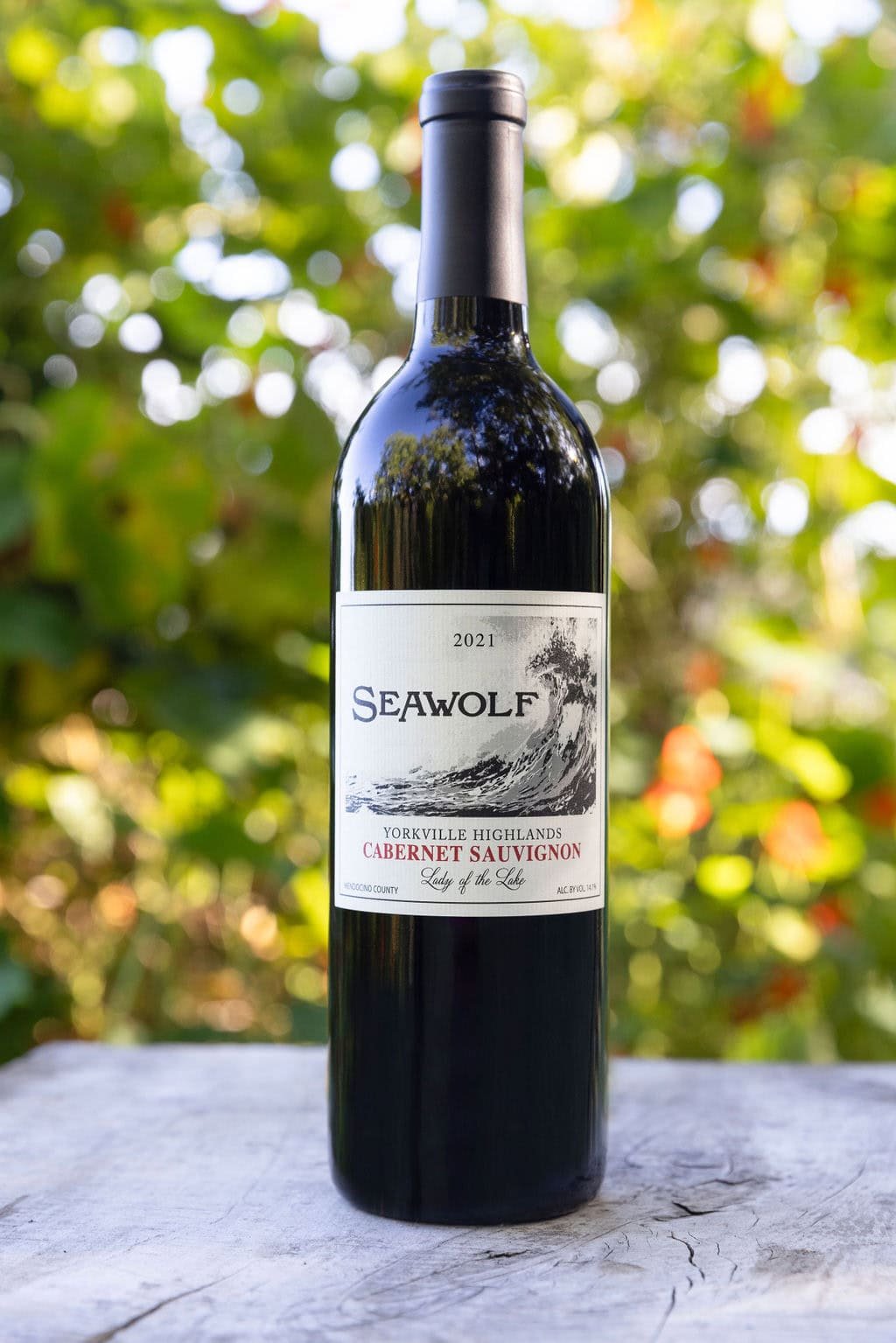
The product journey at Seawolf Wines is deliberately small-scale. Notable releases include the Lost Coast Pinot Noir 2022, harvested from a discrete pocket on lower ridgelines and vinified to capture bright red fruit, forest floor, and a mineral spine; the estate Zinfandel, showing concentrated berry, cracked pepper and structured tannins; and the Cabernet Sauvignon, which delivers mountain tannin, cassis lift and a savory finish. Other frequent bottlings — Rosé, Sauvignon Blanc Musqué, Grenache, Merlot and Primitivo — reflect the estate’s varietal diversity, each treated with the same minimal-intervention philosophy: native or gentle ferments, minimal filtration and careful, restrained aging in barrel. Limited single-vineyard and reserve lots are released selectively through direct channels; allocation is common for small-production runs. Tasting notes often emphasize texture and terroir-driven aromatics: crushed cherry and rose petal for Pinot Noir, saline citrus and floral lift for Sauvignon Blanc Musqué, and sun-warmed bramble with mountain spice for the reds. Because bottles are produced in modest quantities, collectors and visitors often discover their favorite bottlings through on-site tastings, club shipments or special release notices on the winery website.
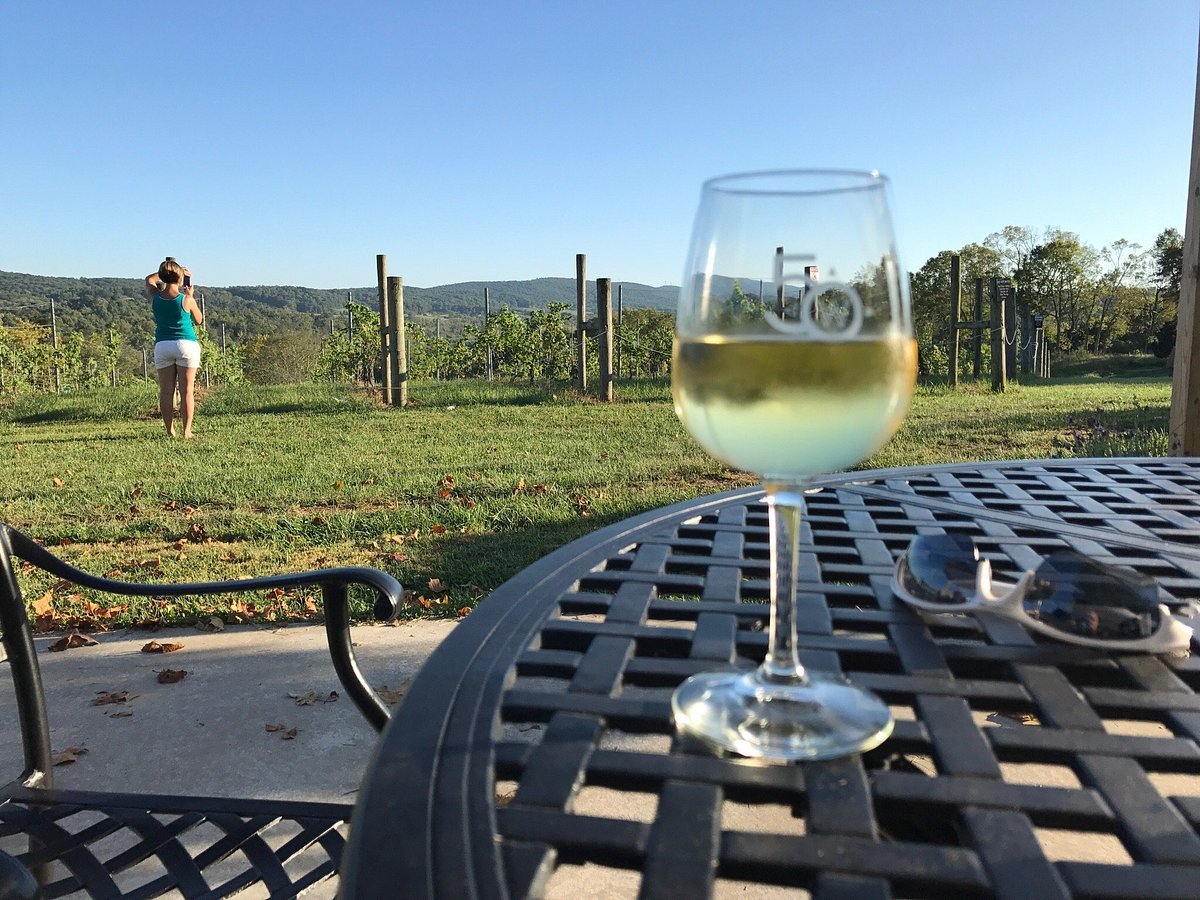
Visiting Seawolf Wines is an intentional, sensory experience. The tasting area is outdoors with elevated views across the estate vineyard and over Anderson Valley’s lower folds; weather dictates the mood, from crisp, fog-touched mornings to luminous late afternoons. The hospitality is familial and direct — expect the founders or the cellar team to guide tastings, explain regenerative vineyard practices and narrate the characteristics of each parcel. Practical amenities include RV parking, a casual snack offering and a dog-friendly policy that keeps the atmosphere relaxed. There is no grand chateau; architecture is utilitarian and vineyard-forward, designed to put the landscape and the glass at the center of attention. Private tours and vineyard walks are available by reservation and can be tailored to include barrel or single-vineyard tastings when releases permit.
For planning, the best times to visit Seawolf Wines are late spring through early fall for clear views and active vineyard life, and harvest season for a closer look at cellar operations — reservations are recommended as tastings are limited and focused. Bookings are typically made through the winery website or by contacting the tasting team; the Red Post Wine Club provides priority access to allocated releases and special events. Tastings are designed to be intimate: seated flights, estate-focused pours and occasional verticals when stocks allow.
Seawolf Wines rewards travelers who value origin, texture and small-production authenticity. Whether you arrive for the Lost Coast Pinot Noir, a curated tasting with Jesse and Emma Hall, or to join the Red Post Wine Club, the estate offers a measured, memorable encounter with the Yorkville Highlands. Reserve a tasting to taste the elevation and the hands that shape it at Seawolf Wines.