Details
Rippon Vineyard
WINERY SUMMARY

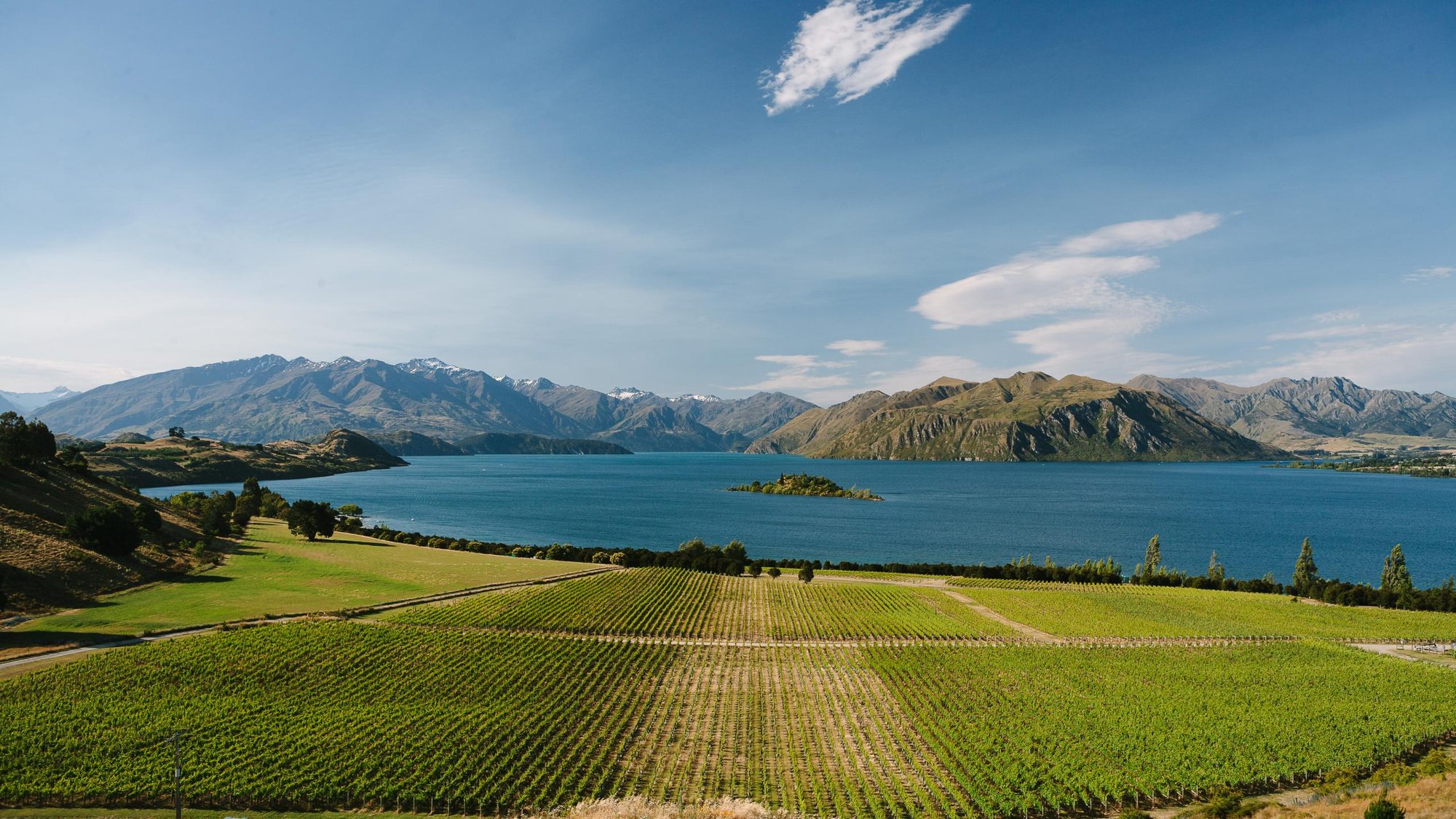
Rippon Vineyard in Central Otago arrives in the first sentence with a scene: the Mills family estate sits on the western flanks of Lake Wānaka, where wind-swept schist soils and cool alpine air shape wines of precision. Walk the slopes at dawn and you will register the same elements that inform the cellar—significant diurnal range, fast-draining schist, and a lakeside influence that prolongs ripening. Rippon Vineyard has translated that place into bottles, with an estate-focused portfolio and biodynamic farming that prioritizes soil life and longevity. The vineyard’s reputation—recently cited as Best Vineyard in Australasia and ranked eighth worldwide—draws collectors and serious wine travelers to Central Otago for focused tastings and allocated releases.
The Mills family story anchors Rippon’s craft. The land entered family hands in 1912; Rolfe Sargood Mills planted experimental vines in 1975 and established the first commercial block in 1982. Today Nick Mills leads winemaking and stewardship with a production team committed to Demeter-certified biodynamics (vineyard-wide, early 2000s certification) and minimal intervention in the cellar. That philosophy yields a restrained, terroir-forward style: natural ferments, low-addition practices and measured use of French oak for structure rather than overt spice. Rippon Vineyard’s awards and international critical attention reflect consistent scores and allocated bottlings; those accolades support a tasting program designed for guests who value provenance, patience and singular vineyard expression.
The product journey at Rippon Vineyard emphasizes variety-by-vineyard storytelling. Rippon Pinot Noir—Rippon’s flagship—draws from multiple schist parcels across roughly 15 hectares of vines; fruit sees native yeast fermentation, careful whole-bunch inclusion where appropriate, and maturation in French oak to produce wine with red-cherry clarity, iron-mineral drive and fine-grained tannins capable of 10–20 years’ evolution. Rippon Riesling captures high-acid clarity and slate-like minerality, often bottled from select rows to preserve citrus peel, petrol nuance and saline lift. Rippon Gewürztraminer highlights aromatic intensity—rose petal, lychee and spice—harvested early for balance and stainless- or neutral-wood handling to retain fragrance. Rippon Gamay offers a cooler-climate, light-bodied red with crunchy red fruit and floral lift. The estate issues limited single-vineyard and small-allocation bottlings in select years; these releases are often reserved for collectors and mailing-list members, reflecting small-case production and a deliberate cellar-ageing program.
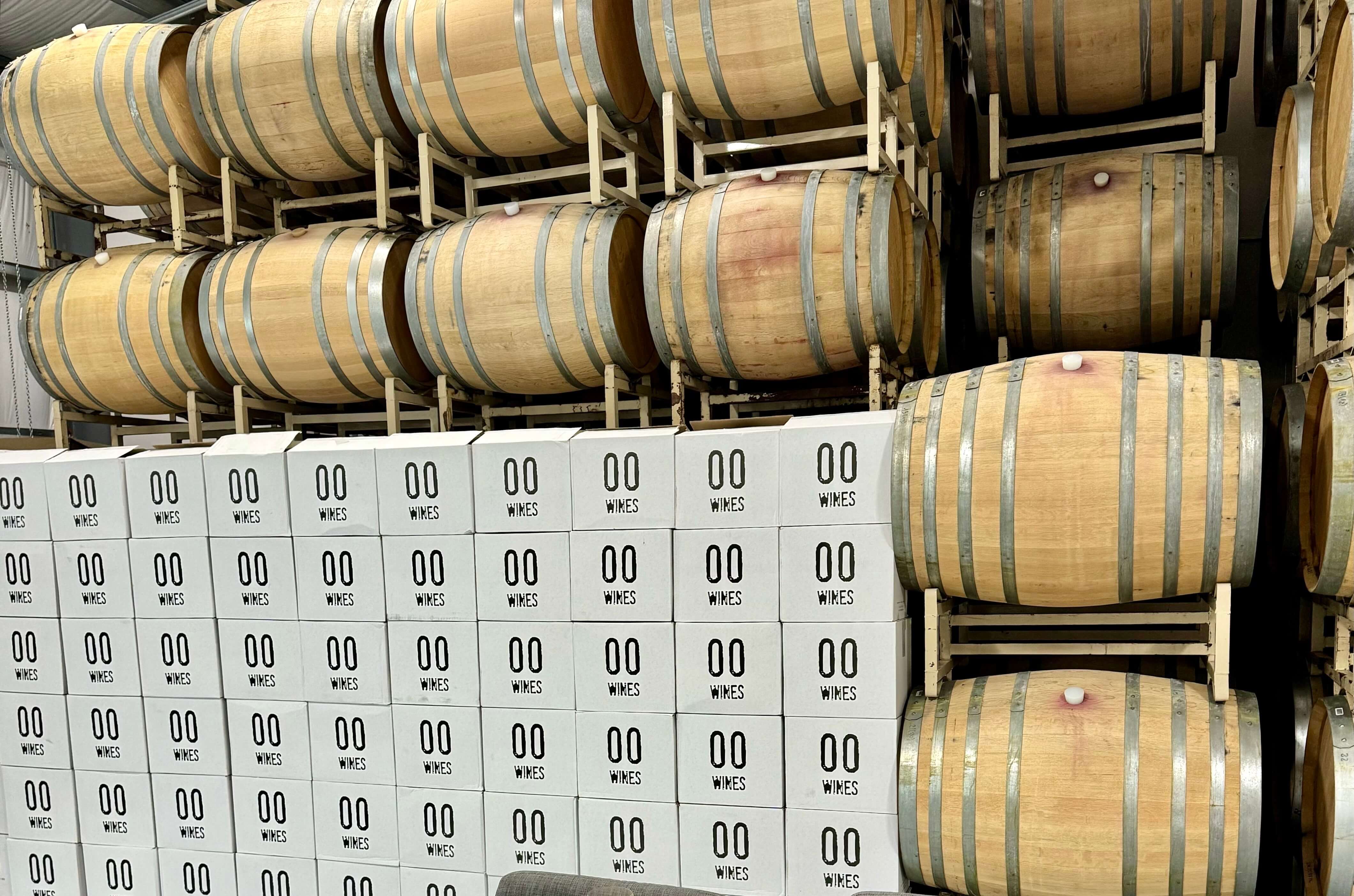
Visiting Rippon Vineyard centers on Rippon Hall, an intimate tasting room built from local materials with uninterrupted views across Lake Wānaka to the Southern Alps. Tastings are appointment-only and guided by the cellar team, focusing on biodynamic practice, block differences and the cellar’s maturation choices. The property sets aside picnic areas and private-event spaces for seasonal pairings with regional chefs; hospitality is intentionally educational and unhurried. The estate’s barrel program and French-oak regimen are visible conversation points during visits, and the production team occasionally offers focused verticals or allocated-tasting opportunities for collectors—advance booking is essential because experiences are limited and seasonally adjusted.
Best times to visit are late summer and early autumn (February–April) when the canopy shows color and harvest rhythm is apparent; spring visits reveal vigorous shoot growth and soil activity. All tastings require appointments—book ahead, especially in high season—and confirm availability for private or group events. Rippon Vineyard manages visits to protect the vineyard and ensure an undisturbed, informative tasting for each guest.
If you seek wines that speak of schist, lake-borne cooling and decades of family care, Rippon Vineyard rewards close attention. Reserve an appointment at Rippon Vineyard and experience biodynamic viticulture, estate-grown Pinot Noir and the lakeside perspective that shapes each vintage.
WINEMAKER
ACCOLADES