SEARCH
34898 results found with an empty search
- Sunstone Winery | | The En Primeur Club
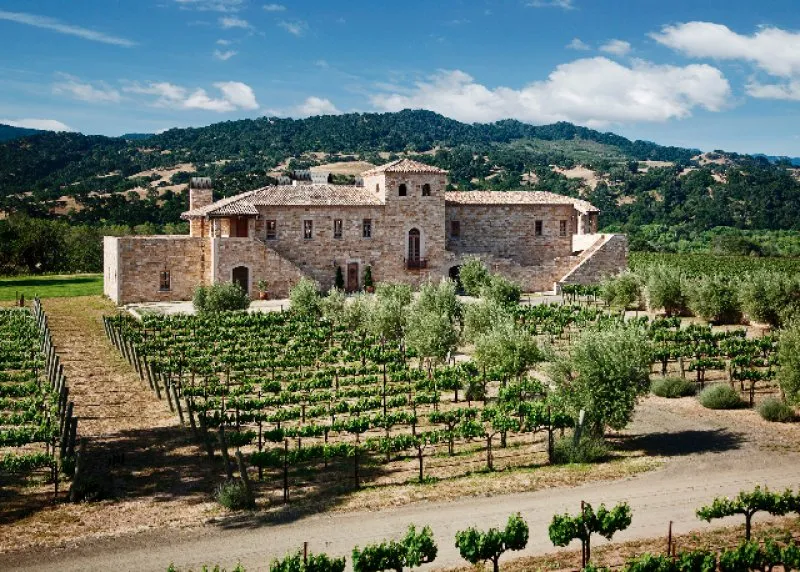
Organic pioneer Sunstone Winery transforms 52 acres of Santa Ynez terroir into award-winning Rhône and Bordeaux blends, where Provençal-inspired architecture and sustainable farming create California's most distinctive French-style wine experience. < Back Santa Barbara Sunstone Winery WINERY SUMMARY Where Provençal-inspired architecture meets organic Santa Ynez terroir, Sunstone Winery transforms 52 acres of river-view vineyards into California's most distinctive Rhône and Bordeaux expressions. This family-driven estate stands apart through its commitment to sustainable viticulture and French-influenced winemaking philosophy. Founded on a vision of harmonizing Old World traditions with Santa Barbara County's exceptional growing conditions, Sunstone takes its name from the sun-dappled shale and stones that define its unique terroir. Under the guidance of winemaker Brittany Rice, the estate has evolved into a benchmark producer, where meticulous attention to soil health and organic farming practices create the foundation for exceptional wines. Rice's approach emphasizes minimal intervention winemaking, allowing the distinctive characteristics of the Santa Ynez Valley's diverse microclimates to shine through each vintage. The winery's signature Rhône varietals showcase the region's natural affinity for Syrah, Grenache, and Viognier, while their Bordeaux-style blends demonstrate the versatility of this acclaimed appellation. Each wine reflects the estate's commitment to ultra-premium quality, with limited production ensuring exclusivity for collectors and connoisseurs. The winery's award-winning portfolio consistently earns critical acclaim, positioning Sunstone among Santa Barbara County's most respected producers. Visitors discover an immersive wine experience within the estate's stunning Provençal-style architecture, where terraced vineyards cascade toward panoramic views of the Santa Ynez River. The intimate tasting room offers curated experiences by appointment, allowing guests to explore the full range of estate wines while learning about the property's organic farming practices. Private tours reveal the winery's commitment to sustainability, from vineyard to cellar, while exclusive tastings showcase library wines and limited releases unavailable elsewhere. The property's distinctive Mediterranean aesthetic creates an authentic Provence-in-California atmosphere, complete with lavender gardens and olive groves that complement the vineyard landscape. Experience Sunstone Winery's unique blend of French elegance and California innovation, where organic farming meets artisanal winemaking in one of Santa Ynez Valley's most beautiful settings. Contact the estate directly to arrange your exclusive tasting appointment and discover why discerning collectors choose Sunstone for investment-grade wines. REQUEST BOOKING WINEMAKER Brittany Rice ACCOLADES (2025) Pearl 2 Star Prestige JOIN THE CLUB FEATURED GUIDES NEARBY WINERIES 00 Wines 1310 Spirit of the Country Distillery 1404 Manufacturing Distillery 1516 Brewing Company Distillery 2B Hemp Gin Distillery 50 West Vineyards 5020 Koudelka-Sturm Distillery A to Z Wineworks A. Batch Distillery A. Margaine A. Rafanelli Winery ANCAP Alcoholes CONTACT 125 N Refugio Rd, Santa Ynez, CA 93460, United States https://www.sunstonewinery.com +18056889463
- Roger Groult | | The En Primeur Club
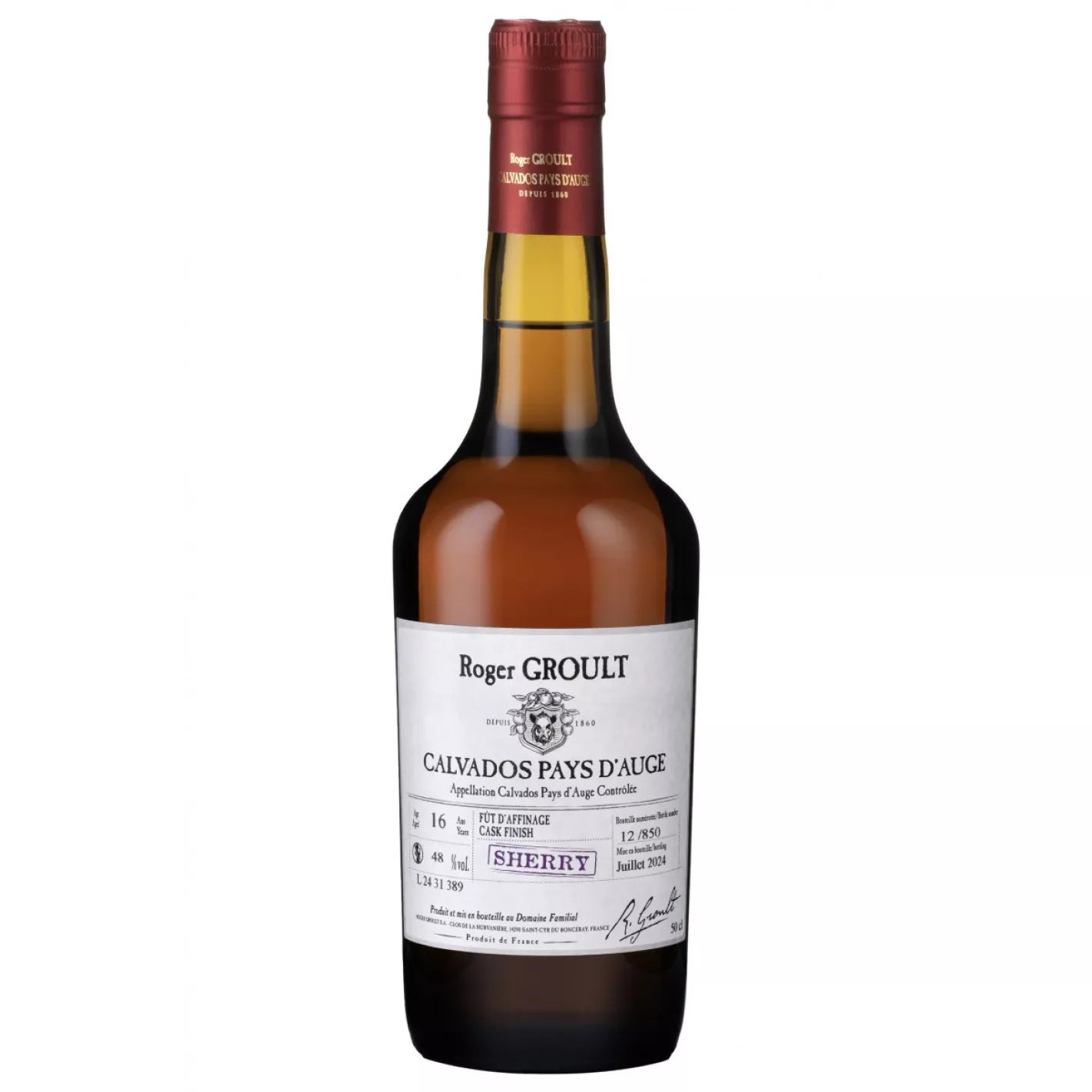
Roger Groult in Saint-Cyr du Ronceray, Normandy, is a family-run Calvados distillery combining 19th-century craft and contemporary cask innovation. Production centers on estate-pressed cider, slow natural fermentation and double distillation over wood-fired copper pot stills. Signature expressions include Vénérable (blend aged 18+ years), vintage releases such as 2003 and 2008, and a rotating cask-finished series (Vouvray, Jurançon, Banyuls, whisky). The estate’s perpetual-blend cellar keeps an ancient base of old eaux-de-vie, preserving apple character while layered by subtle barrel finishes. Expect bright orchard fruit, baked apple, toasted spice and a long, saline finish—an immersive tasting that reads as terroir-driven, precise and quietly luxurious. < Back Details Roger Groult WINERY SUMMARY Roger Groult in Saint-Cyr du Ronceray is a living chapter of Normandy’s Calvados Pays d'Auge story, where orchard scent meets smoke from the still house and cellars hum with the slow language of wood and spirit. At Roger Groult you step into a working estate of 27 hectares of high-stem apple trees and encounter copper pot stills fired by wood, a method practiced here since the estate’s 1860 founding. The region’s temperate soils and the Lisieux triangle location shape bittersweet apple varieties that translate through natural fermentation into a layered cider, then into distinctive eaux-de-vie. The estate’s commitment to place and craft makes a distillery tour here more than a demonstration: it’s a sensory walk through Pays d'Auge provenance and hands-on distilling techniques that foreground apple clarity even in older expressions. The heritage and craft at Roger Groult are family-written: founded by Pierre Groult in 1860 and now stewarded by the fifth generation, the estate keeps production intimately managed by Estelle and Jean-Roger Groult alongside the cellar and distillery team. Their production philosophy privileges estate fruit, 100% natural fermentation on fine lees, and meticulous double distillation according to Pays d'Auge rules — petites eaux followed by the bonne chauffe. The distillery operates three small antique copper pot stills (two 4-hectoliter and one 12-hectoliter) heated by wood fire, a labor-intensive technique that requires sensory attention rather than automation. Recognition for Roger Groult stems from longevity, terroir fidelity and innovative finishing programs rather than trophy marketing; the family’s perpetual blending system—never fully emptying barrels—creates a continuous reservoir of aged character that gardeners of flavor tend year after year. This approach keeps the apple at the core and resists heavy oak domination, a distinction that collectors and spirits professionals value. The product journey at Roger Groult moves from orchard to cask in deliberate stages. Cider pressed on-site ferments slowly to 5–7% ABV before distillation; the distillates are corrected by skillful cuts, discarding heads and tails to harvest the pure heart. Signature expressions include Vénérable, a blend of eaux-de-vie aged 18 years and older that balances preserved apple character with tertiary notes of dried pear, honeyed apricot, nutmeg and polished oak. Vintage releases—such as the 2003 and 2008 bottlings—showcase single-year climatic signatures, offering focused fruit intensity and cellared maturity suited to collectors. Since 2017, Roger Groult’s cask-finished series has explored finishing in barrels from Vouvray, Jurançon and Banyuls wines, as well as used whisky and beer barrels; these finishes add precise layers—levender honey from Vouvray, lactic sweetness from Banyuls, and smoky spice from whisky casks—while respecting the Calvados core. The estate ages spirit in roughly 400 barrels and very large casks (100 to over 13,000 liters), where perpetual blending and small-batch marrying preserve continuity across vintages and limited single-cask releases. Occasional single-cask or cask-strength bottlings are allocated to specialists and collectors, underscoring the distillery’s small-batch, provenance-first positioning. Visitor experience at Roger Groult is intimate and instructive: tours are by appointment with scheduled weekday times and expanded summer availability. The itinerary typically includes the modern pressing hall, the wood-fired still house with its three antique copper stills, and the vaulted cellar where hundreds of barrels and giant casks age. Tastings center on the estate’s core and older expressions and often include a cask-finished comparison to illustrate finishing techniques. Architecture combines functional farm buildings, a working still house and a vaulted aging space that feels both industrial and reverent; the site’s layout keeps production visible and tactile, inviting questions and hands-on learning. The team speaks French and English and can arrange group visits or tailored tastings for collectors and trade guests. Plan visits Monday to Friday year-round, with additional tours and tastings Monday to Saturday in July and August (exceptions for public holidays apply). Bookings are required for guided tours and tastings; group visits are accommodated by appointment. Pricing for tastings is not published online, so reserve in advance via the distillery’s contact channels to confirm options like vertical flights, cask comparisons or private cellar sessions. For a refined encounter with Normandy terroir, Roger Groult delivers an authentic Calvados narrative: estate-grown apples, slow fermentation, wood-fired pot stills and a perpetual cellar that knits generations of eaux-de-vie into age-worthy expressions. Reserve a tour with Roger Groult to taste Vénérable, vintage releases and the cask-finished series—each bottle a measured translation of place, time and the family’s quiet expertise. REQUEST BOOKING WINEMAKER ACCOLADES JOIN THE CLUB FEATURED GUIDES NEARBY WINERIES I'm an image title Describe your image here. I'm an image title Describe your image here. I'm an image title Describe your image here. CONTACT 10 Route des Calvados, 14290 Saint-Cyr du Ronceray calvados-groult.com '+33 (0)2 31 63 71 53
- Ataraxia Wines | | The En Primeur Club
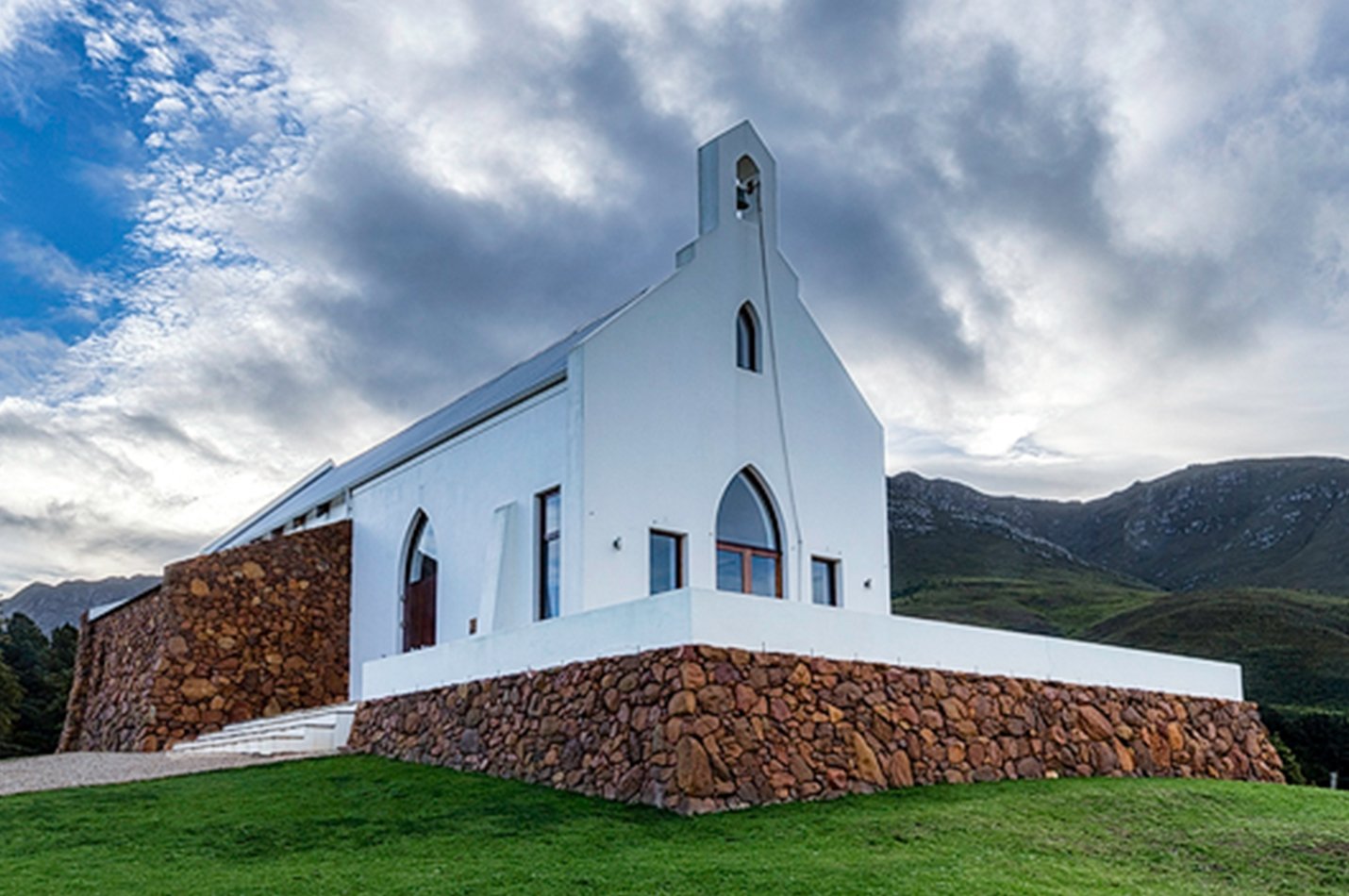
Ataraxia Wines in Hemel-en-Aarde Ridge near Hermanus, Western Cape produces cool-climate, terroir-driven wines with a disciplined, low-intervention approach. Signature offerings include the estate Chardonnay, Pinot Noir and the Syrah–Shiraz blend “Serenity.” The cellar emphasizes mineral clarity from ancient soils and maritime influence, delivering bright acidity, saline minerality and layered texture. Recognized with a Winery Star Certificate from the Wine International Association, Ataraxia Wines pairs panoramic valley and Babylon Mountain views with a chapel-like Wine Lounge® for contemplative tastings focused on provenance and precision. < Back Details Ataraxia Wines WINERY SUMMARY Ataraxia Wines sits on a rise in the Hemel-en-Aarde Ridge above Hermanus, where wind and sea-shifted temperatures sculpt grapes into crisp, mineral-driven wines. The winery’s first sentence is a promise of place: Hemel-en-Aarde Ridge winery terroir shapes everything here. Visitors arrive via a rural access road to find vineyard rows planted on some of the oldest soils on Earth and a chapel-like Wine Lounge® with sweeping views of Babylon Mountain and the valley below. Ataraxia Wines places Chardonnay and Pinot Noir at the center of its program, leveraging cool maritime breezes and elevation to produce wines of tension, salinity and restraint that reward contemplative tasting and food pairing. Kevin and Hanli Grant transformed Skyfield Farms into this estate; Kevin Grant serves as winemaker and viticulturist, holding a B.Sc. Honours in Zoology and a Diploma in Cellar Technology from Elsenburg Agricultural College where he graduated as Dux. His harvest experience across France, Oregon, Australia and New Zealand informs a global yet site-focused production philosophy. Ataraxia Wines adopts minimal intervention in the vineyard and cellar, allowing ancient, mineral-rich soils and a long growing season to define flavour. The estate’s international recognition includes a Winery Star Certificate from the Wine International Association, and the cellar team prioritizes precision fermentation, small-batch handling and careful oak integration where appropriate. The product journey at Ataraxia Wines starts in twelve hectares of estate vines—planned to expand to twenty-four hectares—and moves through a modern cellar designed for fidelity to site. The estate Chardonnay is fermented and matured in small lots to preserve bright acidity and expressive minerality; expect citrus blossom, wet stone and subtle cream from measured oak contact. The Pinot Noir exemplifies cool-climate red fruit and savoury structure: red cherry, tea leaf and iron-tinged minerality through gentle extraction and selective barrel ageing. The guest-highlighted Serenity is a Syrah–Shiraz blend that leans into pepper, dark fruit and Atlantic breezes; it is crafted for immediate appeal and cellar potential. Additional estate whites, reds and a late-harvest dessert wine appear in limited quantities each vintage—allocated releases that reflect the hands-on approach of the winemaker and the small scale of production. Hospitality at Ataraxia Wines is intentionally restrained and sensory. Tastings take place in the Wine Lounge®, a chapel-like room with panoramic valley views that focus attention on glass and landscape. The cellar and tasting spaces emphasize tranquillity over spectacle: polished concrete floors, floor-to-ceiling glazing and a vista-oriented tasting bar that frames vineyard lines and the Babylon Mountain range. Tours, when available, trace the estate—from vineyard blocks on ancient soils to fermentation halls and the barrel cellars—offering close-up context on vine selection, canopy management and oak decisions. Photography-friendly viewpoints and a quiet garden terrace provide contemplative moments between flights. Best times to visit are in the shoulder seasons—late summer through autumn—when vineyard texture is evident and weather is stable; the tasting room operates with limited public hours and reservations are recommended to secure a seat in the intimate Wine Lounge®. Small-group private tastings and scheduled visits give the best access to allocated releases; reach out via the official website for current availability and seasonal opening times. Ataraxia Wines lists Monday–Tuesday opening hours but seasonal variation and private bookings are common, so plan ahead. For travellers seeking a thoughtful wine experience in Walker Bay, Ataraxia Wines delivers disciplined viticulture, compelling cool-climate wines and a contemplative tasting environment. Book a tasting to taste the estate Chardonnay, the Pinot Noir and Serenity, to walk the ancient soils and to experience the valley views that shape these wines. Ataraxia Wines rewards patient tasting and thoughtful travel: reserve in advance to ensure an intimate encounter with the estate and its wines. REQUEST BOOKING WINEMAKER ACCOLADES JOIN THE CLUB FEATURED GUIDES NEARBY WINERIES 00 Wines 1310 Spirit of the Country Distillery 1404 Manufacturing Distillery 1516 Brewing Company Distillery 2B Hemp Gin Distillery 50 West Vineyards 5020 Koudelka-Sturm Distillery A to Z Wineworks A. Batch Distillery A. Margaine A. Rafanelli Winery ANCAP Alcoholes CONTACT The Skyfields Farm, Hemel-en-Aarde Road, Hermanus, 7200, South Africa https://www.ataraxiawines.co.za +27282122007
- Glenelly Estate | | The En Primeur Club
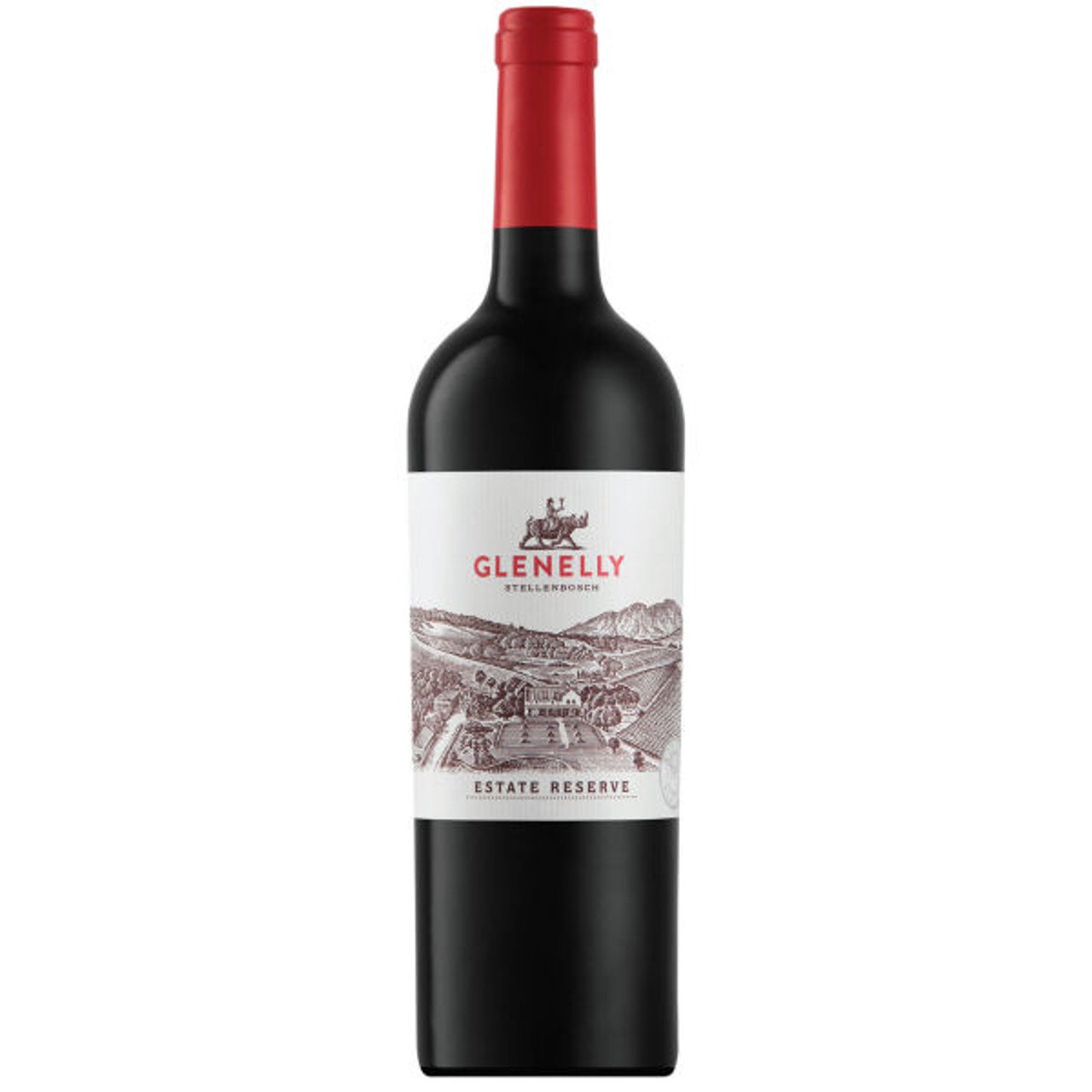
Glenelly Estate in Stellenbosch, South Africa, is an estate winery marrying Bordeaux precision with Stellenbosch granitic terroir. Signature wines include the Glenelly Cabernet Sauvignon, Glenelly Shiraz Reserve and Glenelly Merlot—estate-grown, French oak–aged releases that show concentrated dark-fruit, graphite and saline mineral notes. The estate’s 66 hectares of vineyards on the southern slopes of the Simonsberg produce powerful, elegant vintages; tastings pair vineyard flights with views of the amphitheatre vines and a striking Glass Museum. Critically acclaimed and sought after by collectors, Glenelly delivers layered, cellar-worthy wines with palpable texture and long, structured finishes. < Back Details Glenelly Estate WINERY SUMMARY Glenelly Estate sits within Ida’s Valley in Stellenbosch, where the southern flanks of the Simonsberg shape ripening and flavor concentration. From the tasting room terrace you can feel the thermal shift between warm daytime sun and cool nights—conditions that allow Cabernet, Shiraz and Merlot to build ripe tannin and fresh acidity. Glenelly Estate is a working estate of 128 hectares with roughly 66 hectares under vine, planted on deeply weathered granitic soils estimated at some 280 million years old; that provenance gives the wines a distinct mineral thread alongside concentrated berry and spice. Early-morning light through the amphitheatre-like vineyard rows and the whisper of the mountain create a vivid setting for focused wine tasting and collector visits. May-Eliane de Lencquesaing, who acquired the property in 2003 after decades of Bordeaux experience including stewardship of Château Pichon Longueville Comtesse de Lalande, shaped Glenelly’s production philosophy and international reputation. Her French sensibility—emphasis on balance, minimal intervention and French oak maturation—has guided the cellar program since the first estate harvests in 2007. The winemaking team today continues that approach, favoring natural fermentations, gentle extraction and élevage in fine-grain French oak to refine structure without masking terroir. While specific award records are not detailed in available sources, Glenelly Estate’s releases regularly attract critical attention and allocation lists in international markets, reflecting the estate’s competitive standing among Stellenbosch wine producers. The product journey at Glenelly Estate moves from granite-rich vineyard parcels through a modern cellar completed in 2009 to a careful barrel program. Signature releases include the Glenelly Cabernet Sauvignon—a blend-driven expression emphasizing blackcurrant, graphite and cedar from extended fermentations and 18–24 months in new and used French oak—and the Glenelly Shiraz Reserve, which shows layered black fruit, pepper and floral lift with tight, polished tannins. A Glenelly Merlot bottling presents ripe plum, savory bay leaf and mocha across mid-palate density. The estate also issues limited reserve cuvées and single-vineyard allocations in select years; these limited releases are often distributed via allocation to collectors and wine club members. Wine-making techniques focus on site selection, fractioned fermentations for texture control and élevage schedules tuned to vintage variation, producing wines built for both near-term pleasure and long cellar aging. Visiting Glenelly Estate is an experience of terroir, art and architecture. The winery building—completed in 2009—supports temperature-controlled fermentation and discrete vat handling, while the tasting room frames the amphitheatre vineyard and Simonsberg silhouette. A standout feature is the Glass Museum: more than 500 illuminated glass artworks including pieces by Salvador Dalí and Lino Tagliapietra, which create a multisensory context for tasting. The estate restaurant serves French bistro–style pairings that mirror the Bordeaux-to-Stellenbosch narrative of the wines. Guided tastings typically present verticals or flights of estate bottlings; limited-capacity private tastings and collector visits are available by appointment to ensure focused attention from the cellar team. Best visited in autumn (March–May) and spring (September–November) for optimal vineyard colour and harvest context; reservations are recommended and appointments are common practice. Tastings often require advance booking—especially for private tours, barrel tastings and limited release viewings—so plan ahead. Group visits and wine club allocations are managed through the estate’s reservation channels; note that on-site contact details are limited in public sources, so booking via the official website or through a trusted local concierge is advisable. For collectors and experiential travelers seeking French-influenced Stellenbosch wines, Glenelly Estate presents compelling bottles, panoramic vineyard presence and cultivated hospitality. Reserve time to taste the estate Cabernet and a reserve Shiraz, explore the Glass Museum and ask about limited single-vineyard allocations—Glenelly Estate rewards advance planning and returns measured, cellar-worthy wines. Book early to secure a guided tasting and see the Simonsberg from the estate terrace. REQUEST BOOKING WINEMAKER ACCOLADES JOIN THE CLUB FEATURED GUIDES NEARBY WINERIES 00 Wines 1310 Spirit of the Country Distillery 1404 Manufacturing Distillery 1516 Brewing Company Distillery 2B Hemp Gin Distillery 50 West Vineyards 5020 Koudelka-Sturm Distillery A to Z Wineworks A. Batch Distillery A. Margaine A. Rafanelli Winery ANCAP Alcoholes CONTACT Lelie Street, Idas Valley, Stellenbosch, 7600, South Africa https://glenellyestate.com/ +27218096440
- Gatsios Distillery | | The En Primeur Club
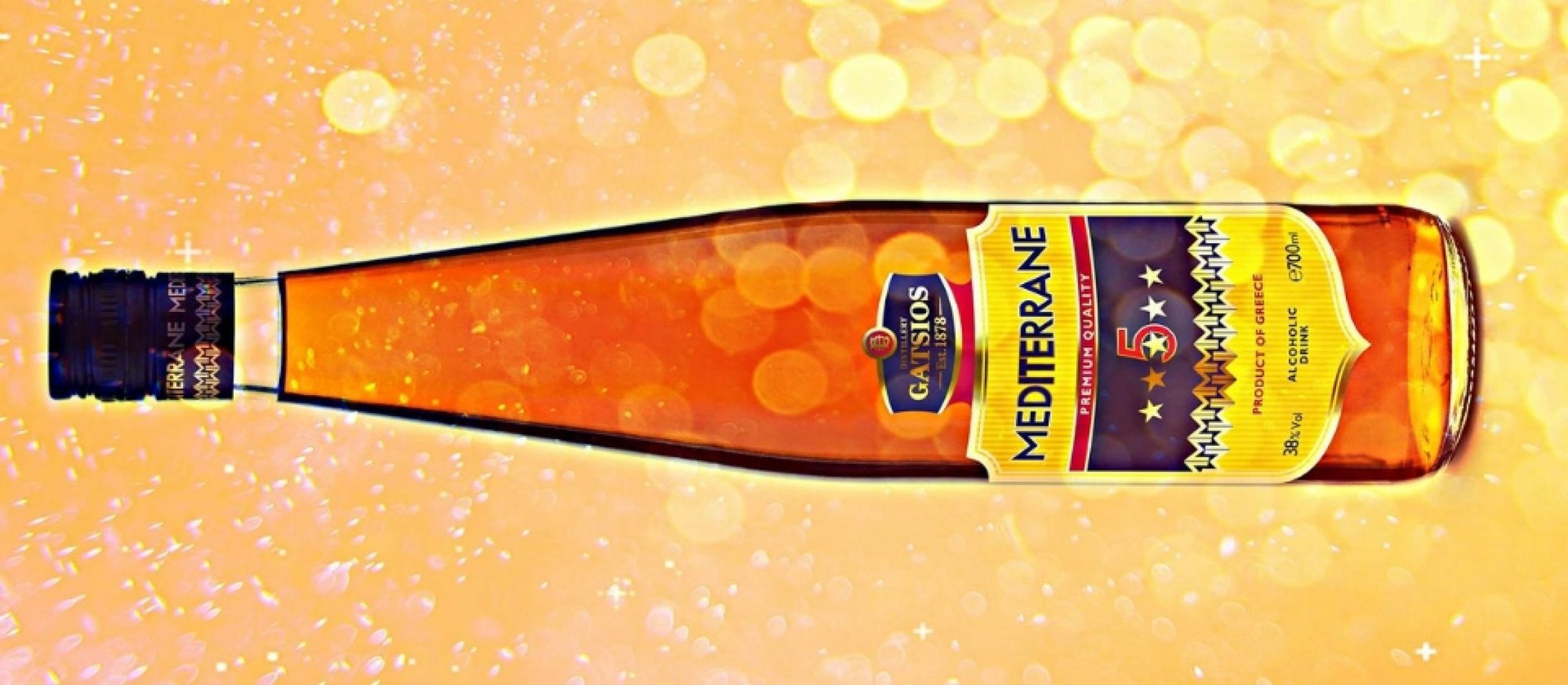
Gatsios Distillery in Epirus crafts time-honored Greek spirits—ouzo, Tsipouro Gatsios (single-variety Muscat Hamburg) and oak-aged brandy—by combining Constantinople recipes with local Epirus ingredients. Founded in 1878 by Thanasis Gatsios and now run by the fourth-generation family production team, the distillery marries traditional distillation with modern facilities, including two bottling lines (6,000 bottles/hour) and French oak maturation. Visitors sample ouzo, tsipouro, mastic and liqueurs in a museum-led tasting that concludes with retail and dining options. International recognition ranges from early 20th-century gold medals (Athens, Marseille, Bordeaux, Liège, Milan, Brussels) to recent bronze awards at the International Wine & Spirit Competition and the European Blind Test. < Back Details Gatsios Distillery WINERY SUMMARY Gatsios Distillery opens with a sensory strike: the bright anise of ouzo, the resinous warmth of tsipouro, and the subtle tannin and vanilla of oak-aged brandy. Gatsios Distillery sits in the Epirus region, near the historic village of Syrrako and the Arachthos River, where mountain air and local botanicals shape spirited expressions. From the first floor of the still house to the barrel rooms, the distillery invites visitors to explore a lineage of recipes that began in Constantinople and were refined in Syrrako beginning in 1878. Expect a distillery tour that answers "How is tsipouro distilled?" and a tasting flight that demonstrates provenance and technique in every glass. The production style balances hand-tended tradition with modern efficiency: small-batch attention to botanicals and large-scale capability in bottling and aging. Heritage and craft are inseparable at Gatsios Distillery. Founded by Thanasis Gatsios in 1878, the operation remains family-owned and operated by the fourth generation, preserving recipes and methods passed down across 140+ years. The production team foregrounds traditional distillation—aromatic botanicals from Constantinople-style recipes merged with local Epirus ingredients—while employing contemporary equipment where it improves consistency and quality. The distillery earned international plaudits early in the 20th century, receiving gold medals in Athens, Marseille and Bordeaux in 1904, Liège in 1905, Milan in 1908 and Brussels in 1930. More recently, Gatsios Distillery secured bronze medals at the International Wine & Spirit Competition and the European Blind Test in 2017, reflecting a legacy that spans both historic fairs and modern judging panels. That combination of legacy and continued recognition defines the house’s philosophy: respect tradition, refine technique, and measure excellence by blind competition. The product journey at Gatsios Distillery emphasizes distinct spirits with clear provenance. Tsipouro Gatsios, distilled from single-variety Muscat Hamburg must, offers floral lift, ripe stone-fruit undercurrents and a clean, persistent finish; it is presented in multiple bottle sizes for domestic and export markets. Ouzo Gatsios follows a classic anise lead, distilled to emphasize fennel, star anise and lemon peel aromatics and finished at a balanced proof for sipping or cocktail use. The house brandy is matured in French oak barrels, lending cedar, vanilla and a rounded structure that suggests both baking spice and orchard fruit; aging durations vary by expression but French oak influence is a constant. Mediterrane 3 Stars, a liqueur blending sweet muscat wine distillate with caramel, vanilla and rose extract, registers deep red color and a fragrant profile of wild flowers and wood. The distillery also produces a mastic liqueur and other flavored expressions, and it operates two modern bottling lines capable of 6,000 bottles per hour—an operational detail that supports allocated limited releases and steady international supply without compromising small-batch character. Visitors encounter an experience shaped for discerning travelers who value narrative as much as flavor. The distillery tour traces the process across the still house, into display barrel rooms and through a small museum that archives labels, awards and original equipment. Tastings are conducted in a dedicated tasting room where staff guide flights of ouzo, tsipouro, brandy and liqueurs, with opportunities to purchase bottles in the on-site retail shop. Dining services extend the tasting with local pairings; while private barrel tastings or blending sessions are not specified in available sources, guests commonly end tours with curated pairings and the chance to learn about bottle aging in French oak. Architecturally the facility combines functional modern production halls with exhibition spaces that highlight family archives and early 20th-century medals. Best times to visit are spring through early autumn when regional travel is easiest and botanical freshness is most evident in tastings; reservations are recommended since guided tastings and museum walkthroughs follow a set itinerary. Tours typically include a production walk and guided tasting; prices and private experiences are not specified online, so booking in advance via the distillery website or by phone is advised. Larger groups should request availability ahead of travel. Gatsios Distillery offers a compelling window into Greek spirits, where a 19th-century Constantinople lineage meets contemporary Epirus provenance. Whether you are seeking a comparative tasting of tsipouro expressions, an introduction to ouzo’s botanical range, or a closer look at French oak influence on brandy, Gatsios Distillery provides context, clarity and a memorable tasting sequence. Reserve a guided tour with Gatsios Distillery to taste history and craft in every glass. REQUEST BOOKING WINEMAKER ACCOLADES JOIN THE CLUB FEATURED GUIDES NEARBY WINERIES I'm an image title Describe your image here. I'm an image title Describe your image here. I'm an image title Describe your image here. CONTACT
- Casa Orendain (La Mexicana) | | The En Primeur Club
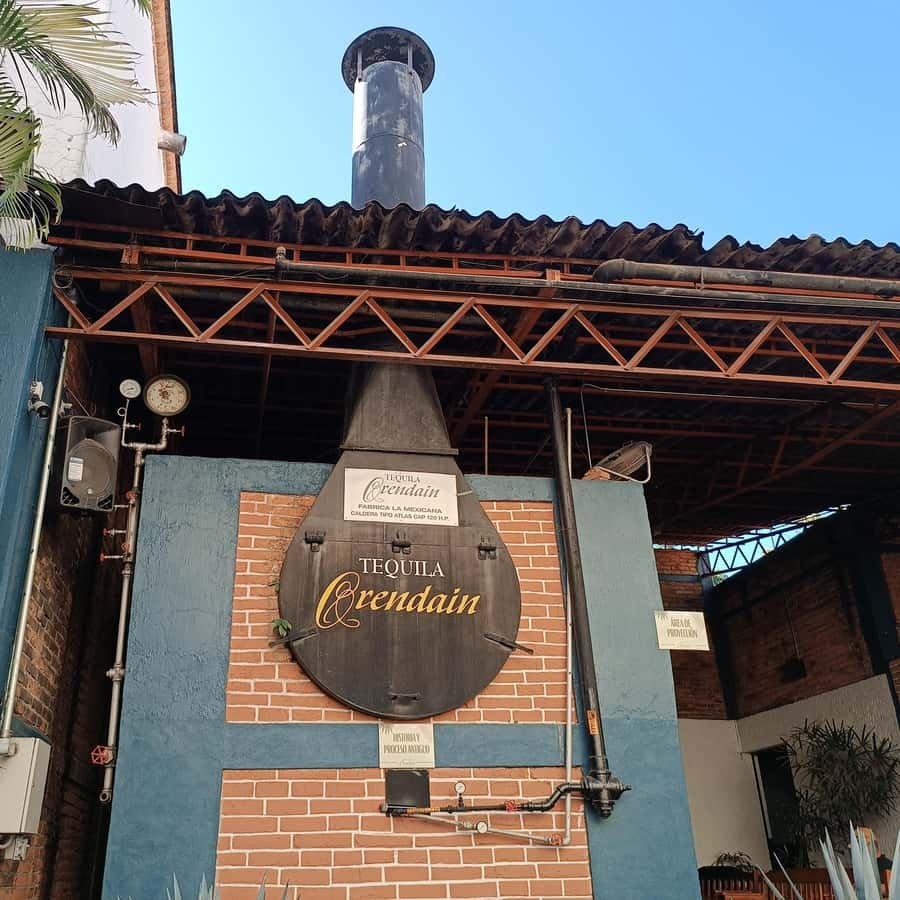
Casa Orendain in Tequila, Jalisco is a family-owned distillery producing 100% blue agave tequilas with a blend of traditional brick-oven cooking and pot-still distillation. Signature expressions include the Orendain 95th Anniversary (10-year oak-aged), Gran Orendain, and Tequila Ollitas (triple-distilled). Celebrated with the Mexican National Quality Prize (1987) and a lineage tracing to 1840 and formal foundation in 1926, Casa Orendain balances artisanal techniques with barrel-aging programs and limited releases. Expect warm notes of baked agave, toasted oak, citrus peel and baking spice across flights, paired with regional nibbles. The distillery’s living history, measured barrels and family stewardship create a tactile, sensory visit for connoisseurs and collectors alike. < Back Details Casa Orendain (La Mexicana) WINERY SUMMARY Casa Orendain sits in the heart of Tequila, Jalisco, and the first sight of La Mexicana’s whitewashed walls and courtyard immediately signals history in motion. At Casa Orendain you can feel volcanic soil in the stories as much as in the glass: blue agave grown in Jalisco’s highlands matures slowly in mineral-rich soils, then moves through brick ovens, slow fermentation and small-batch pot still distillation on the distillery floor. Visitors arrive expecting technique and leave with tasting notes etched in memory—warm caramelized agave, toasted oak, orange peel and a precise mineral finish—because the distillery’s production style is as much about place as it is process. Early sensory impressions—steam rising from a stone oven, the strike of a wooden mash paddle, a barrel’s dry timber scent—frame every tour and tasting at Casa Orendain. The Orendain family’s stewardship is the backbone of the operation. Although production records reference roots to 1840, Casa Orendain was formally established in 1926 by Don Eduardo Orendain González; descendants continue to guide the spirits house. The distillery’s master distillers are family-trained technicians who preserve artisanal methods while integrating modern quality controls, a balance that earned the National Quality Prize from the Mexican government in 1987. That official recognition and decades of international distribution underline Casa Orendain’s competitive position: historic, regulated, and respected. The production philosophy favors provenance—agave sourced from family plots and trusted growers in the Tequila region—paired with deliberate fermentation, pot-still distillation and measured barrel programs to reveal terroir rather than mask it. The product journey at Casa Orendain unfolds across a spectrum of expressions. The Orendain 95th Anniversary is a rare, oak-aged 10-year release that demonstrates extended maturation: slow oxygen exchange in barrels produces a velvety texture, layers of cedar and molasses, and a long, dry finish. Gran Orendain represents the distillery’s flagship 100% agave profile—robust, earthy, with concentrated agave sugars, warm baking spice and structured tannins from seasoned oak. Tequila Ollitas is notable for triple distillation that yields a fresher, cleaner spirit with bright citrus and floral notes while retaining varietal character. Tequila Orendain, a long-standing mixto expression, exemplifies the brand’s historical reach and accessibility in classic cocktails. The Batanga expression is designed with cocktail culture in mind, offering bold, punch-forward flavors for mixed drinks. Limited editions and allocated bottles appear periodically; these releases spotlight older cask selections and anniversary blends that appeal to collectors and private clients. Visiting Casa Orendain is a blend of education and sensorial theater. Guided tours move from the agave fields to the still house, then into barrel storage where the hush of wood and the scent of aging spirits deepen the tasting. The La Mexicana property preserves historic architecture—thick masonry, shaded courtyards and original production rooms—paired with practical modern upgrades that support sanitary distillation and quality control. Tastings typically present curated flights of core and premium expressions, often paired with regional cheeses or citrus to demonstrate how palate modifiers shift perception. Private barrel tastings or small-group masterclasses are offered by appointment and provide a hands-on look at blending and cask selection when available. Best times to visit Casa Orendain are spring and autumn when field activity and milder weather make tours most comfortable; reservations are recommended as tours are likely appointment-only and limited in size. Typical tour durations run 60–120 minutes and include a guided walkthrough, an explanation of brick-oven cooking, fermentation and pot-still distillation, followed by a multi-expression tasting. Expect discretion on public hours and private events—contact via the official site for scheduling and allocation details. For collectors, travelers and spirits aficionados seeking history, craft and provenance, Casa Orendain offers a tactile encounter with tequila’s past and current craft. Plan ahead to reserve a tasting flight, request a preview of limited releases, and allow time to absorb La Mexicana’s courtyard, ovens and barrel rooms. Casa Orendain rewards curiosity with carefully made tequilas, family stories, and expressions that carry Jalisco’s soil to the glass. REQUEST BOOKING WINEMAKER ACCOLADES JOIN THE CLUB FEATURED GUIDES NEARBY WINERIES 00 Wines 1310 Spirit of the Country Distillery 1404 Manufacturing Distillery 1516 Brewing Company Distillery 2B Hemp Gin Distillery 50 West Vineyards 5020 Koudelka-Sturm Distillery A to Z Wineworks A. Batch Distillery A. Margaine A. Rafanelli Winery ANCAP Alcoholes CONTACT Ramón Corona 61, Col. Centro CP 44600, Tequila, Jalisco, Mexico https://www.destileriaorendain.com/la-mexicana +523747420208
- Takamaka Rum | | The En Primeur Club
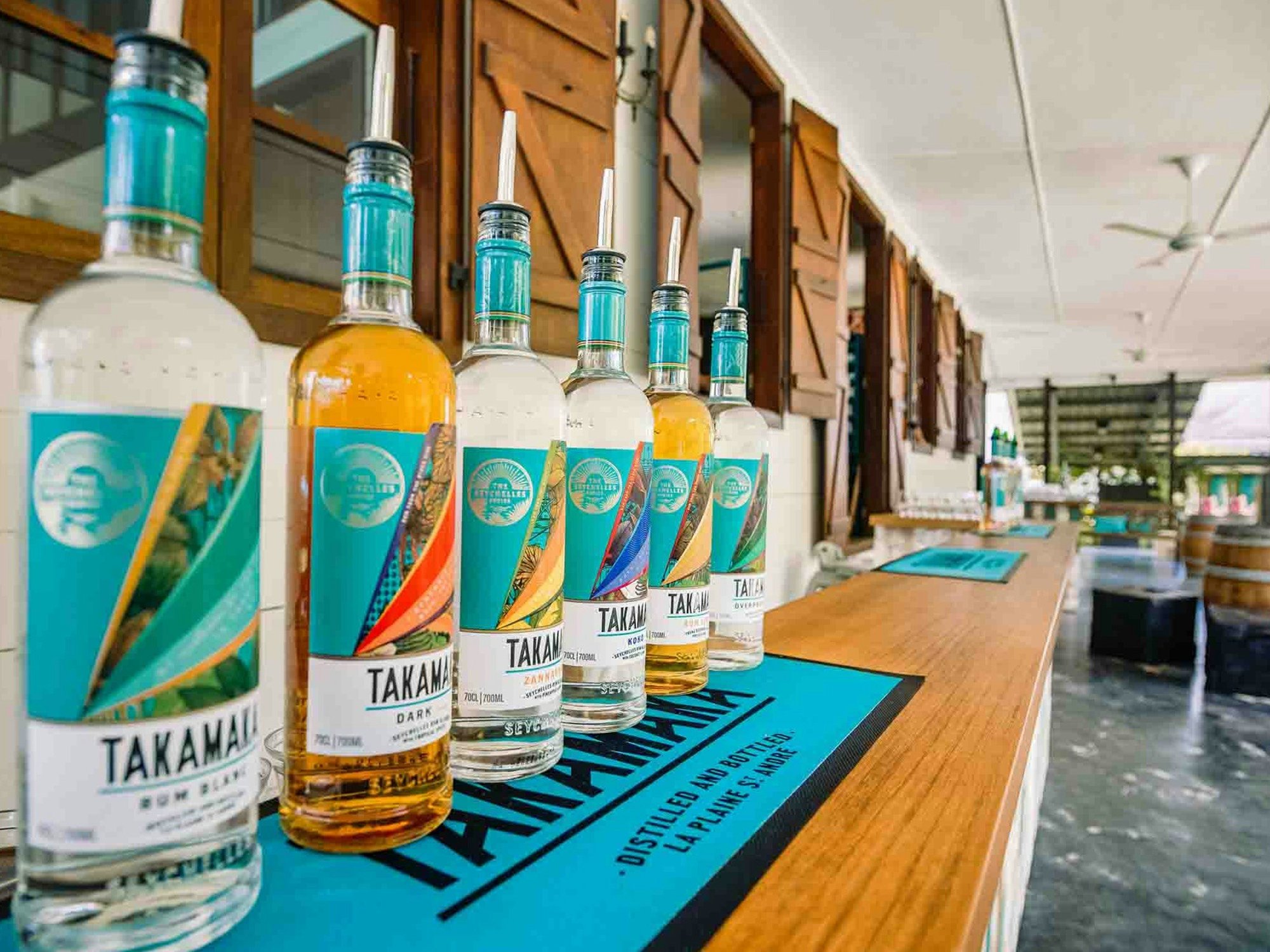
Takamaka Rum in Seychelles crafts island-driven cane and molasses spirits that marry traditional pot- and column-still distillation with modern innovation. Signature expressions include Cane Rum, Molasses Rum (with an 8-year Bajan blending component), and the mechanically aged Pressed Rum — each shaped by Mahé’s granitic soils, spring water, tropical barrel maturation and hydrodynamic cavitation. The distillery’s unique selling proposition is terroir-led rum from local cane varietals combined with a decade-long technical partnership with Barbadian blender Richard Seale. Expect raw sugar and floral top notes, sun-baked soil and vanilla-rich oak, finished with salted-tropical fruit and warm spice — a sensory portrait of the Indian Ocean. < Back Details Takamaka Rum WINERY SUMMARY Takamaka Rum is located on La Plaine St Andre in Anse Royale on Mahé, Seychelles, where the ocean air and granitic soils directly inform every expression. At the distillery, cane juice and molasses meet spring water drawn from protected parklands, and the still house alternates between traditional pot distillation and modern continuous column runs to produce both delicate cane-juice rums and robust molasses-based blends. Early-morning light filters across rows of stainless steel and copper trays, while barrels in warm, humid rickhouses develop accelerated tropical maturation; visitors can taste raw sugar, floral grassiness, sun-baked earth, vanilla and butterscotch in a single flight that reads like the island itself. Takamaka Rum positions its spirit as place-driven, inviting curious travelers on a Seychelles distillery tour to experience provenance in the glass. Founded nearly twenty years ago by brothers Richard and Bernard d’Offay, Takamaka Rum grew from a family ambition to restore sugar cane cultivation across neglected plots and to stabilize local livelihoods. The distillery’s production philosophy balances island terroir with technical collaboration: a decade-long relationship with Barbadian rum maker Richard Seale of Foursquare informs blending and maturation choices without erasing local character. The production team uses local cane varietals — including kann rouz and kann blan — pest-free cultivation, and natural spring water for fermentation lasting roughly three and a half days before distillation. Awards are not central to their messaging; instead Takamaka emphasizes measurable craft investments such as hydrodynamic cavitation, stainless-and-copper column trays that reduce sulfurous notes, and a growing barrel inventory aimed at maturing 100,000 litres. These tangible facts underscore why collectors and bartenders look to Takamaka Rum for island-driven expressions. The product journey at Takamaka Rum moves from field to cask with clearly defined technical choices. Molasses rums are blended with an 8-year-old Bajan component to add backbone and tropical fruit complexity, while the cane-juice expressions retain floral, grassy and raw-sugar elements from Seychelles-grown stalks. Aging takes place in French and American oak, ex-bourbon and ex-ruby port casks; under tropical conditions, barrels yield rich vanilla, butterscotch and fruit-forward profiles in a fraction of temperate maturation time. Innovation is visible in the Pressed Rum program: hydrodynamic cavitation and wood-fine infusion accelerate molecular changes to emulate barrel-derived caramel and vanilla, producing a mechanically aged expression with intensified mid-palate weight. Limited or allocated releases are primarily vertical cask and mechanically aged experiments rather than broad-branded annual vintages; collectors should expect small-batch runs and occasional cask-strength offerings as the expanded warehouse program comes online. While Takamaka Rum’s public tasting-room details are not published online, the estate offers immersive spirits tastings and technical tours by reservation through the distillery team; guests can sample a flight that contrasts cane juice and molasses expressions, taste from barrel heads, and learn blending rationale informed by the Seale collaboration. The distillery architecture at La Plaine St Andre emphasizes function: a still house with both pot and continuous columns, a barrel warehouse exposed to tropical humidity for rapid oak extraction, and adjacent plots where the distillery plans a 7.4-acre cane planting to increase vertical integration. Expect a hands-on atmosphere rather than a formal estate restaurant; the nearby coastline and Mahé’s tourism infrastructure make combined beach and distillery days practical. The best times to visit Takamaka Rum are weekday mornings and late afternoons to avoid peak travel crowds; advance booking is recommended because tasting capacity, technical sessions and private barrel samplings are limited and often coordinated with the production team. Tours may include comparative flights, press-rum demonstrations and discussions about sustainable cane cultivation. For travelers seeking island provenance, Takamaka Rum offers a distinct distillation of place: book a tasting with the Takamaka Rum team and taste Mahé’s granitic soil, tropical sun and maritime air in every expression. REQUEST BOOKING WINEMAKER ACCOLADES JOIN THE CLUB FEATURED GUIDES NEARBY WINERIES I'm an image title Describe your image here. I'm an image title Describe your image here. I'm an image title Describe your image here. CONTACT La Plaine St. Andre, E Coast Road, Anse Royale takamakarum.com +248 428 3737
- Villa de Varda | | The En Primeur Club
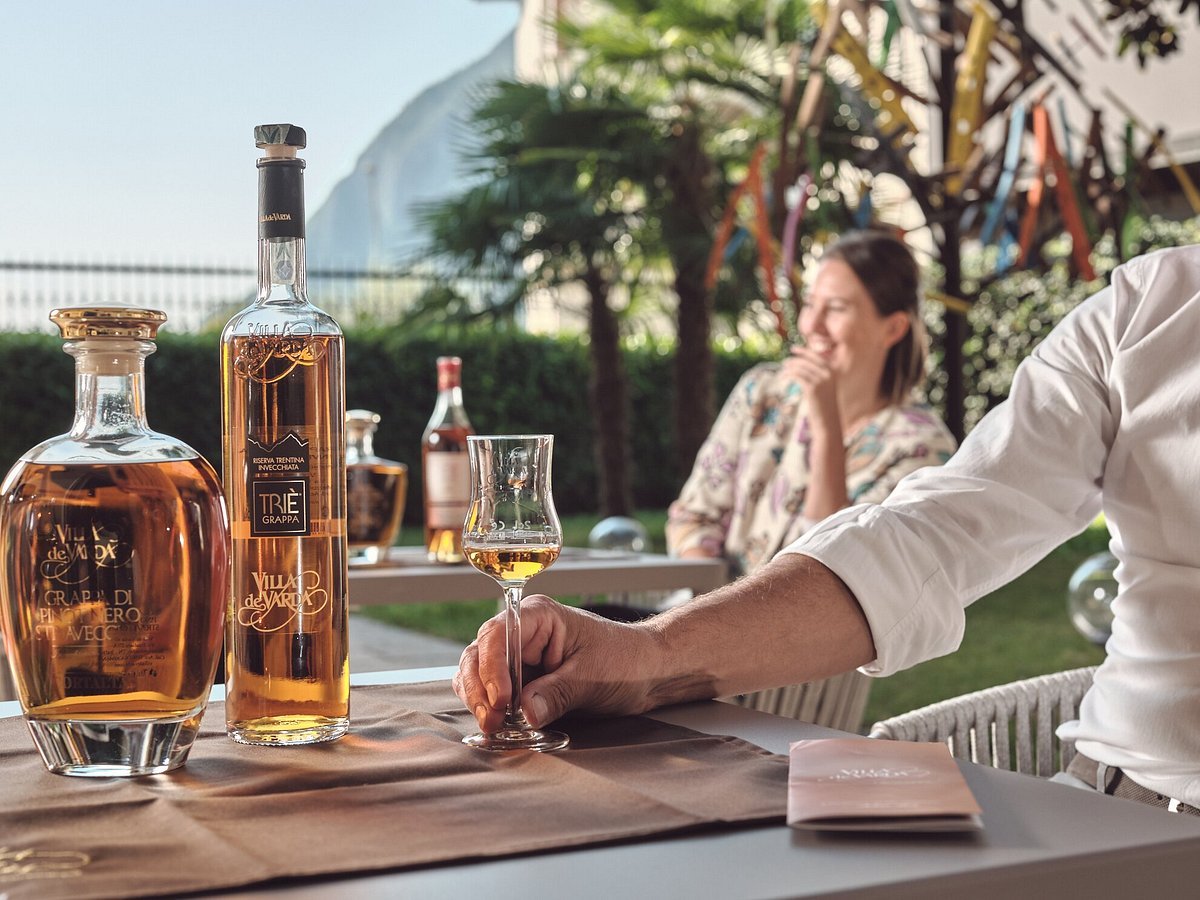
Villa de Varda in Mezzolombardo, Trentino is a heritage distillery producing artisanal grappa and Italian mountain whisky. Signature expressions include Grappa Riserva Vecchia, Mauro Dolzan Selection and the Vibrations Extravecchia aged in Val di Fiemme spruce. The Dolzan family marries copper alembic distillation with high-altitude barley and rye, delivering spirits that show alpine resin, toasted oak, green apple, and warm spice. Visits move from the still house to a centuries-old barrel cellar and a museum of 1,600 antique tools and 280 documents, creating a tactile, sensory narrative of Trentino craft and terroir. Tastings are intimate and educational; advanced booking is recommended for weekend appointments. < Back Details Villa de Varda WINERY SUMMARY Villa de Varda sits in Mezzolombardo at the heart of the Piana Rotaliana, where the Dolomites’ sunlight and Lake Garda’s breezes shape alpine grain and grape character. Step into the still house and you feel the heat of copper alembic stills that have been central to the family’s craft since Romedio Dolzan began distilling in the early 1800s. Villa de Varda channels that lineage into contemporary spirits: small-batch grappa distilled from Trentino pomace and an experimental line of Italian mountain whisky made from barley and rye grown at altitude. The sensory pull is immediate — resinous spruce notes, orchard fruit, toasted wood and a mineral lift that speaks of valley air and steep slopes. If you search for an educational distillery tour in Trentino that pairs history with tasting, Villa de Varda answers with concrete, hands-on moments and precise tasting flights within the first hundred words of your plan. The distillery’s stewardship is family-driven. Today Luigi Dolzan, together with his wife Clara and sons Michele and Mauro, carries a six-generation practice that blends inherited technique and iterative innovation. The estate preserves a nationally significant collection of 1,600 antique tools and 280 archival documents that trace local agricultural life from the 17th century; the property itself ties to the noble de Varda family since 1678. Production philosophy privileges provenance and time: grape pomace from local vineyards moves to batch distillation in historic copper alembic stills, while barley and rye for the whisky are selected for high-altitude character. Villa de Varda emphasizes slow distillation, careful proofing, and wood-led maturation — including rare Val di Fiemme spruce — rather than industrial speed. While formal international awards were not listed in the provided sources, the distillery’s reputation rests on unique alpine techniques, documented heritage and specialist releases that appeal to connoisseurs and collectors. The product journey at Villa de Varda is tactile and filamented with detail. Grappa Riserva Vecchia is a barrel-aged expression distilled from selected pomace, resting in mixed oak and rare spruce for depth: expect full-bodied structure, dark spice, dried fruit and a persistent, warm finish. The Mauro Dolzan Selection represents curated barrel choices — longer maturation and cross-wood finishes that yield smoother texture, vanilla-laced mid-palate and a long, dry close. Vibrations Extravecchia is notable for exclusive Val di Fiemme spruce barrique aging, which imparts resinous, alpine-citrus and pine resin notes that are uncommon in grape-based spirits. Villa de Varda’s Italian Mountain Whisky line showcases single-grain and blended experiments from high-altitude barley and rye; malting and mashing occur on-site or locally, with the resulting new make spirit matured in oak and experimental casks to highlight terroir-driven cereal character and mountain air oxidation. Limited editions and seasonal releases are part of the program; collectors should inquire about allocations and single-barrel availability during visits. Visitor experiences are designed to educate and enchant. Tours commonly last 1–2 hours, beginning in the still house, moving through the potstill room and concluding in the villa’s oldest cellar where barrels rest and the aroma of wood and spirit converge. The on-site “Cose di Casa” museum frames tastings with 1,600 tools and 280 documents, lending the tasting room a museum-like quality that reinforces provenance. Atmosphere leans intimate and instructive rather than theatrical: polished wood, exposed stone, copper gleam and the quiet of a historic villa adapted for craft production. Private tours, blending sessions, and workshops are available by request; the Whisky Discovery option — a focused tasting of multiple mountain whiskies — is a structured way to compare grain bills and aging. Plan visits Monday–Friday during normal hours, with Saturday tours by appointment only; walk-ins may be possible on weekdays. General distillery tours include grappa and whisky flights and last about one to two hours. The Whisky Discovery experience lists a nominal fee (€20/person in sourced notes), while comprehensive or private sessions should be reserved in advance to secure limited weekend slots. Villa de Varda rewards travelers who value lineage, material culture and the patient art of wood aging. Whether you arrive seeking a deep-dive into copper pot distillation, a side-by-side tasting of alpine whiskies, or a close encounter with centuries of Trentino documents and tools, Villa de Varda provides sensory specificity and family-led hospitality. Reserve a guided visit at Villa de Varda to taste expressions shaped by Val di Fiemme spruce, high-altitude grain, and more than two centuries of meticulous craft. REQUEST BOOKING WINEMAKER ACCOLADES JOIN THE CLUB FEATURED GUIDES NEARBY WINERIES I'm an image title Describe your image here. I'm an image title Describe your image here. I'm an image title Describe your image here. CONTACT Via Rotaliana 27/a, 38017 Mezzolombardo (TN), Italy https://www.villadevarda.com/ +390461601486
- Antica Distilleria Petrone | | The En Primeur Club
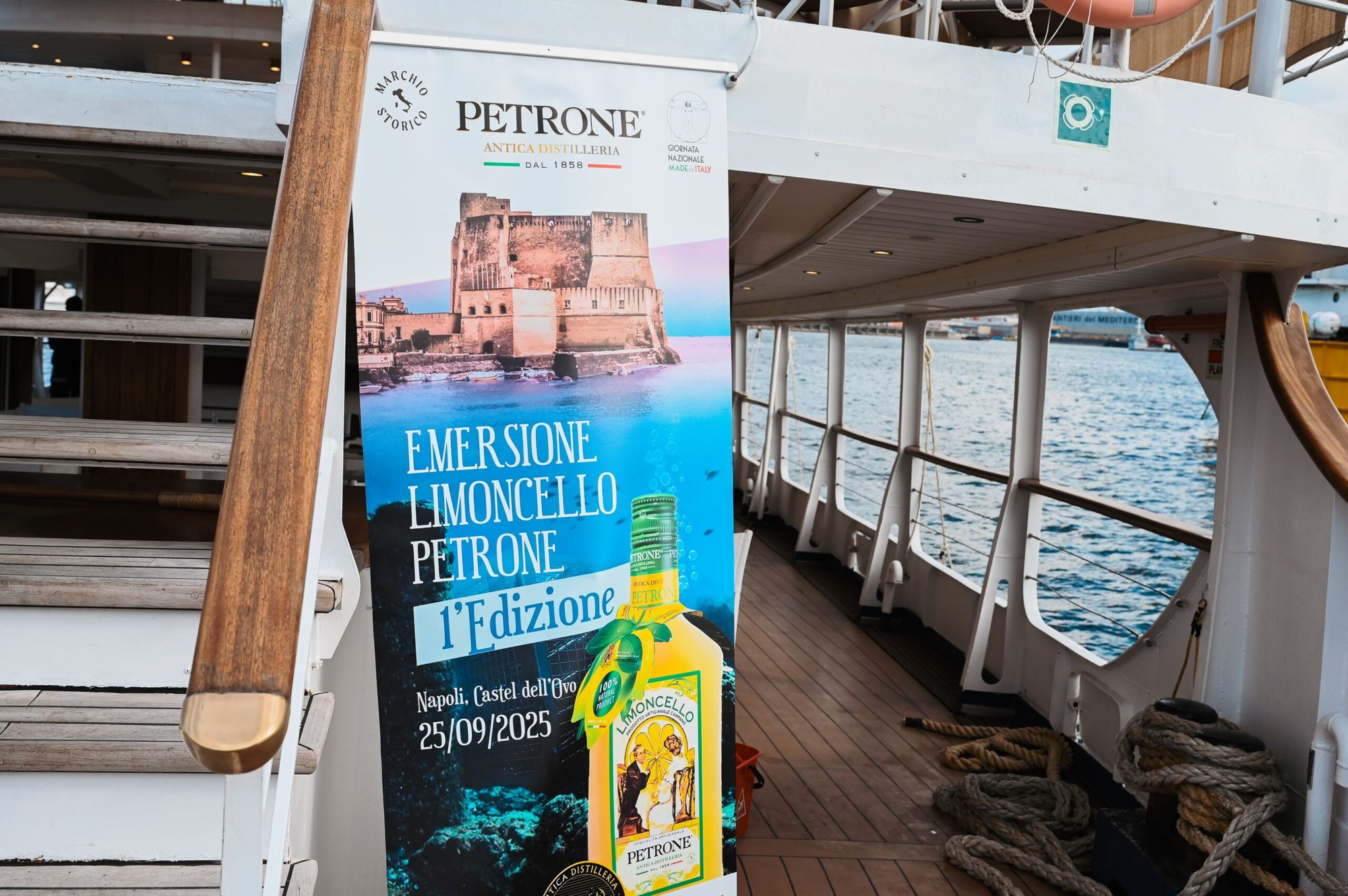
Antica Distilleria Petrone in Mondragone, Campania produces small-batch, tradition-driven spirits with modern technique. Founded in 1858, the fifth-generation distillery is known for its underwater-aged Limoncello, the barrique-aged Elixir Falernum and the Guappa Biancamela cream liqueur. The house marries Neapolitan heritage with innovations — including the world-first underwater aging experiment in 2021 — yielding bright citrus, saline sea air, toasted oak and layered herbal bitters in each expression. Visitors can expect refined, educational tastings that highlight texture, acidity and age-driven nuance, presented with Italian design flair and culinary collaborations. < Back Details Antica Distilleria Petrone WINERY SUMMARY Antica Distilleria Petrone sits in Mondragone, Campania, and its name signals more than a place: it announces a 166-year lineage of southern Italian spirit making. Walk into the address on Via Generale Giardino and you feel coastal air meet the warm, oaky scent of casks; Antica Distilleria Petrone produces artisan liqueurs and spirits that reflect local citrus, forest fruits and time-honored recipes. The distillery's production team blends traditional distillation with experimental aging techniques — most famously the underwater aging of Limoncello in 2021 — making each visit an education in provenance, technique and taste. Founded in 1858 by Domenico Petrone and now stewarded by the fifth generation, Antica Distilleria Petrone combines family continuity with inventive craft. The distillery's history includes an elixir created for the Bourbon Royal House that evolved into today’s AmaRè, a sign of deep regional ties and historical prestige. The production philosophy privileges small-batch recipes, local ingredients and meticulous aging: brandy components of the Elixir Falernum spend three years in barrique before fruit infusion and a further six to nine months of maturation. Collaborations with chef Rosanna Marziale and design work with Giugiaro Architettura underline a commitment to gastronomic and visual excellence rather than mass production. The product journey at Antica Distilleria Petrone is defined by clarity of method and distinctive expressions. The underwater-aged Limoncello, first trialed in 2021, spent months submerged in the Gulf of Naples; the resulting bottle shows amplified brightness, delicate saline notes and an integrated mouthfeel rarely achieved in citrus liqueurs. Elixir Falernum begins with a three-year barrique-aged brandy base, then is infused with forest fruits and aged an additional six to nine months, producing layered aromas of toasted wood, dried fruit and spice that make it ideal as a dessert companion or contemplative digestif. Guappa Biancamela — created with Rosanna Marziale — is a cream liqueur that balances dairy texture with orchard-fruit freshness and subtle spice, designed for both sipping and culinary pairing. AmaRè, rooted in a nineteenth-century royal elixir, presents bitter-herbal complexity and persistent finish, a bridge between historical recipe and modern palate. Limited underwater releases (approximately 450 bottles resurfaced after a one-year submersion experiment) and small production runs mean several expressions are allocated and appear sporadically, underscoring the collectible nature of certain bottlings. Visiting Antica Distilleria Petrone is a sensory itinerary. The distillery floor and cask stores—while modest compared with industrial houses—offer hands-on insight into distillation, infusion and aging. The tasting environment leans toward refined education: expect guided flights that contrast fresh versus aged expressions, explanations of barrique influence, and demonstrations of the underwater-aging concept. Architectural and design touches from Giugiaro Architettura provide contemporary Italian style amid historic walls, and collaborative menus highlight how the spirits pair with regional cuisine. While the exact tasting-room layout and capacity vary, the setting prioritizes intimacy, tactile learning and curator-led sampling rather than high-volume walk-ins. Best times to visit are spring through early autumn when coastal Campania is at its most temperate; prior reservation is recommended because several bottlings are small-batch and tastings often require appointment. Tours and tastings are typically arranged directly through the distillery's contact channels; private sessions and allocated bottle purchases may be available by request. Antica Distilleria Petrone favors scheduled, focused visits to preserve the quality of each experience. If you seek coastal Italian spirits shaped by history and experimental craft, plan a visit to Antica Distilleria Petrone. The distillery's blend of nineteenth-century origins, the production team's technical curiosity and signature expressions — underwater-aged Limoncello, barrique-aged Elixir Falernum and Guappa Biancamela — make it a distinct stop on any Campania spirits itinerary. Book early to taste allocated releases and to encounter a living chapter of Neapolitan distillation. REQUEST BOOKING WINEMAKER ACCOLADES JOIN THE CLUB FEATURED GUIDES NEARBY WINERIES 00 Wines 1310 Spirit of the Country Distillery 1404 Manufacturing Distillery 1516 Brewing Company Distillery 2B Hemp Gin Distillery 50 West Vineyards 5020 Koudelka-Sturm Distillery A to Z Wineworks A. Batch Distillery A. Margaine A. Rafanelli Winery ANCAP Alcoholes CONTACT Via Generale Giardino, 49, 81034 Mondragone (CE), Italy https://www.distilleriapetrone.it/ +390823978047
- Weatherborne Wine | | The En Primeur Club
Weatherborne Wine in Philo, Anderson Valley produces small-batch, minimalist Pinot Noir and cool-climate varietals. The cellar-led portfolio includes the Weatherborne Sta. Rita Hills Pinot Noir (2012, 90 points), focused single-vineyard Pinot Noir releases, and limited Grenache and Chenin Blanc bottlings. Winemaker Chris Carter favors whole-cluster fermentation, minimal new oak and unfined, unfiltered bottlings that preserve bright acidity, spice and saline minerality. Tastings are intimate and educational—flights typically sample the Pinot Noir and seasonal releases—while Sunday Open Houses pair fresh raw oysters with curated wines. Reservations are recommended for the $25 tasting and for special events; bottles retail from modest price points with allocated releases for collectors and visitors. < Back Details Weatherborne Wine WINERY SUMMARY Weatherborne Wine sits on Philo’s cool ridge within Anderson Valley, a region defined by fog-driven diurnal swings and crystalline acidity. Weatherborne Wine opens with a precise focus: cool-climate Pinot Noir and a small circle of expressive varietals shaped by vintage weather rather than heavy manipulation. Step into a tasting flight here and you meet wines that show clarity of fruit, a peppery spine and coastal acidity—the very traits that garnered the Weatherborne Sta. Rita Hills Pinot Noir (2012) a 90-point score and attention from critics. This Anderson Valley winery positions terroir before technique, inviting visitors to taste the place in every glass while learning about minimalist winemaking from a hands-on producer. Chris Carter founded and operates Weatherborne Wine with a tight, artisanal approach: organic-sourced fruit, whole-cluster fermentation and restrained use of new oak. Carter’s philosophy centers on transparency in the cellar—wines are unfined and unfiltered, vegetarian and vegan friendly—and the production methods emphasize structure without weight. That exacting, low-intervention ethos helped the 2012 Sta. Rita Hills Pinot Noir achieve a 90-point review from The Prince of Pinot and prompted the Daily Wine Dispatch to call the operation a winemaker to watch. Weatherborne Wine remains small in scale by design; Chris Carter runs most cellar work himself, prioritizing single-vineyard character and vintage clarity over volume or flashy extraction. The product journey at Weatherborne Wine reads like a study in place. The Sta. Rita Hills Pinot Noir (2012) is a concrete example: sourced 72% from John Sebastiano and 18% from Kessler-Haak vineyards, matured in neutral oak with roughly 25% whole-cluster fermentation to introduce spice, stem-driven tannin and savory complexity. The bottle shows spiced dark fruits, cherry, black raspberry, anise and faint smoky oak—an illustrative profile of restrained aging and vineyard definition. Beyond that signature Pinot, Weatherborne’s portfolio rotates through single-vineyard Pinot releases and limited Grenache, Grenache Blanc, Chenin Blanc, Roussanne and Rosé bottlings. Winemaking practices—small stainless fermenters, whole-cluster lots, neutral barrel aging—are repeated across the range to protect acidity and aromatic purity. Releases are limited and sometimes allocated; price points historically sit in the modest-to-moderate range (example: $35 for the 2012 Pinot), making Weatherborne’s wines accessible but collectible for enthusiasts who value provenance and vintage nuance. Visiting Weatherborne Wine is an intimate experience rather than a staged tourist attraction. The tasting counter in Philo is relaxed and instructive: expect concise flights led by staff or the winemaker when available, clear explanations of vineyard sourcing, and an invitation to taste barrel samples or recent bottlings when logistics allow. The tasting room accepts dogs and children, and special events—most notably the Sunday Open House—feature a fresh oyster bar paired with a rotating selection of Chenin, Grenache and Pinot flights. The site’s small cellar and barrel storage reflect the winery’s limited production; architecture is functional and unpretentious, designed to foreground conversation about fermentation choices, whole-cluster percentages and barrel aging rather than theatrical presentation. Best times to visit are weekends—Friday and Saturday from noon to 5pm, Sunday from 11am to 4pm—when the tasting room staff curate flights and the Sunday Open House runs. Tastings are priced at $25 per person outside festival events, and reservations are recommended due to limited seating and allocated releases; no direct booking link is listed, so visitors should call 707-684-5299 or use the Weatherborne website to arrange visits. Private tastings and small-group appointments are possible with advance notice, especially during harvest windows or advance-release weekends. For travelers seeking wines that reflect fog, slope and season rather than cellar intervention, Weatherborne Wine delivers concise, terroir-forward expressions and a thoughtful tasting experience in Anderson Valley. Sample the single-vineyard Pinot flights, ask about whole-cluster lots and reserve a Sunday Open House to pair raw oysters with crisp Chenin—then secure your tasting reservation with Weatherborne Wine to experience a craft-driven producer where the weather and place steer every bottle. REQUEST BOOKING WINEMAKER ACCOLADES JOIN THE CLUB FEATURED GUIDES NEARBY WINERIES 00 Wines 1310 Spirit of the Country Distillery 1404 Manufacturing Distillery 1516 Brewing Company Distillery 2B Hemp Gin Distillery 50 West Vineyards 5020 Koudelka-Sturm Distillery A to Z Wineworks A. Batch Distillery A. Margaine A. Rafanelli Winery ANCAP Alcoholes CONTACT 8750 Philo School Rd, Philo, CA 95466, United States https://weatherborne.com +17076845299
- Artesa Vineyards and Winery | | The En Primeur Club
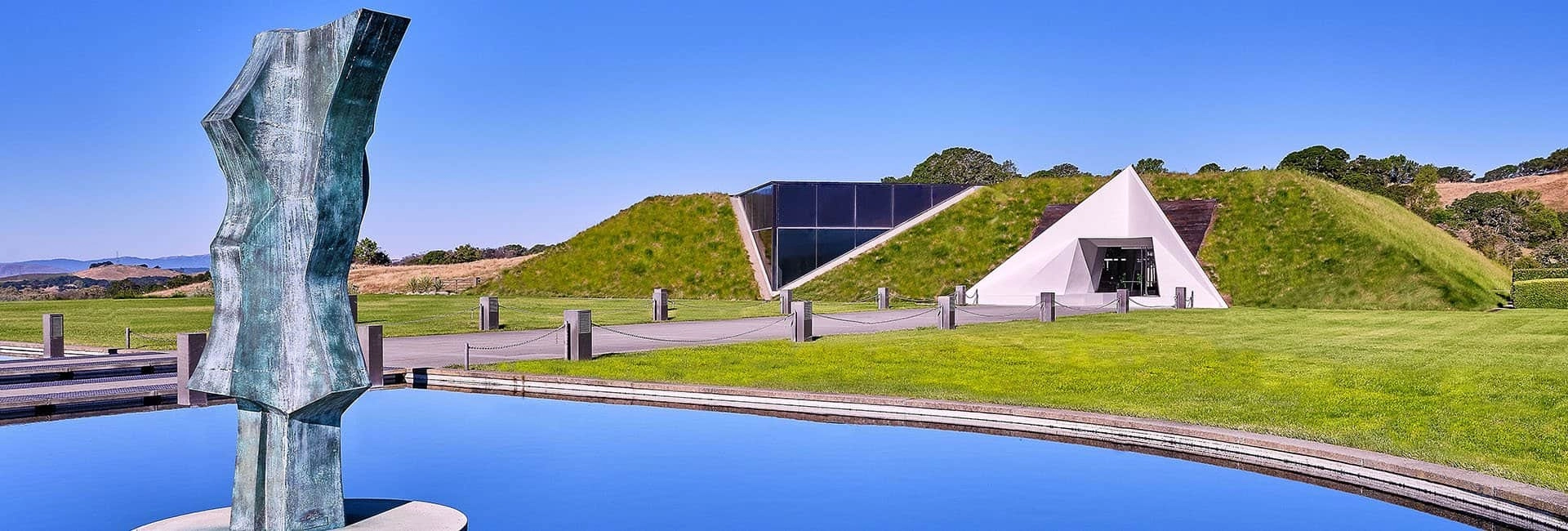
Artesa Vineyards transforms 350 acres of prime Carneros hillside into sophisticated Pinot Noir, Chardonnay, and Cabernet Sauvignon from their striking modernist winery, where Spanish heritage meets California innovation under winemaker Ana Diogo-Draper's expert direction. < Back Napa Valley Artesa Vineyards and Winery WINERY SUMMARY Where Spanish heritage meets Californian innovation, Artesa Vineyards and Winery commands a dramatic hilltop position in Carneros, creating wines that capture the maritime essence of this coveted Napa Valley appellation. The winery's modernist architecture, carved seamlessly into the landscape, signals a philosophy where Old World tradition embraces New World possibility. Founded on the vision of merging Spanish winemaking heritage with Carneros terroir, Artesa has evolved under the expert guidance of winemaker Ana Diogo-Draper, whose technical precision and artistic sensibility define the estate's contemporary identity. The 350-acre property spans the steep foothills of Mt. Veeder, where rocky clay-loam soils and cooling marine breezes from San Pablo Bay create ideal conditions for both Burgundian varietals and Bordeaux classics. This unique positioning allows Artesa to excel across multiple varietals, from cool-climate Pinot Noir and Chardonnay in the lower elevations to concentrated Cabernet Sauvignon on the sun-drenched upper slopes. Artesa's portfolio showcases this terroir diversity through meticulously crafted wines that balance power with elegance. The estate's Carneros Pinot Noir demonstrates the appellation's capacity for producing silky, complex reds, while their Chardonnay offerings range from crisp, mineral-driven expressions to richly textured barrel-fermented selections. The Cabernet Sauvignon, sourced from the property's highest elevations, delivers the intensity and structure expected from premium Napa Valley fruit. Each wine reflects Ana Diogo-Draper's commitment to expressing site-specific character through careful vineyard management and precise winemaking techniques, positioning Artesa's releases as collectible expressions of Carneros terroir. The winery experience centers around Barcelona architect Domingo Triay's striking facility, where underground caves and panoramic tasting rooms offer visitors dramatic views across Napa Valley and San Pablo Bay. The modernist structure, built into the hillside, creates an immersive environment where architecture and landscape merge. Tastings showcase the estate's terroir-driven portfolio while educating guests about Carneros' unique position as a bridge between Napa and Sonoma counties. The facility accommodates both intimate tastings and private events, with experiences tailored to highlight the connection between place, process, and final wine. Artesa Vineyards represents Carneros winemaking at its most sophisticated, where Spanish heritage and Californian innovation create wines worthy of the most discerning cellars. Contact the estate directly to arrange tastings and discover why collectors increasingly recognize Artesa as Carneros' most compelling terroir expression. REQUEST BOOKING WINEMAKER Ana Diogo-Draper ACCOLADES (2025) Pearl 3 Star Prestige JOIN THE CLUB FEATURED GUIDES NEARBY WINERIES 00 Wines 1310 Spirit of the Country Distillery 1404 Manufacturing Distillery 1516 Brewing Company Distillery 2B Hemp Gin Distillery 50 West Vineyards 5020 Koudelka-Sturm Distillery A to Z Wineworks A. Batch Distillery A. Margaine A. Rafanelli Winery ANCAP Alcoholes CONTACT 1345 Henry Rd, Napa, CA 94559, United States https://www.artesawinery.com +17072002038
- Clos Mogador | | The En Primeur Club
Clos Mogador in Gratallops, Priorat is a family-owned estate producing terroir-driven wines from licorella soils. Signature bottlings include Clos Mogador, Clos Manyetes and Clos Nelin, each aged in French oak and crafted from estate fruit. Renowned founder René Barbier helped put Priorat on the global map; today the estate, led by winemaker Roger Guinau Selles, focuses on low yields, old-vine Cariñena and concentrated, mineral-driven expression. Expect intense black-fruit perfume, slate-mineral lift and velvety tannins that signal wines built for cellar and immediate sensory impact. < Back Details Clos Mogador WINERY SUMMARY Clos Mogador sits above the village of Gratallops, where the slate-strewn amphitheater of Priorat shapes every grape, and the estate’s name appears on the first page of the region’s modern renaissance. Walking the terraces you feel the sun-baked licorella underfoot and inhale a mineral perfume that carries into the cellar; Clos Mogador captures that sense of place in every bottle. The estate farms 13 hectares of terraced vineyards, including vines of Cariñena approaching 80 years old, and produces concentrated, small-batch wines that reflect Gratallops’ steep slopes and unique microclimate. Visitors to Clos Mogador encounter wines with palpable slate, ripe dark fruit and a saline, volcanic backbone that defines Priorat. René Barbier, who purchased the first vines in 1979, is the visionary whose work with local growers and French varietals helped elevate Priorat to DOQ status; his legacy remains central to Clos Mogador’s identity. Today the production team is led by winemaker Roger Guinau Selles, who continues a low-intervention approach focused on hand harvesting, careful sorting and a mix of stainless, concrete and oak vinification. Clos Mogador is recognized across wine circles as a benchmark estate of the Priorat renaissance rather than a trophy winery by score alone; the house emphasizes vineyard expression, old-vine character and measured oak rather than manipulation. Annual Priorat production sits around 33,000 bottles for the estate range, with Manyetes produced in particularly limited quantities due to its exacting site conditions. The product journey at Clos Mogador begins on slate terraces and ends with wines that age gracefully. The flagship Clos Mogador is a blend of Garnacha, Cabernet Sauvignon, Syrah and Cariñena matured in French oak; expect layered black-cherry and cassis notes, graphite minerality and fine-grained tannins. Clos Manyetes, the single-vineyard expression dominated by old-vine Cariñena, yields concentrated dark-plum intensity, iron-mineral lift and 14 months of French oak integration; production is intentionally capped and release quantities are limited. Clos Nelin, the estate white, blends Garnacha Blanca, Viognier and Pinot Noir to deliver textured citrus, floral incense and a stony finish uncommon for the region. Fermentations are predominantly native or low-intervention, with aging focused in French oak to preserve fruit while adding structure; vertical drinking windows are long, and the cellar keeps select vintages for estate allocation and special releases. Tasting Clos Mogador is a focused, sensory experience rather than a casual drop-in. While specific public tasting-room programs are not published, the estate’s scale and production style suggest intimate, appointment-only visits and curated flights that emphasize verticals and single-vineyard comparisons. The architecture is functional and vineyard-facing, with barrel rooms and concrete vats that speak to modern Priorat winemaking grafted onto medieval terraces. A visit often feels private: steep vineyard walks, close encounters with old-carinyena vines and a chance to taste both current releases and reserve bottlings. Expect earnest hospitality from the family and cellar team, and the opportunity—on request—to discuss harvest decisions, oak regimes and bottling philosophy with the winemaker or cellar representatives. Best times to visit are spring and autumn; harvest months (September–October) offer the most active behind-the-scenes view but require advance booking. Clos Mogador recommends scheduling visits through the official website or by phone to secure a private tasting—limited allocations and production mean tours can fill quickly, especially for Clos Manyetes verticals. Public hours are not listed online; plan for an appointment and allow 90–120 minutes for a full estate tasting and vineyard walk. For travelers seeking concentrated Priorat expression, Clos Mogador delivers a direct line from licorella to glass. Book an appointment with Clos Mogador to taste estate-grown Cariñena, explore vineyard terraces in Gratallops and understand why this family estate remains central to Priorat’s modern story. REQUEST BOOKING WINEMAKER ACCOLADES JOIN THE CLUB FEATURED GUIDES NEARBY WINERIES 00 Wines 1310 Spirit of the Country Distillery 1404 Manufacturing Distillery 1516 Brewing Company Distillery 2B Hemp Gin Distillery 50 West Vineyards 5020 Koudelka-Sturm Distillery A to Z Wineworks A. Batch Distillery A. Margaine A. Rafanelli Winery ANCAP Alcoholes CONTACT Camí Manyetes, s/n, 43737 Gratallops, Spain https://www.closmogador.com +34977839171
- Rippon Vineyard | | The En Primeur Club
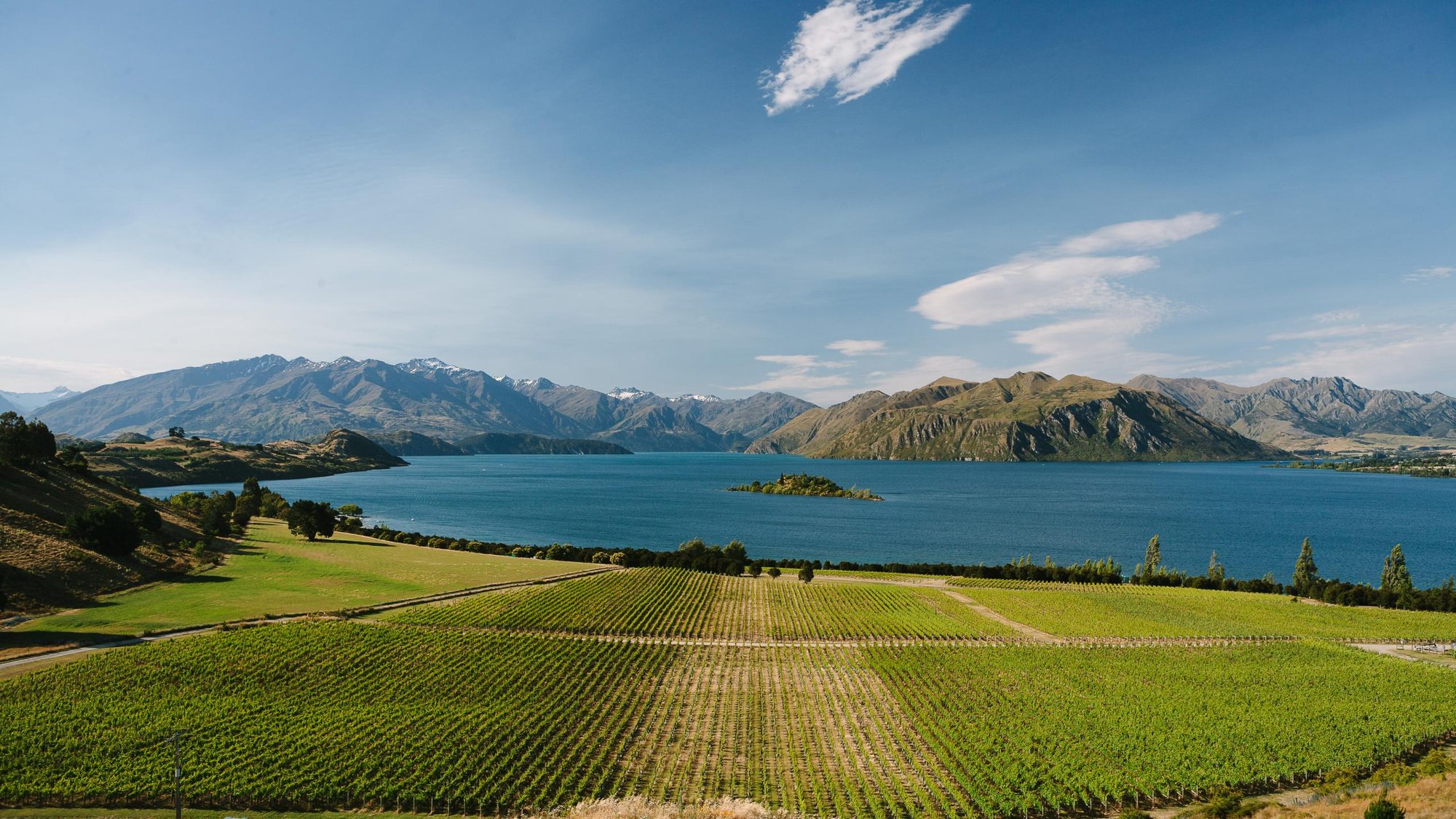
Rippon Vineyard in Wānaka, Central Otago practices biodynamic, estate-grown winemaking on schist soils. Signature wines include Rippon Pinot Noir, Rippon Riesling and Rippon Gewürztraminer—each aged in French oak or stainless for purity. Awarded Best Vineyard in Australasia and ranked eighth globally, Rippon pairs lakeside tastings at Rippon Hall with panoramic Southern Alps views. Expect mineral-driven acidity, fine-grained tannins and aromatic lift: red cherry, stone-fruit, citrus oil and alpine herb notes that evolve with cellaring. Appointment-only, guided experiences emphasize terroir, heritage and sustainable stewardship for collectors and travelers seeking considered, age-worthy Central Otago wines. < Back Details Rippon Vineyard WINERY SUMMARY Rippon Vineyard in Central Otago arrives in the first sentence with a scene: the Mills family estate sits on the western flanks of Lake Wānaka, where wind-swept schist soils and cool alpine air shape wines of precision. Walk the slopes at dawn and you will register the same elements that inform the cellar—significant diurnal range, fast-draining schist, and a lakeside influence that prolongs ripening. Rippon Vineyard has translated that place into bottles, with an estate-focused portfolio and biodynamic farming that prioritizes soil life and longevity. The vineyard’s reputation—recently cited as Best Vineyard in Australasia and ranked eighth worldwide—draws collectors and serious wine travelers to Central Otago for focused tastings and allocated releases. The Mills family story anchors Rippon’s craft. The land entered family hands in 1912; Rolfe Sargood Mills planted experimental vines in 1975 and established the first commercial block in 1982. Today Nick Mills leads winemaking and stewardship with a production team committed to Demeter-certified biodynamics (vineyard-wide, early 2000s certification) and minimal intervention in the cellar. That philosophy yields a restrained, terroir-forward style: natural ferments, low-addition practices and measured use of French oak for structure rather than overt spice. Rippon Vineyard’s awards and international critical attention reflect consistent scores and allocated bottlings; those accolades support a tasting program designed for guests who value provenance, patience and singular vineyard expression. The product journey at Rippon Vineyard emphasizes variety-by-vineyard storytelling. Rippon Pinot Noir—Rippon’s flagship—draws from multiple schist parcels across roughly 15 hectares of vines; fruit sees native yeast fermentation, careful whole-bunch inclusion where appropriate, and maturation in French oak to produce wine with red-cherry clarity, iron-mineral drive and fine-grained tannins capable of 10–20 years’ evolution. Rippon Riesling captures high-acid clarity and slate-like minerality, often bottled from select rows to preserve citrus peel, petrol nuance and saline lift. Rippon Gewürztraminer highlights aromatic intensity—rose petal, lychee and spice—harvested early for balance and stainless- or neutral-wood handling to retain fragrance. Rippon Gamay offers a cooler-climate, light-bodied red with crunchy red fruit and floral lift. The estate issues limited single-vineyard and small-allocation bottlings in select years; these releases are often reserved for collectors and mailing-list members, reflecting small-case production and a deliberate cellar-ageing program. Visiting Rippon Vineyard centers on Rippon Hall, an intimate tasting room built from local materials with uninterrupted views across Lake Wānaka to the Southern Alps. Tastings are appointment-only and guided by the cellar team, focusing on biodynamic practice, block differences and the cellar’s maturation choices. The property sets aside picnic areas and private-event spaces for seasonal pairings with regional chefs; hospitality is intentionally educational and unhurried. The estate’s barrel program and French-oak regimen are visible conversation points during visits, and the production team occasionally offers focused verticals or allocated-tasting opportunities for collectors—advance booking is essential because experiences are limited and seasonally adjusted. Best times to visit are late summer and early autumn (February–April) when the canopy shows color and harvest rhythm is apparent; spring visits reveal vigorous shoot growth and soil activity. All tastings require appointments—book ahead, especially in high season—and confirm availability for private or group events. Rippon Vineyard manages visits to protect the vineyard and ensure an undisturbed, informative tasting for each guest. If you seek wines that speak of schist, lake-borne cooling and decades of family care, Rippon Vineyard rewards close attention. Reserve an appointment at Rippon Vineyard and experience biodynamic viticulture, estate-grown Pinot Noir and the lakeside perspective that shapes each vintage. REQUEST BOOKING WINEMAKER ACCOLADES (2025) World's 50 Best Best Vineyards #17 JOIN THE CLUB FEATURED GUIDES NEARBY WINERIES 00 Wines 1310 Spirit of the Country Distillery 1404 Manufacturing Distillery 1516 Brewing Company Distillery 2B Hemp Gin Distillery 50 West Vineyards 5020 Koudelka-Sturm Distillery A to Z Wineworks A. Batch Distillery A. Margaine A. Rafanelli Winery ANCAP Alcoholes CONTACT 246 Wānaka-Mt Aspiring Rd, Wānaka 9305, New Zealand https://rippon.co.nz +64 3 443 8084
- Arista Winery | | The En Primeur Club
Arista Winery in the Russian River Valley produces small-lot, terroir-driven Pinot Noir and Chardonnay. Led by winemaker Matt Courtney, Arista crafts estate and single-vineyard bottlings—signature small-lot Pinot Noir, Westside Road Chardonnay and single-vineyard releases—that reflect Goldridge soils and fog-cooled mornings. The cellar emphasizes minimal intervention, precise oak aging and sustainable farming across its Westside Road holdings. Critics have recognized Arista for consistent, nuanced wines; tastings deliver layered red-fruit, saline minerality and bright citrus tension. Expect a refined, intimate tasting that pairs cellar storytelling with vivid vineyard provenance and focused, age-worthy vintages. < Back Details Arista Winery WINERY SUMMARY Arista Winery sits on Westside Road in the Russian River Valley and presents a sensory entrance to Sonoma County’s cool-climate expression of Pinot Noir and Chardonnay. At Arista Winery the morning fog lifts across Goldridge soils and low vines, revealing fruit that verges between savory and floral; the first glass is as much about place as it is about technique. Visitors arrive expecting Pinot Noir driven by site specificity, precise oak influence and the kind of small-batch attention that turns a single barrel into a conversation piece. Russian River Valley’s fog, diurnal shifts and centuries-old clonal selections inform each vintage, setting the stage for wines that speak directly of slope, soil and microclimate. In the tasting room, aromatic tension—wet stone, cranberry, citrus blossom—prepares the palate for the cellar’s restraint and clarity. The McWilliams family founded Arista Winery in 2002; the estate evolved under their stewardship and through 2012 stewardship passed to the next generation, with leadership that preserves the original vision. Winemaker Matt Courtney, known for exacting small-lot work and previous tenure at high-profile producers, brings a disciplined, low-intervention approach to the cellar. Courtney’s philosophy privileges site expression: fermentations are tailored to each block, new oak is applied judiciously and élevage emphasizes texture over overt wood. Though specific medal counts and scores are not listed here, Arista Winery has earned critical recognition for consistently refined Pinot Noir and Chardonnay, often sourced from long-established Russian River sites. The winery’s commitment to sustainable farming and partnerships with heritage vineyards reinforces a production model built on provenance rather than volume. The product journey at Arista Winery moves from vine to bottle with deliberate steps. Notable releases include small-lot Pinot Noir drawn from single-vineyard lots on Westside Road and estate Chardonnay that sees measured barrel fermentation and partial malolactic conversion for balance. Vinification practices favor native and selected yeasts, gentle extraction for Pinot Noir, and a barrel program that uses a mix of neutral and lightly toasted French oak to preserve fruit brightness. Expect tasting notes that range from cranberry, rose petal and forest floor in Pinot Noir to Meyer lemon, toasted almond and saline minerality in Chardonnay. The winery produces allocated, limited releases and library bottles for vertical tastings; these bottlings are ideal for collectors seeking lineage and a tactile sense of vintage variation. Production remains intentionally small—focused on quality over quantity—and Arista’s relationship with some of the oldest vineyard sites in the appellation supplies the raw material for these benchmark bottlings. Visiting Arista Winery is a study in quiet refinement. The estate sits among peers on Westside Road and offers an intimate tasting environment rather than a large hospitality complex. Architectural notes emphasize simple, vineyard-facing spaces and a cellar designed for small-group engagement and barrel exploration. While full tour schedules and tasting formats are not listed in available sources, the experience centers on seated flights, focused conversation with the tasting team and occasional cellar walkthroughs that explain fermentation choices, oak selection and blending decisions. Private appointments and allocation tastings are consistent with the winery’s small-lot model, and visitors should anticipate a measured, education-forward tasting rather than high-volume hospitality. The best times to visit Arista Winery are spring through harvest when vineyard differences are most visible and the cellar team is active; appointments are recommended given the winery’s boutique scale and allocated releases. Booking ahead is prudent for curated flights, library pours or private group tastings. For guests interested in deeper involvement, inquire about limited blending sessions or vertical tastings that showcase the estate’s aging potential. Arista Winery rewards travelers who value provenance, restraint and vineyard fidelity. Whether you are a collector seeking single-vineyard Pinots or a curious taster drawn to Goldridge-soil Chardonnay, Arista offers a focused, terroir-first experience. Reserve a tasting with the winery and taste how Westside Road’s soils and Matt Courtney’s stewardship translate into wines of clarity, tension and lasting memory. REQUEST BOOKING WINEMAKER ACCOLADES JOIN THE CLUB FEATURED GUIDES NEARBY WINERIES 00 Wines 1310 Spirit of the Country Distillery 1404 Manufacturing Distillery 1516 Brewing Company Distillery 2B Hemp Gin Distillery 50 West Vineyards 5020 Koudelka-Sturm Distillery A to Z Wineworks A. Batch Distillery A. Margaine A. Rafanelli Winery ANCAP Alcoholes CONTACT 7015 Westside Rd, Healdsburg, CA 95448, United States https://www.aristawinery.com +17074730606
- Williams Gap Vineyard | | The En Primeur Club
Williams Gap Vineyard in Round Hill, Virginia cultivates estate-grown Bordeaux varietals—Cabernet Sauvignon, Petit Verdot and Merlot—across 30+ acres on a 200-acre family estate. Production focuses on terroir-driven, estate wines with thoughtful cellar handling; notable offerings include an Estate Cabernet Sauvignon, Estate Petit Verdot and a Reserve tasting selection. Guests arrive for panoramic Blue Ridge Mountain vistas, black-fruit and graphite-driven flavors, and a relaxed tasting room atmosphere. With a strong 4.4-star guest rating online and a history of supplying premium grapes to local producers, Williams Gap Vineyard pairs authentic viticultural craft with approachable tastings and scenic outdoor trails for lingering afternoons. < Back Details Williams Gap Vineyard WINERY SUMMARY Williams Gap Vineyard sits on a 200-acre family estate in Round Hill, Loudoun County, offering direct views toward the Blue Ridge Mountains and a clear expression of Virginia terroir. Williams Gap Vineyard produces estate-grown Bordeaux varietals—primarily Cabernet Sauvignon, Petit Verdot and Merlot—across more than 30 acres of planted vines. The first sentence here introduces the vineyard and the region, and within these opening lines visitors learn that the estate emphasizes terroir-driven viticulture, a deliberate production style, and a tasting program designed to showcase varietal character and place. The surrounding ridgelines and daytime breezes create a microclimate that informs the fruit’s tension and structure, while the property’s trails and open slopes invite guests to taste with the landscape as backdrop. Williams Gap Vineyard places its wines and visitor experience squarely in the Loudoun County wine scene, making it an accessible day destination for Virginia wine tasting and countryside escape. The heritage at Williams Gap Vineyard is rooted in family stewardship and more than a decade of grape-growing for the region’s winemakers; for years the estate supplied premium fruit to local wineries before beginning to bottle and sell estate wines locally. The production team—referred to publicly as the vineyard’s cellar and viticulture team—focuses on attentive canopy management, soil care and varietal selection that suit the estate’s soils and climate. While named awards are not listed, Williams Gap Vineyard carries a strong guest reputation, reflected in a 4.4-star rating on review platforms, and it is known in Loudoun County for consistent fruit quality. The vineyard’s philosophy prioritizes quality at the vine, translating estate-grown grapes into approachable wines that speak of place. Sustainability is emphasized through careful vineyard practices and long-term stewardship of the property, a point visitors often note in tasting-room conversations. The product journey at Williams Gap Vineyard is straightforward and transparent: fruit grown on-site is the foundation of their estate offerings. Signature examples include an Estate Cabernet Sauvignon that highlights the darker-fruit spectrum and structured tannins expected of Virginia’s Bordeaux varietals; an Estate Merlot with plush red-fruit notes and a soft mid-palate; and Estate Petit Verdot, which contributes deep color, floral spice and concentrated phenolics. The vineyard also presents a Reserve tasting selection—offered as the reserve tasting flight—which brings forward the estate’s more focused or aged bottlings reserved for that tier. Production details such as exact case quantities and barrel regimens are not publicly specified, but tasting formats indicate a standard tasting ($15) and a reserve tasting ($20), suggesting tiered access to the estate’s more selective wines. Visitors will find descriptions centering on fruit purity, varietal typicity and a sense of place rather than marketing hyperbole. Limited-release or allocated bottles are handled locally and may appear in reserve tastings, with staff advising guests on availability during visits. The tasting room at Williams Gap Vineyard is relaxed, with indoor and outdoor options that make the most of the property’s views. Visitors commonly enjoy tasting flights while seated on the terrace or near the vineyard-facing windows; walking trails through the estate extend the visit into woodland and meadow. The architecture is functional and family-oriented rather than theatrical—an estate hub that accommodates celebrations and private events alongside regular tastings. Tours and private events are available on request, and the site encourages lingering visits for those who want to pair wine sampling with a stroll through vines. Williams Gap Vineyard’s on-site atmosphere reflects its agricultural roots: honest, hospitable and scenic rather than over-engineered, which appeals to travelers seeking authentic vineyard time in Virginia. Best times to visit Williams Gap Vineyard are Thursday through Monday from 12:00 PM to 7:00 PM; the estate is closed Tuesday and Wednesday. Standard tastings run at $15 with a $20 reserve tasting option; walk-ins are common but reservations are advisable for groups or weekend afternoons. Private event inquiries and group visits are managed through the vineyard’s contact channels, and guests should check the official website or email info@williamsgapvineyard.com for the latest scheduling details. For travelers seeking a purposeful Virginia wine experience with estate fruit, panoramic mountain views and direct access to vineyard land, Williams Gap Vineyard offers a measured and hospitable encounter with Loudoun County viticulture. Plan a tasting, ask for the Reserve selection, and let Williams Gap Vineyard’s estate wines give you a clear sense of Blue Ridge-influenced Bordeaux varietals. REQUEST BOOKING WINEMAKER ACCOLADES JOIN THE CLUB FEATURED GUIDES NEARBY WINERIES I'm an image title Describe your image here. I'm an image title Describe your image here. I'm an image title Describe your image here. CONTACT 35521 Sexton Farm Ln, Round Hill, VA 20141, USA https://www.williamsgapvineyard.com/ +15404401933