SEARCH
34898 results found with an empty search
- Summerfields Distillery (Duke Gin) | | The En Primeur Club
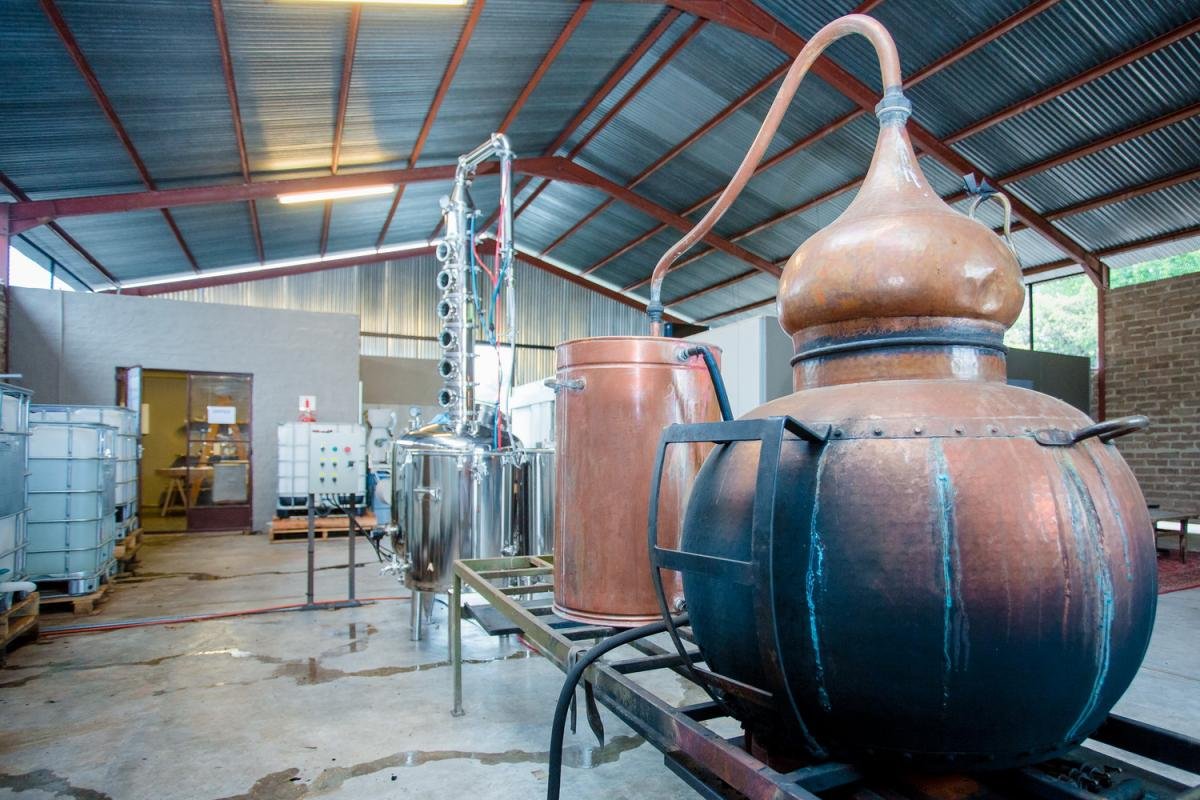
Summerfields Distillery in Hazyview, Mpumalanga produces Duke Gin, a small-batch craft spirit distilled from estate-grown litchis. The distillery emphasizes farm-to-bottle provenance: hand-harvested litchis from Summerfields Estate are macerated with select botanicals, then distilled in controlled, small runs to create a bright, floral gin. Signature offerings center on Duke Gin and seasonal small-batch expressions drawn from the estate orchard; limited allocations are released periodically. Visitors encounter river-scented air, citrus-laced floral aromatics and a silky, fruit-forward palate that evokes the Lowveld. The experience pairs agricultural authenticity with refined tasting moments overlooking the Sabi River and the Kruger National Park rim. < Back Details Summerfields Distillery (Duke Gin) WINERY SUMMARY Summerfields Distillery sits on Summerfields Estate in Hazyview, Mpumalanga, where the Sabi River and Lowveld climate shape a distinct provenance for spirits. At the heart of the estate is Duke Gin, a craft expression conceived in 2017 from an abundance of estate-grown litchis. Standing on the distillery floor or on the veranda overlooking riverine vegetation, you can sense the produce-first philosophy: fruit-forward aromatics, warm sunlight, and a quiet that lets botanicals speak. Visitors searching for a compelling distillery tour or a Highveld spirits tasting will find Summerfields Distillery delivers a direct connection between orchard, still and bottle. The production style—small-batch, fruit-led distillation—places the estate and its litchi orchards center stage in every pour. Summerfields Distillery channels local terroir into a single, memorable spirit experience in Mpumalanga. The story of Summerfields Estate began long before the distillery: the Van Heerden family purchased the property in 2002 and transitioned it into a mixed agricultural and hospitality estate. The idea for Duke Gin emerged in 2017 after a physician-friend suggested distilling the estate’s prolific litchis; the project honored Duke, the family’s Hungarian Vizsla, whose companionship coincided with the gin’s early experiments. While there is no named master distiller in available records, the production team has refined a philosophy centered on provenance, sustainability and restraint—using estate fruit, minimal processing and measured small-run distillation. Summerfields Distillery favors clarity over ornamentation: the spirit’s character should reflect the litchi itself, supported by botanicals rather than masked by them. Although public award listings are not cited in source materials, the distillery’s distinct use of local litchis and thoughtful narrative position it as a notable craft spirits producer within Mpumalanga. Duke Gin is the flagship expression and the clearest example of the estate’s production choices. The base is estate-grown litchi, macerated and incorporated to deliver floral, stone-fruit aromas; distillation in small runs preserves volatile fruit esters and keeps the proof bright and clean. Tasting Duke Gin reveals fresh litchi top notes, citrus lift, subtle green herbal undercurrents and a smooth, slightly rounded finish that highlights fruit purity rather than heavy spice. Beyond the flagship, Summerfields Distillery offers seasonal small-batch releases when orchard yields and experimental runs align; these limited allocations emphasize single-harvest provenance and are distributed in constrained quantities directly from the estate. Bottles are hand-labeled and allocated through the estate’s hospitality channels, making certain releases collectible for enthusiasts. Production notes emphasize hand-harvest timing, immediate processing of fruit, and small-run distillation to maintain aroma integrity—procedures that yield a spirit profile markedly different from grain-forward gins. Visiting Summerfields Distillery is as much about place as it is about spirits. The estate sits within sight of the Sabi River and a short drive from Kruger National Park, creating a landscape-driven tasting context: river fragrances, bird calls and Lowveld light frame the tasting experience. The tasting environment leans on estate hospitality—private pours, guided narratives about the orchard and occasional behind-the-scenes glimpses of the still area and bottling table. Architecture and guest areas reflect an agricultural retreat rather than an industrial visitor center; expect shaded verandas, orchard views and intimate sampling settings rather than large-scale tasting halls. The distillery’s production floor is compact to preserve small-batch methodology, and access to allocated tastings or seasonal releases is typically limited to scheduled visits and estate guests. Best times to visit are during the fruit season and the warmer months when orchard activity is visible; advance booking is recommended because tours and small-group tastings are limited and often tied to lodging or estate events. Summerfields Distillery offers guided spirits tastings and estate storytelling sessions—private bookings accommodate sampling of current releases and occasional experimental pours. For travelers seeking a distinctly regional spirit with direct provenance, Summerfields Distillery and its Duke Gin deliver a tactile connection to Hazyview’s orchards and the Sabi River’s influence. Plan ahead, reserve a tasting, and experience Duke Gin on the Summerfields Estate for a measured, place-driven distillery visit that highlights estate-grown litchis and thoughtful small-batch craft. REQUEST BOOKING WINEMAKER ACCOLADES JOIN THE CLUB FEATURED GUIDES NEARBY WINERIES 00 Wines 1310 Spirit of the Country Distillery 1404 Manufacturing Distillery 1516 Brewing Company Distillery 2B Hemp Gin Distillery 50 West Vineyards 5020 Koudelka-Sturm Distillery A to Z Wineworks A. Batch Distillery A. Margaine A. Rafanelli Winery ANCAP Alcoholes CONTACT R536 Hazyview - Sabie Road, Hazyview 1242, South Africa https://www.summerfields.co.za +27137376500
- Ino Distillery | | The En Primeur Club
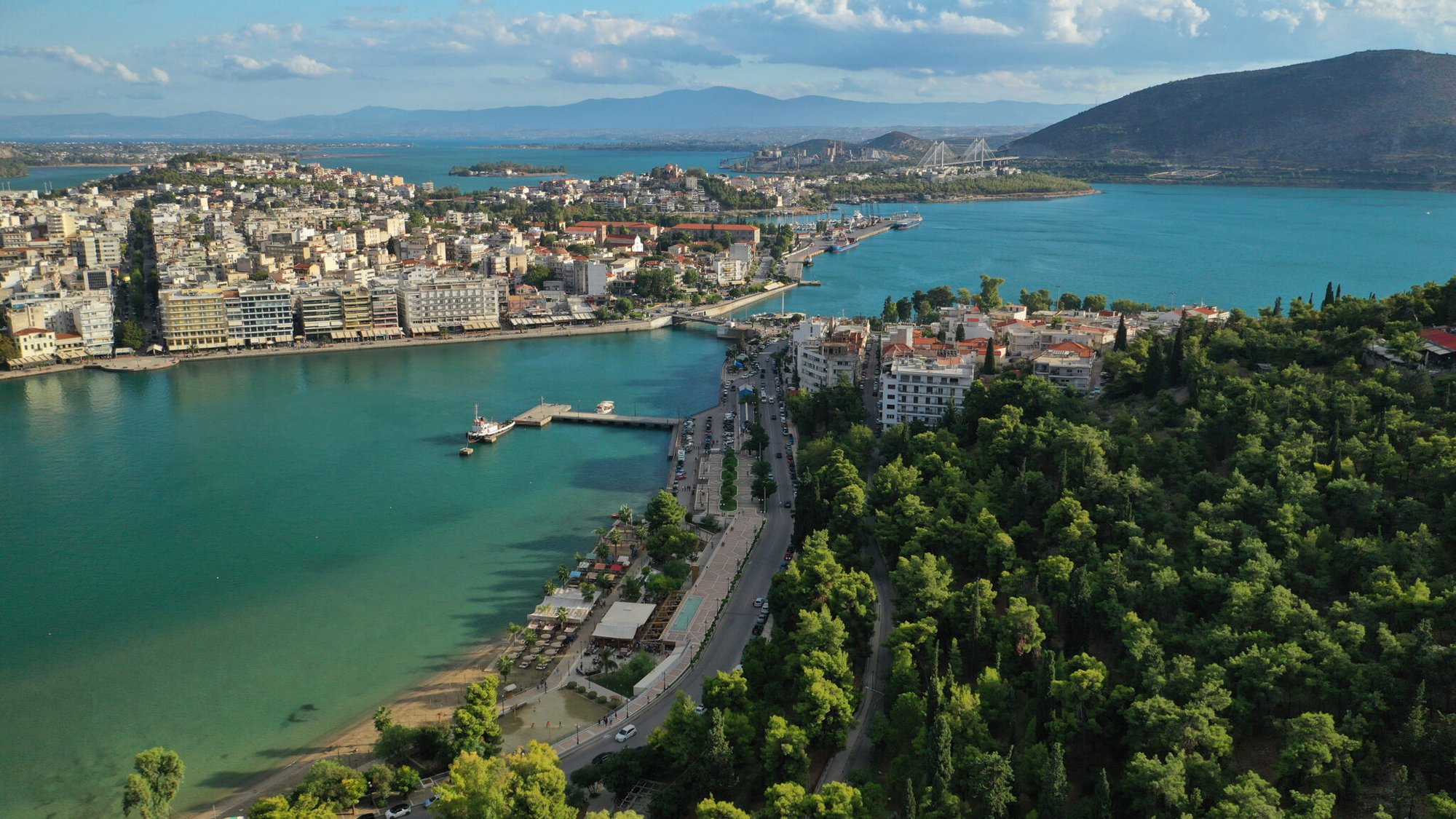
Ino Distillery in Chalkida crafts intimate, small-batch spirits rooted in Greek distillation traditions. Production focuses on copper-pot distillation and careful fractional cuts, yielding signature expressions such as small-batch tsipouro, a Mediterranean anise liqueur, and a limited single-cask brandy. The distillery’s selling point is an appointment-only tasting format that pairs hands-on blending notes with sensory storytelling. Expect bright citrus oils, warm white pepper, licorice-sweet anise, and concentrated oak spice across flights. With an emphasis on allocation-level releases and educational tastings, Ino Distillery offers a quietly refined experience for collectors and travelers seeking deeper insight into Chalkida’s modern spirits craft. < Back Details Ino Distillery WINERY SUMMARY Ino Distillery opens like a private atelier for spirits lovers, located within the evolving Chalkida craft scene and designed for focused, appointment-only experiences. Arrive prepared for a Chalkida distillery tour that privileges conversation and tasting over crowds: the first pour introduces small-batch tsipouro with vivid citrus top notes and a dry, peppery frame, followed by anise-forward liqueur that lingers like Mediterranean shoreline air. The distillery positions itself as a craft spirits producer, inviting guests to learn production context, sample allocated releases, and participate in short blending demonstrations that clarify why fractional cuts and slow proofing matter. The production team at Ino Distillery favors time-honored Greek techniques adapted for contemporary palates. While formal biographies for a named master distiller are not publicly documented, the distillery’s approach reads as methodical: low-and-slow distillation runs, attentive heads-and-tails management, and selective barrel finishing. This philosophy creates spirits that emphasize terroir and ingredient clarity rather than heavy manipulation. Ino Distillery is emerging within Chalkida’s broader spirits landscape, and its emphasis on small quantities and allocation-style releases underscores a collector-minded ethos. Rather than broad retail distribution, the distillery’s work is presented through curated flights and limited releases to ensure quality and provenance. The product journey at Ino Distillery moves from raw material to concentrated expression. Core offerings include a small-batch tsipouro made from grape pomace distilled to highlight aromatic varietal oils and finished with a clean, saline-mineral backbone; a Mediterranean anise liqueur produced by cold maceration of fennel, star anise, and local botanicals to yield layered licorice, citrus peel and herbal complexity; and a limited single-cask brandy released in tiny allocations, showing focused oak spice, dried stone fruit and caramelized sugar. Each expression is presented at tasting strength with room for water and palate restoration; occasional cask-strength or single-cask bottlings appear by reservation. The distillery discusses aging in neutral and toasted oak cooperage, and while specific barrel ages are allocated by release, the consistent throughline is restraint — maturity that supports, not overwhelms, the spirit’s origin. Visitors to Ino Distillery can expect precise, educational hospitality rather than large-scale tourism trappings. Tours are intimate and often led by a member of the production team who explains the still house, mash or pomace preparation, cut selection and barrel decisions. The tasting room environment favors low lighting, tactile materials and regional references that nod to Chalkida’s maritime climate; seating is arranged to encourage conversation and tasting notes exchange. Unique features include appointment-only private tastings, hands-on blending sessions on request, and on-demand single-cask samplings for allocation holders. Architectural statements are modest and functional, designed to showcase equipment and barrel sequences rather than theatricality. Best times to visit are outside peak summer weekends when appointment slots are more readily available; the distillery operates by reservation and recommends booking at least two weeks ahead for private tastings or blending sessions. Options typically include guided tasting flights, private blending classes, and allocation pickups for limited releases — though exact pricing and hours should be confirmed directly as public contact details are not available. Small groups and collectors are encouraged to reserve private sessions to access rarer cask offerings. For travelers and collectors craving a quietly refined spirits encounter in Chalkida, Ino Distillery presents focused craftsmanship, limited releases, and direct education about Greek distilling techniques. Whether you arrive to taste a peppery tsipouro, study aromatic anise distillations, or secure a single-cask brandy allocation, Ino Distillery rewards curiosity and careful listening. Book early, request a private tasting, and come prepared to taste the subtle mechanics of modern Greek distillation at Ino Distillery. REQUEST BOOKING WINEMAKER ACCOLADES JOIN THE CLUB FEATURED GUIDES NEARBY WINERIES 00 Wines 1310 Spirit of the Country Distillery 1404 Manufacturing Distillery 1516 Brewing Company Distillery 2B Hemp Gin Distillery 50 West Vineyards 5020 Koudelka-Sturm Distillery A to Z Wineworks A. Batch Distillery A. Margaine A. Rafanelli Winery ANCAP Alcoholes CONTACT Ritsona, Chalkida - Kazarma, 34150, EVIAS, Greece +302221062321
- Château d'Yquem | | The En Primeur Club
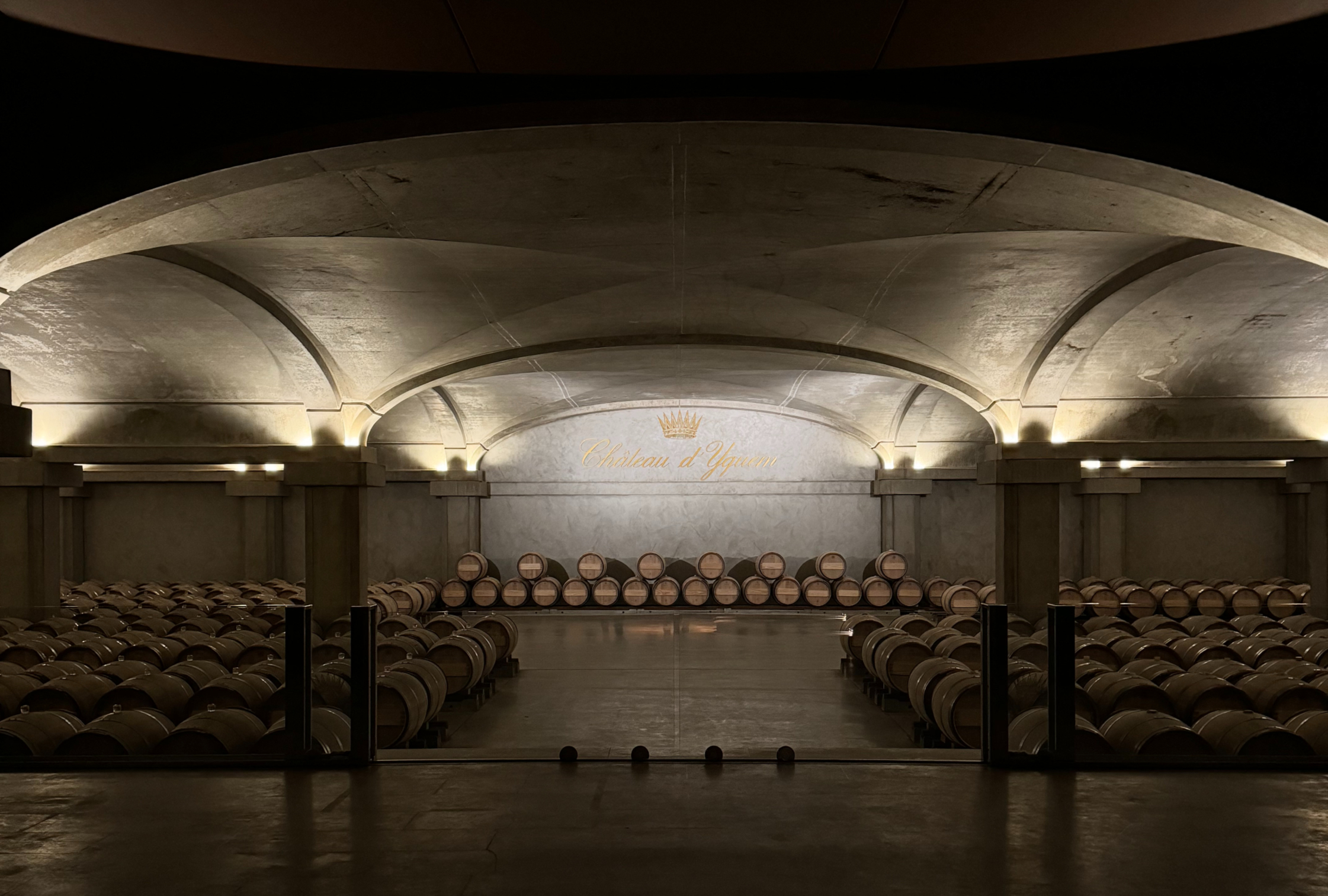
The world's most legendary dessert wine estate, Château d'Yquem has perfected noble rot winemaking across four centuries in Sauternes, where winemaker Sandrine Garbay continues producing ultra-premium collectible wines from 113 hectares of prime Bordeaux terroir. < Back Bordeaux Château d'Yquem WINERY SUMMARY Where four centuries of noble rot mastery meets uncompromising perfectionism, Château d'Yquem stands alone as the world's most revered dessert wine estate, commanding the hilltops of Sauternes with legendary authority that has captivated royalty, collectors, and connoisseurs since 1593. This singular First Growth Supérieur represents the absolute pinnacle of sweet wine production, where every vintage becomes liquid gold. The Lur Saluces family stewarded d'Yquem's destiny for over four centuries before LVMH's acquisition in 1999, preserving traditions that define excellence itself. Under winemaker Sandrine Garbay's meticulous direction, the estate maintains its legendary status through obsessive attention to detail and unwavering commitment to quality over quantity. The philosophy remains unchanged: harvest only when Botrytis cinerea achieves perfect noble rot development, regardless of economic pressures or vintage challenges. Across 113 hectares of prime Sauternes terroir, predominantly Sémillon with Sauvignon Blanc, d'Yquem produces wines of extraordinary complexity and longevity. The estate's signature Château d'Yquem represents ultra-premium collectible wine at its finest, with production averaging just 65,000 bottles annually. Each grape undergoes multiple selective harvests, sometimes requiring six passes through the vineyard. The resulting wines achieve perfect balance between honeyed richness and crystalline acidity, capable of aging gracefully for decades. Critics consistently award perfect scores, while auction houses witness record-breaking prices for rare vintages. Visiting Château d'Yquem requires advance booking and represents one of Bordeaux's most exclusive experiences. The 16th-century château overlooks the Garonne Valley, offering breathtaking views across the Sauternes appellation. Private tastings showcase the estate's remarkable library of aged vintages, while guided vineyard tours reveal the painstaking noble rot selection process. The tasting room, housed within the historic château, provides intimate settings for experiencing wines that represent centuries of winemaking evolution. Architecture enthusiasts appreciate the perfectly preserved Renaissance structure. Secure your allocation of these investment-grade wines through The En Primeur Club's exclusive partnerships. Contact our sommelier team to arrange private château visits or acquire rare library vintages from this legendary Sauternes estate. REQUEST BOOKING WINEMAKER Sandrine Garbay ACCOLADES (2025) Pearl 5 Star Prestige (2025) World's 50 Best Best Vineyards #12 JOIN THE CLUB FEATURED GUIDES NEARBY WINERIES 00 Wines 1310 Spirit of the Country Distillery 1404 Manufacturing Distillery 1516 Brewing Company Distillery 2B Hemp Gin Distillery 50 West Vineyards 5020 Koudelka-Sturm Distillery A to Z Wineworks A. Batch Distillery A. Margaine A. Rafanelli Winery ANCAP Alcoholes CONTACT https://yquem.fr/
- Billecart-Salmon | | The En Primeur Club
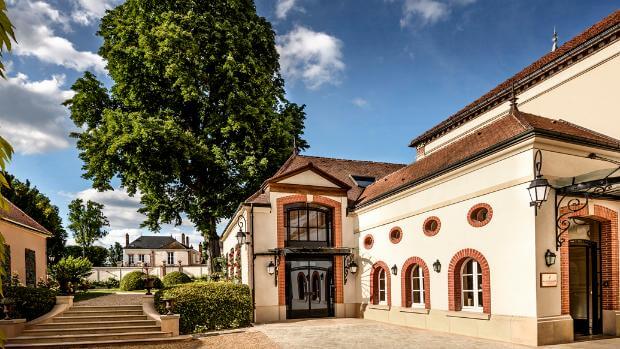
Seven-generation family mastery defines Billecart-Salmon's revolutionary approach to Champagne excellence, where Florent Nys crafts investment-grade wines from 100 estate hectares and the legendary one-hectare Clos Saint-Hilaire vineyard in Mareuil-sur-Aÿ. < Back Champagne Billecart-Salmon WINERY SUMMARY Where seven generations of family mastery meets pioneering Champagne innovation, Billecart-Salmon commands respect as one of Champagne's most distinguished independent houses. Since 1818, this Mareuil-sur-Aÿ estate has redefined excellence through unwavering commitment to terroir expression and sustainable viticulture across their prestigious holdings. Founded by Nicolas François Billecart and Elisabeth Salmon, this family dynasty has maintained independence for over two centuries while establishing revolutionary techniques that influence modern Champagne production. Under current winemaker Florent Nys, Billecart-Salmon continues pushing boundaries while honoring ancestral wisdom. The estate's philosophy centers on low-temperature fermentation and extended lees aging, creating Champagnes of extraordinary finesse and longevity that consistently earn critical acclaim worldwide. Billecart-Salmon's portfolio showcases investment-grade Champagnes from 100 estate hectares plus carefully selected grapes from 300 hectares across 40 premier crus. Their flagship Cuvée Nicolas François Billecart represents the pinnacle of Champagne craftsmanship, while the rare Clos Saint-Hilaire emerges from a one-hectare walled vineyard producing ultra-premium single-vineyard expressions. The house specializes in Pinot Noir-driven blends that showcase Aÿ's exceptional terroir, with production limited to maintain exclusivity and quality standards that place these wines among Champagne's most collectible bottles. Visiting Billecart-Salmon requires advance booking for their exclusive cellar tours and tastings, where guests discover centuries-old chalk cellars beneath the historic estate. The intimate tasting room overlooks manicured vineyards, offering personalized experiences led by knowledgeable guides who share family stories and winemaking secrets. Private tastings feature rare library wines and upcoming releases, creating unforgettable encounters with Champagne royalty in an authentic family atmosphere that larger houses cannot replicate. Secure your allocation of these exceptional Champagnes through The En Primeur Club's exclusive partnerships. Contact our wine specialists to arrange private estate visits and access limited-production bottles that define luxury Champagne collecting. REQUEST BOOKING WINEMAKER Florent Nys ACCOLADES (2025) Pearl 4 Star Prestige JOIN THE CLUB FEATURED GUIDES NEARBY WINERIES 00 Wines 1310 Spirit of the Country Distillery 1404 Manufacturing Distillery 1516 Brewing Company Distillery 2B Hemp Gin Distillery 50 West Vineyards 5020 Koudelka-Sturm Distillery A to Z Wineworks A. Batch Distillery A. Margaine A. Rafanelli Winery ANCAP Alcoholes CONTACT 40 rue Carnot, 51160 Mareuil-sur-Aÿ, France https://www.champagne-billecart.fr +33326526022
- Hacienda Corralejo | | The En Primeur Club
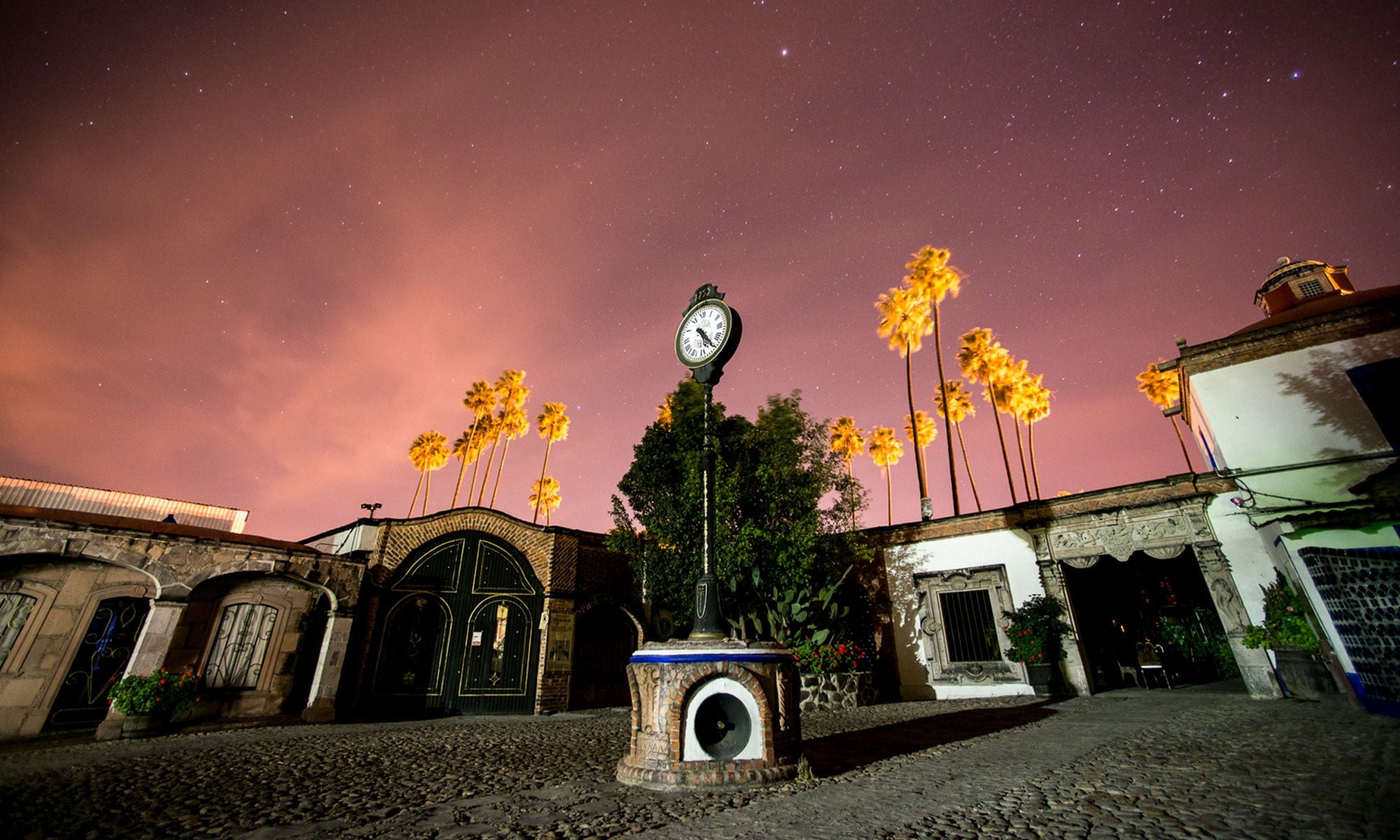
Hacienda Corralejo in Pénjamo, Guanajuato is a heritage distillery producing traditionally distilled tequila expressions including Hacienda Corralejo Blanco, Reposado and Hacienda Corralejo Añejo (~1.5 years). The estate pairs centuries-old architecture with hands-on production: estate-grown blue agave, bottle-dome shaded cavas, and locally made glass bottles. Guided distillery tours end with curated spirits tastings that reveal warm cooked-agave aromas, baked vanilla oak, toasted caramel and mineral-driven agave notes. With a 4.6 TripAdvisor rating and cultural programs that celebrate regional music and history, Hacienda Corralejo offers an immersive, sensory experience for collectors and curious travelers alike. < Back Details Hacienda Corralejo WINERY SUMMARY Hacienda Corralejo sits on the plains of Pénjamo in Guanajuato, where sun-baked soil and a long colonial lineage shape a distinct tequila narrative. Hacienda Corralejo greets visitors with wide patios, the stone Casa Grande and the ruins of a frontón that date back to its 1565 founding; the setting is both historic museum and working spirits house. A visit begins with the sensory contrast of boiled agave steam rising from the still house and the cool, dim rickhouses where añejos rest. Those seeking a Guanajuato distillery tour will find concrete provenance here: locally grown blue agave, traditional cooking and a bottle-dome that shields barrel rooms from light and heat, creating a quietly controlled aging environment. The production team at Hacienda Corralejo follows a production philosophy steeped in regional technique and continuity. While no single master distiller name is publicized, the distillery emphasizes small-batch attention within a larger operation: fermentation that captures agave terroir, a measured distillation sequence, and barrel maturation programs tuned to the Bajío climate. Hacienda Corralejo’s reputation is strengthened by its cultural significance—the birthplace of Miguel Hidalgo y Costilla—and consistent guest praise, including a 4.6-star TripAdvisor average. Rather than pursuing flashy awards, the estate prioritizes craft continuity, collaborations with a nearby glass factory for signature bottles, and community programs such as "Voces de Corralejo," which thread local identity through production and events. The product journey at Hacienda Corralejo moves from field to bottle with clarity. Hacienda Corralejo Blanco is presented as a clean, expressive spirit that highlights freshly harvested blue agave, light floral top notes and a mineral core—an ideal base for tasting the terroir. The Reposado is rested briefly in oak to gain honeyed mid-palate sweetness, toasted spice and a creamier mouthfeel. The Hacienda Corralejo Añejo, aged roughly 1.5 years, spends extended time in the estate cavas where moderated light and temperature encourage development of dried-fruit, tobacco leaf and coffee-toned complexity. Limited historical releases and allocated bottles are periodically offered, often tied to anniversaries or the estate’s historical calendar; these releases emphasize single-cask character or extended cask finishing. Tastings emphasize sequence—blanco to reposado to añejo—so guests can track oxidative influence, barrel selection and the balance between agave purity and oak-derived aromatics. Barrel-room encounters occasionally include cask-strength samples, and educational commentary explains mash bill decisions, fermentation schedules and how Guanajuato’s soil imparts a unique mineral and savory thread to each expression. Visitors experience Hacienda Corralejo in settings that double as architectural history and functional production spaces. Tours move through the still house, fermentation vats and into the rickhouse-style cavas beneath the Casa Grande; the bottle-dome—constructed from thousands of recycled bottles—provides an arresting visual while serving to shade and cool aging rooms. The tasting area and patios host flights paired with regional cuisine for fuller sensory context, and private events are staged among original stonework and barrel-lined rooms. Guides are hands-on, describing how local glassmakers shape bottles on-site and how the estate times harvest and maturation to respect agave readiness and climatic rhythms. Plan visits between the estate’s public hours, typically daily from morning through mid-afternoon, with guided tours and tastings likely requiring reservations—particularly for private tastings or event bookings. Best times to visit are during the dry season and on weekdays when group traffic is lighter; confirm availability through the official website or by phone, as many tours are guided and limited in party size. Note that on-site parking and accessibility details should be checked in advance if traveling with larger groups. Whether you are a spirits collector, cultural traveler or culinary explorer, Hacienda Corralejo offers a layered encounter: a living distillery where 16th-century foundations meet contemporary tequila production. Reserve a guided Hacienda Corralejo tour to sample Blanco, Reposado and the 1.5-year Añejo, walk the cavas beneath the Casa Grande, and leave with a deeper understanding of how Pénjamo’s terroir and history shape each bottle at Hacienda Corralejo. REQUEST BOOKING WINEMAKER ACCOLADES JOIN THE CLUB FEATURED GUIDES NEARBY WINERIES I'm an image title Describe your image here. I'm an image title Describe your image here. I'm an image title Describe your image here. CONTACT Domicilio conocido s/n, Ex-Hacienda Corralejo, Pénjamo, Guanajuato C.P. 36927, Mexico https://www.tequilacorralejo.mx +524696964104
- Distilleria Romano Levi | | The En Primeur Club
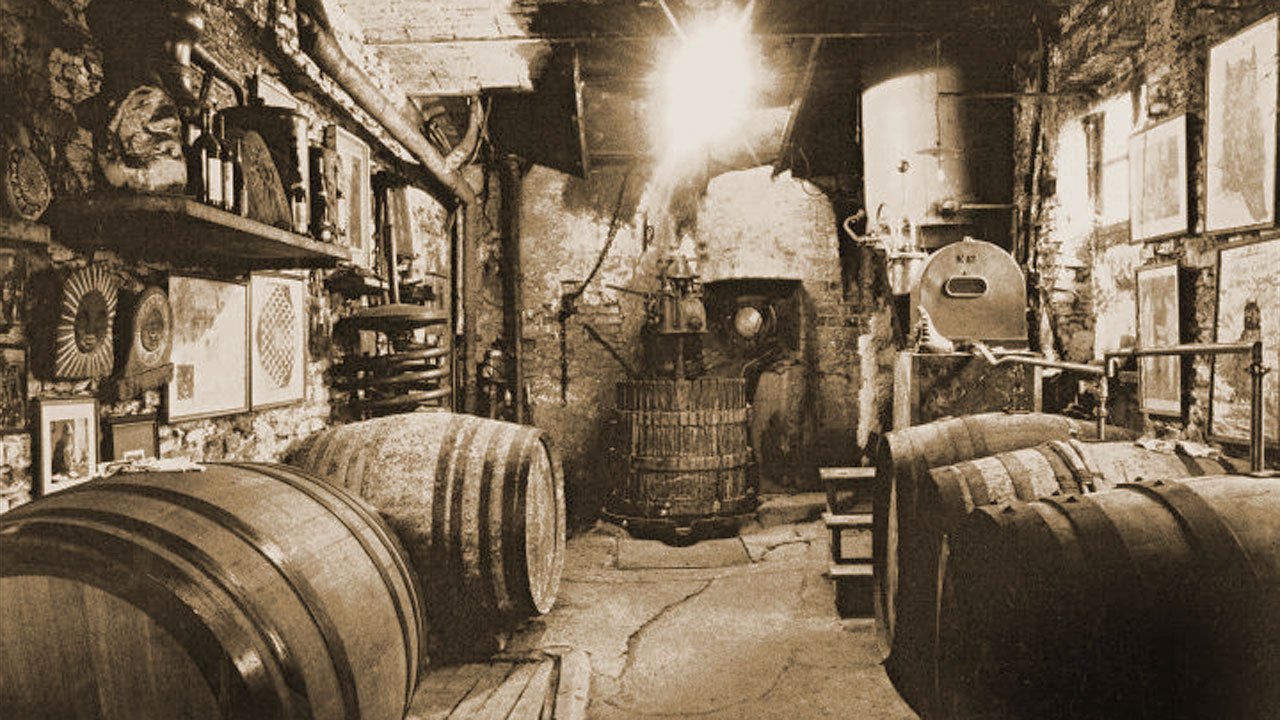
Distilleria Romano Levi in Neive, Piedmont crafts artisanal, small-batch grappa using traditional direct-fire copper stills. Signature expressions include Grappa della Donna Selvatica, Grappa Ambrate Gran Riserva and the No. 71 limited edition (distilled 2008, bottled 2015). Celebrated for hand-drawn labels, poetic dedications and Lidia Levi’s rare herb-infused grappas, the house melds Langhe grape marc from producers like Angelo Gaja with centuries-old technique. Awarded Luigi Veronelli’s Best Distiller in 2006, the distillery delivers vivid, aromatic spirits—fresh pomace brightness, warm amber spice and herbal complexity—each bottle a tactile, collectible work prized by connoisseurs and collectors. < Back Details Distilleria Romano Levi WINERY SUMMARY Distilleria Romano Levi sits in Neive, Piedmont, where the language of Nebbiolo vineyards and the rhythm of the still mark the seasons; the name Distilleria Romano Levi evokes a tactile scene of copper, oak and poems pinned to bottles. In the Langhe’s mosaic of vineyards and limestone hills, Distilleria Romano Levi sources fresh grape pomace from local producers — including prized Nebbiolo houses — and distills it in direct-fire copper stills fired by hand, producing intensely aromatic, small-batch grappa that reads like a portrait of place. Visitors who arrive in late autumn witness the charged season when the distillery’s ritual begins: the still is lit, steam rises, and each expression is coaxed slowly, molecule by molecule, into the bottle. The craft legacy at Distilleria Romano Levi traces to Serafino Levi, who founded the house in 1925, and to the siblings Romano and Lidia, whose personalities shaped both liquid and lore. Romano Levi became renowned as a master distiller and artist — his hand-drawn labels and poems turned bottles into collectibles — while Lidia specialized in rare herb-infused grappas, blending botanicals into singular expressions. The distillery’s philosophy rejects industrial scale: distillation remains artisanal, production limited to roughly 6,000–7,000 bottles annually during Romano’s era, and the still is tended by a practiced hand. Recognition followed: Romano received the Luigi Veronelli Award for Best Distiller in 2006, cementing Distilleria Romano Levi’s reputation as a heritage distillery and cultural touchstone in Piedmont. As of October 2025 the property ownership is recorded under Lucio Scaratti and Luigi Schiappapietra, continuing stewardship of Levi’s traditions. The product journey at Distilleria Romano Levi moves from vineyard marc to collectible bottle with deliberate steps. Grappa della Donna Selvatica is a signature clear expression, distilled from fresh Nebbiolo pomace and praised for floral lift, green apple brightness and a long, sapid finish; each bottle bears a unique Romano label and often a short poem. Grappa Ambrate Gran Riserva represents the house’s aged amber side: small allocations of grappa are matured until amber-toned, gaining toasted almond, dried citrus peel and baking-spice notes while retaining varietal tension. The No. 71 limited edition (distilled 2008, bottled 2015) is a numbered, small-run release—approximately 200 bottles in its allocation—that collectors seek for its concentrated aromatics and provenance. Lidia’s herb-infused grappas introduce uncommon botanical layers: hand-selected alpine and kitchen herbs macerated or co-distilled to yield savory, resinous profiles uncommon in mainstream grappas. Production consistently favors single-marc distillation, patient cuts and bottle-by-bottle attention; the result is a roster of clear, amber and infused expressions that read as both spirit and story. Visiting Distilleria Romano Levi is an intimate encounter rather than a commercial spectacle. The still house and compact production floor offer close-up views of direct-fire copper apparatus and the ritual of distillation; the tasting area feels domestic and reflective, where handwritten labels and poems set a personal tone. Architecture remains true to its origins: a modest Piedmontese house with an attached distillation room and small storage for aged expressions. Expect compact, atmospheric spaces rather than grand tasting halls, and a focus on tasting by allocation—bottle displays are curated like a small museum of craft. Unique features include Romano’s original handwritten labels and occasional opportunities to examine limited-edition bottles side-by-side. Best times to visit are late autumn and winter during or just after the distillation season when the still is lit and new spirits are at their freshest; advance booking is strongly recommended because tours and tastings are limited and production is small. There are no publicized fixed tasting fees or online reservation links in available sources, so planning through the official site or a trusted local guide is advisable for guaranteed access. Distilleria Romano Levi rewards those who seek craftsmanship, provenance and poetic provenance in a spirit house: book early, request a focused tasting of Grappa della Donna Selvatica and an aged Ambrate pour, and allow the production team’s legacy to reshape expectations about what artisanal grappa can deliver. For collectors and serious spirits travelers, Distilleria Romano Levi in Neive offers a rare chance to taste history compressed into glass—reserve a visit and feel the Langhe in every sip. REQUEST BOOKING WINEMAKER ACCOLADES JOIN THE CLUB FEATURED GUIDES NEARBY WINERIES 00 Wines 1310 Spirit of the Country Distillery 1404 Manufacturing Distillery 1516 Brewing Company Distillery 2B Hemp Gin Distillery 50 West Vineyards 5020 Koudelka-Sturm Distillery A to Z Wineworks A. Batch Distillery A. Margaine A. Rafanelli Winery ANCAP Alcoholes CONTACT Via XX Settembre, 91, 12052 Neive CN, Italy https://www.distilleriaromanolevi.com +390173677139
- Craiglee | | The En Primeur Club
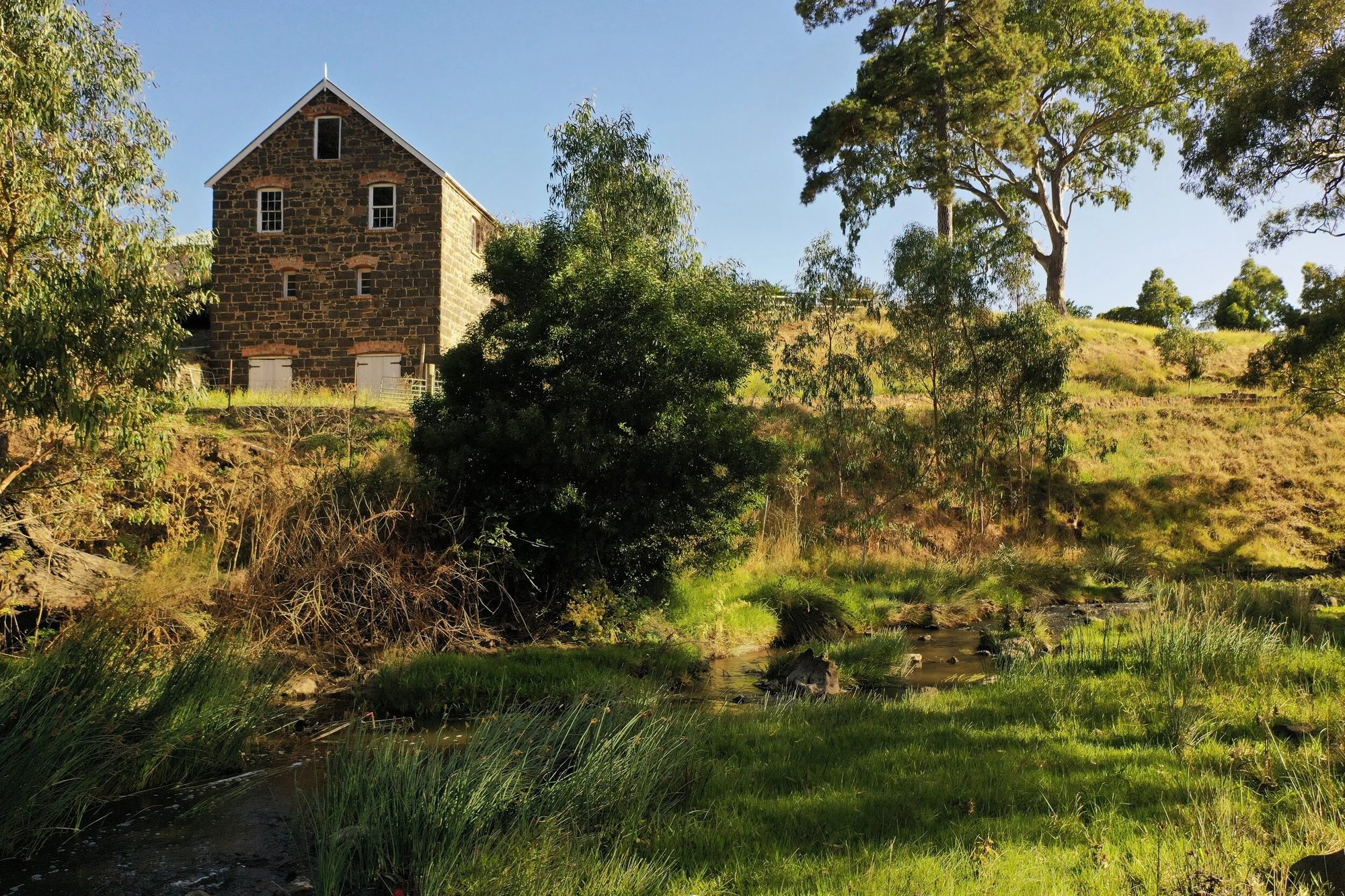
Craiglee in Sunbury, Victoria is an estate winery that focuses on restrained, age-worthy Shiraz alongside estate Chardonnay and Cabernet Sauvignon. The flagship Craiglee Shiraz (various vintages) and estate Chardonnay deliver cellar-worthy structure and mineral-driven detail; limited-release reserve allocations are issued in small quantities. Laid against a valley microclimate with creek-fed slopes and an 1865 gravity-fed bluestone cellar, Craiglee emphasizes terroir, low-yield viticulture and traditional barrel aging. Critics from Jancis Robinson to Australian commentators have praised its longevity; tasting the wines reveals dense dark-berry fruit, savoury spice, fine-grained tannins and a mineral backbone that evolves over decades. < Back Details Craiglee WINERY SUMMARY Craiglee is a living chapter of Victorian wine history. Located on Sunbury’s dry outer rim and framed by a small creek and sloping hills, Craiglee produces wines that read like time capsules — especially its signature Shiraz — and invites visitors to experience a cellar-driven style that prizes restraint, structure and longevity. From the first sip you encounter dark fruit, graphite and spice offset by bright natural acidity, a direct expression of Sunbury terroir and the estate’s original soils. The winery’s gravity-fed 1865 bluestone building sits at the heart of the property and shapes both production and the tasting experience. The story of Craiglee stretches back to 1863 when James Stewart Johnson planted Shiraz and Riesling and by 1865 had built the concrete homestead and winery. The vineyard lay dormant after the 1920s until the Carmody family acquired the property in 1961 and replanted Shiraz in 1976. Today winemaker Pat Carmody — trained in agricultural and wine science — leads the cellar team and steers a production philosophy centered on low yields, careful canopy management and minimal intervention in fermentation. Craiglee’s wines have long attracted critical attention for their longevity and finesse; commentators including Jancis Robinson have compared the estate’s Shiraz to the structural clarity of French Hermitage. Rather than chasing high scores, Craiglee prioritizes finesse, balance and wines designed to evolve over decades. The product journey at Craiglee is rooted in estate fruit and slow, deliberate winemaking. The estate Shiraz, replanted in 1976 on the original site, is hand-farmed with an emphasis on concentration; fermentations are typically traditional and the wine receives extended aging in oak and bottle to develop tertiary complexity. Tasting a Craiglee Shiraz reveals layered black-plum and cassis notes, anise and river-stone minerality, firm yet polished tannins and an acidity profile that supports long cellaring. Limited-release reserve selections and allocated releases — often drawn from older vine parcels — appear intermittently and are intended for collectors. The Chardonnay from Craiglee follows the same restraint: cooler-climate fruit, focused acidity, subtle oak influence and a mineral finish that complements seafood and poultry. Cabernet Sauvignon and Viognier complete the portfolio; all wines are made to reflect place rather than winemaking fashion. Where library stock exists, historic bottles dating back to the 19th century provide rare vertical insight into the estate’s capacity to age gracefully. Visiting Craiglee is a study in heritage architecture meeting precise viticulture. The gravity-fed bluestone winery from 1865 shapes the cellar experience — barrels and older vintages are handled with gravity flow where possible, reducing pump stress and preserving texture. The tasting environment leans toward private, appointment-style encounters with the cellar team or winemaker, often conducted in a small historic room or alongside barrels when available. The vineyard sits on a shallow valley, and several rows look down to a creek; those microclimatic influences deliver diurnal temperature variation that helps the estate keep natural acidity in fruit. Because specific public tasting schedules are not widely published, prospective visitors should expect limited capacity and request appointments in advance to secure allocated tastings or library flights. Best times to visit are spring through autumn when the vineyard displays seasonal character and harvest activity can sometimes be observed; given the estate’s focus on allocation and cellar-aged wines, bookings are commonly required for vertical tastings and reserve flights. If you seek barrel-sample appointments, blending conversations or a close look at historic bottles, inquire when arranging a visit, as these experiences are offered selectively. For collectors and serious wine travellers, Craiglee represents rare continuity: an estate that links 19th-century planting to contemporary winemaking under the Carmody family name. Book an appointment to taste estate Shiraz verticals, encounter the bluestone cellar and understand why Craiglee’s wines reward patience. Plan ahead — Craiglee’s reserve releases and library flights are issued in small quantities and visiting the estate is the most direct way to access them. REQUEST BOOKING WINEMAKER ACCOLADES JOIN THE CLUB FEATURED GUIDES NEARBY WINERIES 00 Wines 1310 Spirit of the Country Distillery 1404 Manufacturing Distillery 1516 Brewing Company Distillery 2B Hemp Gin Distillery 50 West Vineyards 5020 Koudelka-Sturm Distillery A to Z Wineworks A. Batch Distillery A. Margaine A. Rafanelli Winery ANCAP Alcoholes CONTACT 785 Sunbury Rd, Sunbury VIC 3429, Australia https://www.craigleevineyard.com +61397444489
- Salvestrin Winery | | The En Primeur Club
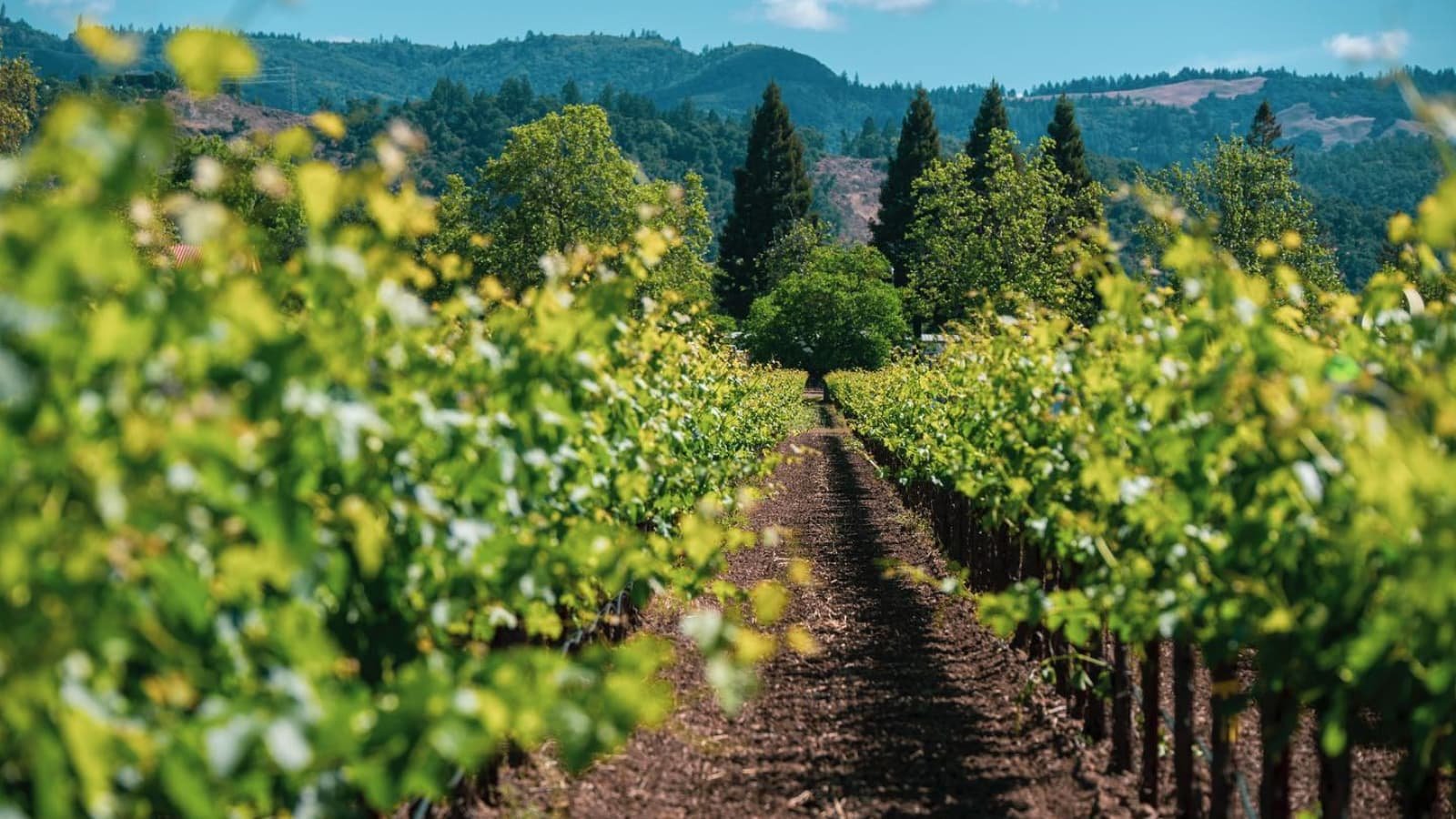
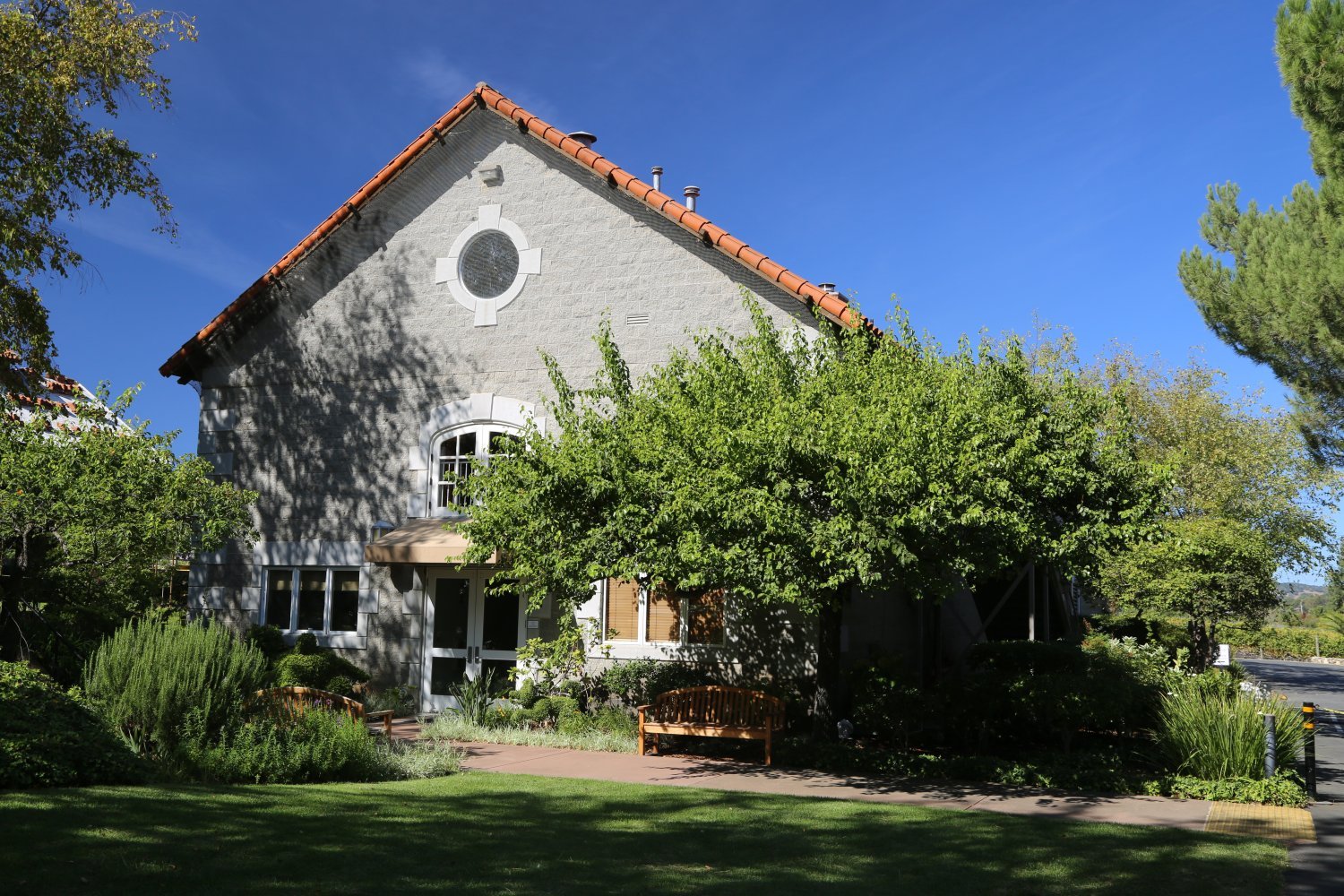
Salvestrin Winery in St. Helena, Napa Valley produces estate-driven Cabernet Sauvignon and refined small-lot wines from a vineyard first planted in 1859. The family-owned estate emphasizes sustainable, Napa Green-certified viticulture across its Dr. Crane site, with signature offerings like Salvestrin Cabernet Sauvignon and limited reserve selections. Tastings are by reservation only in a vineyard-side tasting room built in 2001, where mineral-driven black-fruit aromas meet cedar, graphite and firm tannins. Visitors encounter hands-on winemaking stories from Richard Salvestrin and sense the clay and loam soils that shape wines built for cellaring and slow enjoyment. < Back Details Salvestrin Winery WINERY SUMMARY Salvestrin Winery in St. Helena opens with a sense of place that is almost tactile: wind off Spring Mountain, Bale clay underfoot and vines whose roots trace back to plantings from 1859 on the historic Dr. Crane site. Salvestrin Winery is an estate producer in Napa Valley that foregrounds terroir-driven Cabernet Sauvignon, estate Merlot and small-production varietals. Within the first 100 words the estate’s core strengths are clear—historic vineyard, sustainable Napa Green certification and Cabernet-focused winemaking—so visitors know they are arriving at a property shaped by lineage and rigorous farming. The tasting room sits among vines planted across 23 acres acquired by John and Emma Salvestrin in 1932, a tangible link between 19th-century plantings and contemporary cellar practice. Richard Salvestrin, the hands-on winemaker who represents the family’s fourth generation, trained in viticulture and continues to steward the winery’s production with traditional fermentation methods and a keen attention to barrel aging. The production philosophy at Salvestrin Winery privileges estate fruit: native and controlled fermentations, conservative use of new oak and aging programs designed to respect the vineyard’s mineral character. While specific global awards are not listed in available records, Wine Spectator and regional critics have recognized the estate for preserving one of Napa’s oldest vineyard sites. Napa Green certification for both vineyard and winery operations underscores Salvestrin’s long-term commitment to environmental stewardship and soil health. The product journey at Salvestrin Winery begins in the vineyard and finishes in a cellar program tailored for longevity. The flagship Salvestrin Cabernet Sauvignon showcases the site’s Bale clay and loam soils: expect dense black-cherry and cassis aromas layered with graphite, crushed stone, tobacco and firm, age-worthy tannins. Production emphasizes small-lot fermentations and thoughtful barrel selection; many estate reds see extended élevage in French oak to develop mid-palate complexity and to soften tannins. Other offerings include estate Merlot and Cabernet Franc that provide floral lift and savory depth, a structured Petite Sirah with concentrated color and dark spice, a crisp Sauvignon Blanc with bright acidity, and a delicate rosé that carries vineyard freshness. Limited releases and reserve selections are allocated, often released through the winery’s direct channels, reflecting a classic Napa Valley model of small-production, collector-friendly bottlings. Visiting Salvestrin Winery is an intimate, appointment-only experience that privileges education and provenance. The tasting room, completed in 2001 and set among the vines, presents a rustic-meets-modern aesthetic with vineyard views, a modest barrel room and space for focused tastings. Guests meet staff who explain vineyard blocks, rootstocks and the role of Bale clay in shaping tannin profile. Tours can include a walk through the estate rows—weather permitting—and a cellar-side discussion of fermentation choices and barrel aging. The family-operated hospitality emphasizes a relaxed but informed tasting: expect guided flights that move from white to red, and opportunities to sample reserve or library bottles when available. Best times to visit Salvestrin Winery are spring through fall when vineyard growth and harvest activity are most visible; all tastings require reservations, and weekends can fill early during harvest season. The winery offers guided estate tastings by reservation only; private appointments and small-group visits are advised for collectors seeking verticals or reserve pours. Parking is available on site in St. Helena, and the property is convenient to other St. Helena AVA stops for a curated Napa Valley day. For travelers who value deep vineyard history, sustainable farming and wines built to age, Salvestrin Winery offers a measured, authentic Napa Valley experience. Reserve an estate tasting to sample Salvestrin Cabernet Sauvignon and the estate portfolio, learn the family story that begins in 1932, and taste how Dr. Crane’s 1859 plantings continue to shape wines with mineral backbone and cellar potential at Salvestrin Winery. REQUEST BOOKING WINEMAKER ACCOLADES JOIN THE CLUB FEATURED GUIDES NEARBY WINERIES I'm an image title Describe your image here. I'm an image title Describe your image here. I'm an image title Describe your image here. CONTACT 397 Main St, St Helena, CA 94574, USA https://www.salvestrinwinery.com +17079635105
- Casa Siete Leguas | | The En Primeur Club
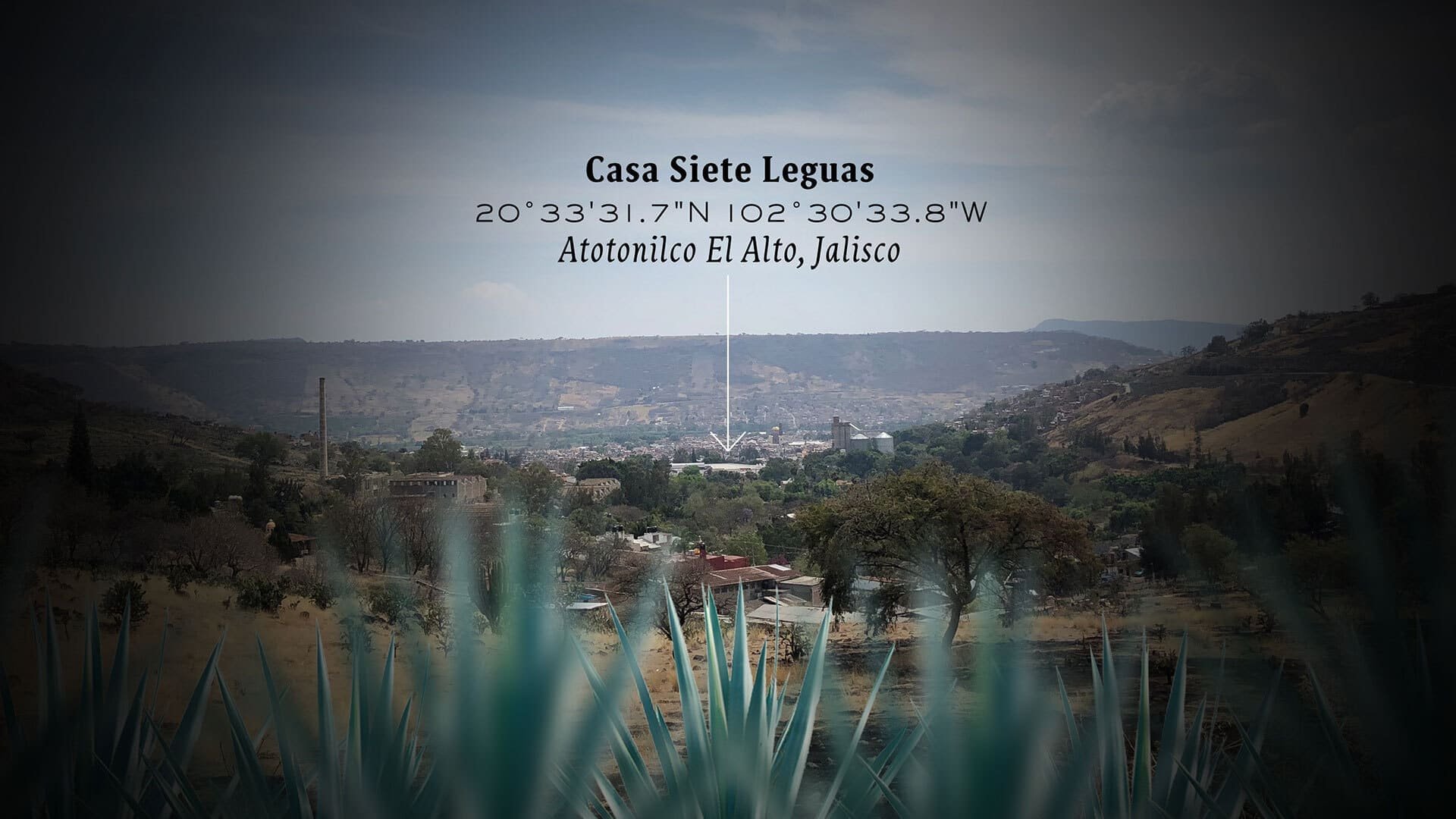
Casa Siete Leguas in Atotonilco El Alto, Jalisco is a heritage distillery producing artisanal tequilas using brick ovens, mule-pulled tahona milling and copper pot stills. Signature expressions include Siete Leguas Blanco, Reposado and the Siete Leguas Special Limited Edition (2022) from wild creole agave. The production emphasizes wild-yeast fermentation, spring water and slow-maturing highland agave, delivering savory cooked-agave, mineral tension and warm caramel on the palate. Celebrating seven decades in 2022 and associated with master distiller Francisco Alcaraz’s legacy, the house balances ancestral craft with a refined modern presentation—detailed bottle embossing and allocated small-batch releases for collectors and serious spirits lovers. < Back Details Casa Siete Leguas WINERY SUMMARY Casa Siete Leguas sits in Atotonilco El Alto, Jalisco, a highland district whose soils and microclimate concentrate agave sugars and sharpen mineral notes. On the distillery floor you can almost hear the slow rhythm of mules turning the tahona wheel and feel the humid, warm air rising from brick ovens where piñas are cooked for many hours; this sensory scene frames every expression the distillery makes. Atotonilco El Alto’s elevation and fertile soils shape the Blue Weber and scattered wild creole agave used here, producing smaller, denser plants that impart a distinct, concentrated agave character to each bottle. The distillery’s spring-fed water and careful hands-on techniques translate terroir directly into spirit in a way that speaks to both connoisseurs and travelers seeking authenticity. Casa Siete Leguas has preserved its production vocabulary—tahona milling, wild-yeast fermentation, copper pot still distillation—while refreshing its bottle design to reflect seven decades of craft. The heritage and craft at Casa Siete Leguas are inseparable from its founding in 1952 by Ignacio González Vargas and María Amparo De Anda Franco and the continuing influence of traditional maestros. The distillery operates three production sites on the hill—Fabrica el Centenario (the original 1952 facility), Fabrica La Victoria and Fabrica La Vencedora—each retaining elements of ancestral technique. Fermentation takes place in large 10,000-liter tanks using wild yeasts and agave fibers, intentionally avoiding cultured strains to preserve regional flavors. In distillation the team still works with copper pot stills, including the original 1952 still held together by clips, a tangible link to mid-century manufacture. That continuity of method, and the distillery’s association with figures like Francisco Alcaraz—whose work influenced notable tequila styles—gives the spirits a lineage that collectors and historians value. In 2022 Casa Siete Leguas marked its 70th anniversary with a limited-edition release celebrating wild creole agave and slow maturation. The product journey at Casa Siete Leguas moves from field to bottle with deliberate restraint. Siete Leguas Blanco captures immediate cooked-agave clarity, citrus rind and a late saline-mineral finish derived from highland soils and spring water. The Reposado spends months in oak, drawing soft vanilla and dried-fruit warmth while preserving bright agave drive. Añejo expressions show longer barrel influence—honeyed toffee, spice and leather—balanced by the distillery’s signature agave backbone. The 2022 Siete Leguas Special Limited Edition, produced from wild creole agave, showcases concentrated sugars and layered complexity: think roasted agave, wild herb, toasted oak and a lingering silky finish; that release was crafted to commemorate seventy years of continuity. Many expressions reflect tahona milling—the low-and-slow extraction that adds earthy, vegetal complexity and mouth-coating weight—then undergo careful copper-pot distillation for clarity and textural finesse. Bottles are presented in embossed formats and range from petite 5 cl formats to collector 3-liter presentations for special releases, underscoring a collector-oriented approach rather than mass-market distribution. Public hospitality is restrained by design: Casa Siete Leguas is not generally open to walk-in visitors and offers limited access by appointment only, preserving production privacy and the integrity of allocated releases. When visits are arranged, the atmosphere is tactile and industrial-heritage driven: the Fabrica el Centenario reads like a working museum with original stills, brick ovens and the tahona wheel at eye level. Expect small-group, production-focused experiences—behind-the-scenes time in the still house, close-up explanations of wild-yeast fermentation in 10,000-liter tanks, and curated tastings that emphasize comparative flights and limited-edition pours rather than casual bar service. Architecture and set pieces—aged copper, exposed brick, embossed glasswork—frame a sober, focused tasting environment that highlights provenance and craft over tourist spectacle. Plan visits mid-week outside harvest pressure for the most informative experience; the highland growing cycle and production schedule make summer and early autumn busy with field work, while spring offers clearer access. Booking is required and often limited; Casa Siete Leguas’ visitor policy notes that the distillery is not generally open to the public, so private arrangements, collector introductions or industry contacts typically secure appointments. There is no public tasting room program published and reservations should be arranged far in advance for allocated releases and archival tastings. For travelers and collectors seeking a distilled sense of Jalisco’s highlands, Casa Siete Leguas delivers a rigorous, heritage-first experience: hands-on production, Tahona-driven texture, and editions that honor slow agave maturation. Reach out through the official site to inquire about private visits and tasting opportunities and experience the craftsman's pace that defines Casa Siete Leguas. REQUEST BOOKING WINEMAKER ACCOLADES JOIN THE CLUB FEATURED GUIDES NEARBY WINERIES I'm an image title Describe your image here. I'm an image title Describe your image here. I'm an image title Describe your image here. CONTACT Av. Independencia 360, Col. San Felipe, 47750 Atotonilco el Alto, Jalisco, Mexico https://www.casasieteleguas.com +523919170996
- Lewis Cellars | | The En Primeur Club
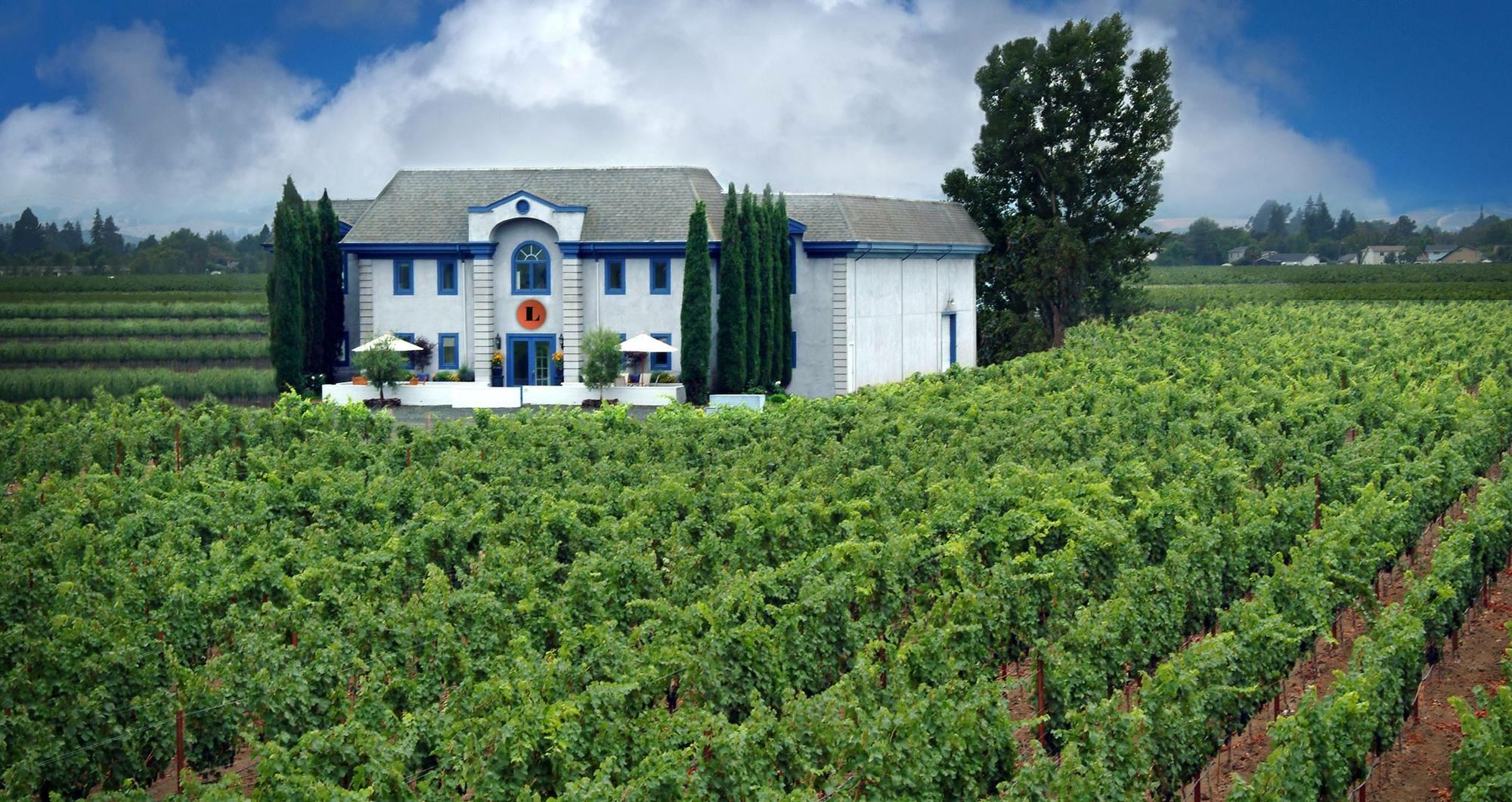
Lewis Cellars in Napa Valley on Silverado Trail is a focused Napa winery producing bold, textured Cabernet-driven wines and expressive varietals. Signature releases include the 2021 Reserve Cabernet Sauvignon, Mason’s Cabernet Sauvignon and the collectible Cuvee L (available in magnum), complemented by the famously lauded 2013 Cabernet Sauvignon—Wine Spectator’s 2016 Wine of the Year. The estate emphasizes hands-on viticulture, French oak barrel aging and small-lot vinification under winemaker Jordan Jeffries. Tastings are appointment-only in an art-filled, opulent tasting salon with chef-led pairings, delivering layered aromas of cassis, cocoa and graphite, plush tannins and long, mineral finishes that translate Napa Valley intensity into refined cellar-friendly wines. < Back Details Lewis Cellars WINERY SUMMARY Lewis Cellars sits on Silverado Trail in Napa Valley, and from the first step into its art-filled tasting rooms you sense a winery that thinks in big flavors and deliberate detail. Lewis Cellars was founded in 1992 by Randy and Debbie Lewis and has evolved into a Napa winery known for Cabernet-led expressions that read like statements of place: concentrated fruit, structured tannins and meticulous oak integration. The estate’s move to the former Robert Sinskey Vineyards site in 2021 under Wonderful Co. expanded hospitality and gave the vintner an elevated stage—private salons, interior surrealist art and garden-facing terraces—that frames every tasting with visual drama. In this landscape of well-drained soils and diurnal Napa Valley shifts, Lewis Cellars leans into intensity without sacrificing balance, inviting collectors and curious travelers to compare vintages across a compact, purposeful portfolio. The winery’s craft is rooted in hands-on viticulture and a production philosophy that privileges small lots and precision. Lewis Cellars produces roughly 9,000 cases annually, allowing the cellar team to shepherd individual ferments with care. Jordan Jeffries, who joined the team in 2023, brings UC Davis training and experience at respected Napa estates; his arrival continues the winery’s commitment to layered, age-worthy wines. Barrel aging primarily in French oak imparts spice and structure, while harvest and fermentation choices aim to retain varietal purity and texture. The 2013 Cabernet Sauvignon’s selection as Wine Spectator’s 2016 Wine of the Year remains a signature accolade that changed distribution and collector interest; that recognition underlines the estate’s capacity for producing benchmark Napa Cabernet. Ownership by Wonderful Co. has married sizable resources with the Lewises’ stylistic DNA, modernizing hospitality while maintaining the original drive for rich, terroir-forward wines. The product journey at Lewis Cellars moves from vineyard selection to small-batch fermentation and extended barrel aging. Flagship offerings include the 2021 Reserve Cabernet Sauvignon, which is blended from select lots, aged in new and seasoned French oak for 18–22 months, and shows black cherry, graphite, espresso and polished tannins ideal for cellaring. Mason’s Cabernet Sauvignon is a single-vineyard-driven expression with concentrated dark-fruit core, cedar spice and layered mid-palate weight. Alec’s Blend and Cuvee L are the estate’s heritage and limited releases: Alec’s Blend integrates Merlot and Cabernet for plush, accessible texture, while Cuvee L—offered in limited magnum bottlings—features extended new-oak aging and is allocated to collectors. The Vin Gris Syrah and a focused Chardonnay provide contrast; the Syrah’s bright red-fruit aromatics and saline finish reflect specific micro-sites, while Chardonnay presents toasted almond and mineral drive. The winery often releases reserve and limited bottlings on allocation; collectors should expect periodic library releases and occasional vertical tasting opportunities by appointment. Visiting Lewis Cellars is as much about environment as wine. The tasting rooms were reimagined after the Wonderful Co. acquisition into sensory-rich salons with surrealist art, animal-pattern textiles and Parisian-inspired private areas designed for seated, chef-paired tastings. In-house chef Christophe Gerard curates prix fixe menus timed to highlight tannin management and oak interplay—small plates that sharpen acidity, amplify fruit, and extend finish. Tastings are appointment-only, with indoor galleries and outdoor garden terraces offering quiet perspectives of Silverado Trail. Private events and curated tasting experiences, including in-depth verticals and reserve flights, are available but limited in capacity; the property includes on-site parking and intimate gathering spaces rather than large-scale event pavilions. Plan visits in spring through fall for vineyard contrast and garden bloom; reservations are required year-round with private and seated options. Lewis Cellars accepts bookings via its official website and operates by appointment-only tastings; limited allocations for reserve releases and library wines make advance planning essential. Expect curated, multi-course pairings and opportunities to learn winemaking philosophy from the cellar team. Whether you’re a collector seeking allocated Cabernets or a traveler after an immersive Napa tasting, Lewis Cellars presents bold Napa Valley wines in a refined, sensory-rich setting. Reserve a tasting, request a reserve flight, or inquire about allocation through Lewis Cellars to experience Napa intensity shaped by family heritage and modern hospitality. REQUEST BOOKING WINEMAKER ACCOLADES JOIN THE CLUB FEATURED GUIDES NEARBY WINERIES I'm an image title Describe your image here. I'm an image title Describe your image here. I'm an image title Describe your image here. CONTACT 6320 Silverado Trail, Napa, CA 94558, USA https://www.lewiscellars.com/ +17072553400
- Etude Wines | | The En Primeur Club
Etude Wines in Carneros, Napa Valley is an estate winery defined by vineyard-first viticulture and expressive, terroir-driven Pinot Noir and Cabernet Sauvignon. Signature offerings include Etude Pinot Noir (single-vineyard), Etude Cabernet Sauvignon from Rutherford and Oakville sources, and a limited heirloom Pinot Noir release. The cellar team emphasizes precise block selection—nearly 20 Pinot Noir clones—and a restrained, elegant style that yields wines with bright red fruit, coastal minerality, and refined tannins. A TripAdvisor Travelers’ Choice recipient, Etude Wines pairs thoughtful tasting experiences (Terroir Tasting, Study of Pinot Noir) with a calm Carneros setting, making each visit sensory: crisp bay breezes, volcanic-soil spice, and polished glassware framing every pour. < Back Details Etude Wines WINERY SUMMARY Etude Wines in Carneros sets the scene for focused, vineyard-driven tasting in Napa Valley, where cool maritime breezes from San Pablo Bay meet volcanic soils to shape elegant Pinot Noir and structured Cabernet Sauvignon. The approach is evident from the first sip: clear varietal definition, layered red and black fruit, and a sense of place that speaks of Carneros’ cool-climate pockets and the warmer Rutherford and Oakville sites that supply Cabernet. Visitors arriving between 10:00 am and 4:00 pm encounter a composed tasting room atmosphere and guided flights that highlight single-vineyard nuance and estate expression. The long shadow of the vineyards—planted with nearly 20 different Pinot Noir clones—frames Etude Wines’ identity as a producer who prioritizes precise block selection and terroir clarity. What to expect at an Etude Wines tasting is a sequence of thoughtfully chosen bottlings, each illustrating the relation of soil, clone, and microclimate. Founded in 1982 by Tony Soter, Etude Wines built its reputation on a philosophy that winemaking begins in the vineyard and that varietal fidelity and finesse are achieved through rigorous farming and selective harvesting. Today the property operates within Treasury Wine Estates, and the estate’s production team continues Soter’s legacy by emphasizing single-vineyard bottlings and careful clonal placement across small blocks. While Etude Wines does not publish exhaustive cellar protocols, available records underscore a commitment to sustainable vineyard practices and a distinctive bird defense program that uses trained falconers to protect ripening fruit. The winery’s Travelers’ Choice recognition signals steady visitor satisfaction, and its reputation within Napa and Carneros rests on decades of consistent, terroir-focused releases rather than flashy accolades. The product journey at Etude Wines moves from cool-climate Pinot Noir to richer Cabernet selections, each presented with provenance. Etude Pinot Noir (single-vineyard) showcases the Carneros volcanic soils and carries notes of red cherry, dried herb, and subtle earth; the bottling reflects the estate’s nearly 20-clone approach and careful block selection. A limited heirloom Pinot Noir release highlights rare vine material—offering a concentrated nose of raspberry, spice, and satiny tannins—produced in small quantities and often allocated. Etude Cabernet Sauvignon pulls fruit from Rutherford, Oakville, and Coombsville, delivering darker fruit, cassis, and structured tannins that speak to warmer valley sites; these wines are positioned as cellar-worthy and sourced with precision. Small runs of Chardonnay, Pinot Gris, Pinot Blanc, and a Rosé of Pinot Noir round out the portfolio, each designed to reflect varietal clarity rather than heavy oak or overtly opulent extraction. The Study of Pinot Noir experience—a 90-minute seated tasting—allows guests to compare single-vineyard expressions side-by-side, learn about clone selection, and taste how Carneros’ cool nights shape acid structure. Occasional limited releases and club allocations are part of Etude Wines’ model, so collectors should inquire about availability when booking. The tasting environment at Etude Wines is composed to prioritize wine education and sensory focus. The tasting room in Carneros favors a relaxed pace: polished glassware, careful pours, and attentive hosts who guide flights that emphasize terroir. While specific architectural details of the facility are not extensively documented in available sources, visitors can expect a setting that highlights vineyard views and accessible hospitality rather than ostentatious design. Private tailored experiences are available for those seeking deeper immersion, and the property offers tours that include vineyard context and cellar insights when scheduled. The winery’s daily hours—10 am to 4 pm—support daytime visits that take advantage of cooler coastal afternoons and clear vineyard visibility. Best times to visit Etude Wines are spring through early fall during vine growth and harvest windows for a livelier vineyard perspective; reservations are recommended and can be made via the official website or platforms like Priority Wine Pass. Tastings range from approximately $60 to $95 per person depending on experience; the Study of Pinot Noir is a 90-minute seated option at the higher end. Book ahead for private tastings and limited-release consultations. For travelers seeking thoughtful, terroir-driven wines and an educational tasting sequence, Etude Wines delivers a calm, refined Carneros experience built on vine-level attention and a multi-decade legacy. Reserve a tasting through Etude Wines’ website, request single-vineyard pours, and allow the production team’s dedication to site, clone, and harvest to reshape expectations about California Pinot Noir and estate Cabernet. REQUEST BOOKING WINEMAKER ACCOLADES JOIN THE CLUB FEATURED GUIDES NEARBY WINERIES 00 Wines 1310 Spirit of the Country Distillery 1404 Manufacturing Distillery 1516 Brewing Company Distillery 2B Hemp Gin Distillery 50 West Vineyards 5020 Koudelka-Sturm Distillery A to Z Wineworks A. Batch Distillery A. Margaine A. Rafanelli Winery ANCAP Alcoholes CONTACT 1250 Cuttings Wharf Rd, Napa, CA 94559, United States https://www.etudewines.com +17072575782
- Hidalgo La Gitana | | The En Primeur Club
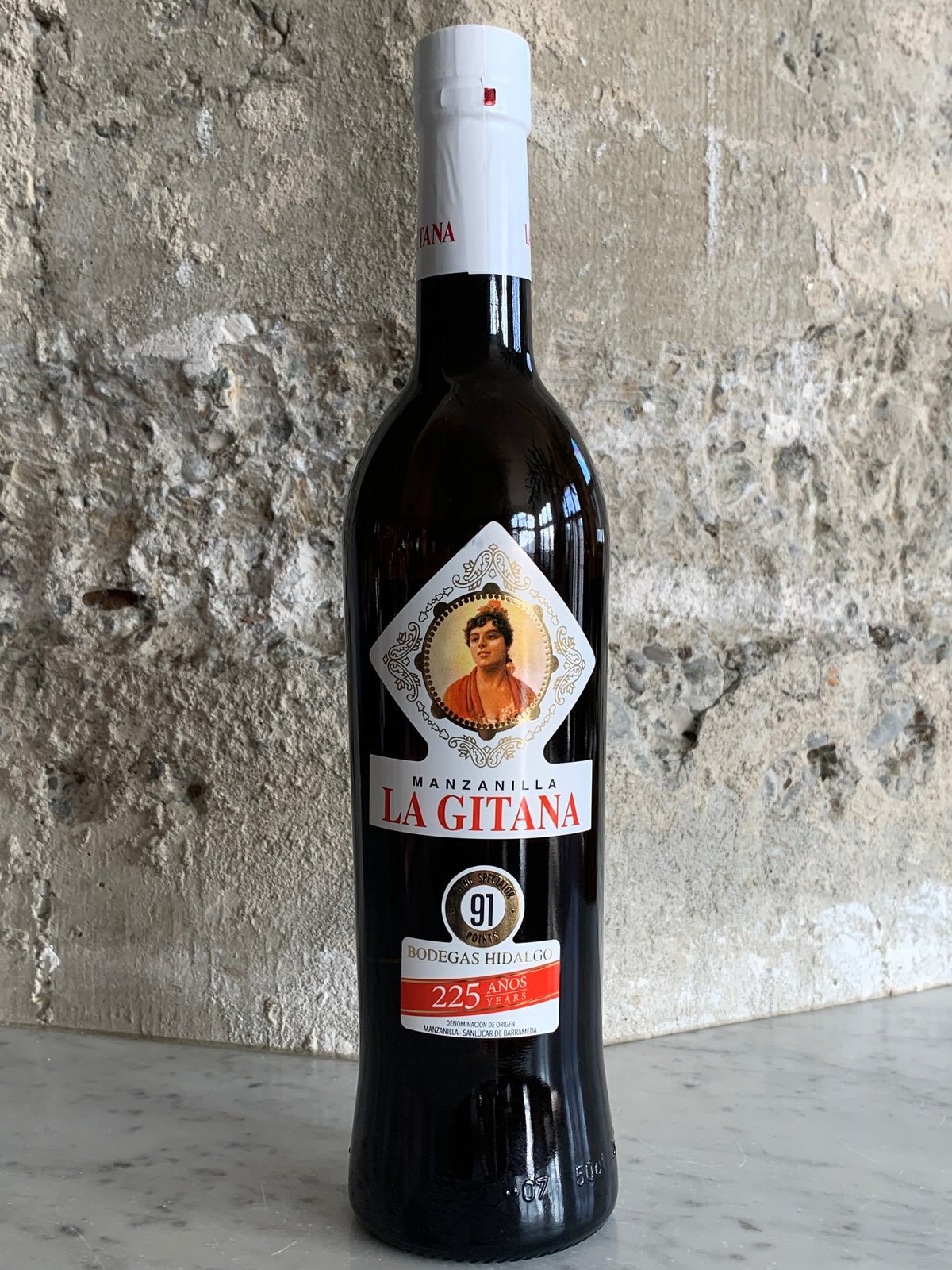
Hidalgo La Gitana in Sanlúcar de Barrameda, Spain is a historic Jerez-Xérès-Sherry DO winery producing classic solera-aged Manzanilla and aged Amontillado VORS. The estate focuses on Palomino grapes grown on albariza soils in Balbaína and Miraflores, maturing wines under a protective flor in coastal bodegas that impart saline freshness. Signature offerings include Manzanilla La Gitana (NV) and an Amontillado VORS, alongside traditional brandies. A family-owned operation since 1792, Hidalgo La Gitana pairs guided five-wine tastings and sunset vineyard experiences with local cuisine at Entre Botas, delivering mineral, saline, and nutty flavor profiles that speak directly of Sanlúcar’s sea-swept terroir. < Back Details Hidalgo La Gitana WINERY SUMMARY Hidalgo La Gitana sits at the edge of Sanlúcar de Barrameda, where the Atlantic and the Guadalquivir estuary shape a cool, humid climate that defines authentic Manzanilla. From the first sentence, Hidalgo La Gitana places you beside barrels glinting in low light and a coastal breeze that carries salt into the barrel rooms. This is a winery in the Jerez-Xérès-Sherry DO region that makes wines inseparable from place: pale, dry Manzanilla with briny, citrus-laced edges and older Amontillado and VORS that show oxidative complexity and toasted almond notes. The coastal terroir, albariza soils and the maritime flor combine here to produce expressions impossible to replicate inland. Visitors searching for a Manzanilla wine tasting in Sanlúcar will find clarity and provenance in every glass. The story of Hidalgo La Gitana is both specific and continuous: founded in 1792 by Don José Pantaleón Hidalgo, the estate remains family-run into its eighth generation. The Hidalgo family winemakers steward roughly 170 hectares across Balbaína and Miraflores, and the production team operates with a philosophy that privileges traditional solera and criadera fractional blending while integrating careful modern cellar practices. The cellar team oversees maturation under flor yeast in coastal bodegas, a process that fosters the distinctive saline freshness of true Manzanilla La Gitana. International recognition and historic accolades — referenced across wine literature and trade guides — underline the house’s pedigree; the winery holds registration number 20 in the Jerez region, a mark of longstanding presence. Awards from the 19th century through modern tastings have reinforced Hidalgo La Gitana’s reputation among sommeliers and sherry specialists, though the estate emphasizes consistent quality over trophy hunting. A visit reveals the product journey in vivid detail. The signature Manzanilla La Gitana (NV) is produced from Palomino grapes farmed on chalky albariza, fermented and raised in the solera under flor, delivering pale color, green-apple acidity, saline minerality and a yeasty, herbaceous lift. The Amontillado VORS undergoes an initial flor-aged phase before oxidative aging in older American oak casks, developing toasted nuts, dried citrus peel and layered caramelized notes; these are released as Very Old Rare Sherry expressions that reflect long barrel time and concentrated blending work. The house also bottles traditional brandies, matured and blended for depth and warmth. Hidalgo La Gitana’s production volume is moderate — historically reported around 200,000 bottles annually — which supports both broad distribution and occasional allocated releases. Limited bottlings and VORS casks are occasionally reserved for collectors and on-site purchases; each release traces back to solera dynamics that combine multiple vintages into a single, living wine. The tasting program at Hidalgo La Gitana is intentionally tactile and sensory. Standard guided tastings present five wines, including the flagship Manzanilla and an aged Amontillado, typically paired with local seafood, olives and regional tapas to reveal how saline acidity lifts food. Summer night tours and sunset vineyard tastings are specialty experiences that require advance reservations; prices for public tastings are approximately €35–€40. The on-site restaurant Entre Botas elevates the visit with menu-driven sherry pairings in a courtyard that reflects Andalusian architectural traditions—whitewashed patios, wooden beams and shaded terraces facing vineyard plots. Cellar walks move visitors through barrel rooms where the sound of the sea is almost audible and the air holds a faint, yeasty tang: a multi-sensory classroom for understanding flor, solera and coastal maturation. Best times to visit are during spring and autumn for temperate weather and more intimate tours, though tasting room experiences run year-round and specialized summer night events occur seasonally. Reservations are recommended for all structured tastings, sunset experiences and private events; some premium tours and VORS tastings have limited availability and must be booked in advance. Admission typically includes a guided tasting of five wines, with private and bespoke options available for collectors or small groups. For travelers seeking a direct encounter with the character of Sanlúcar, Hidalgo La Gitana delivers maritime clarity in every glass. Reserve a tasting to taste Manzanilla La Gitana, linger in the barrel rooms and dine at Entre Botas—Hidalgo La Gitana rewards those who arrive curious about history, terroir and the slow craft of solera-aged wine. Book early to secure sunset tastings and VORS samplings and bring a note-taking palate: the coastal acidity and nutty maturity here will change how you think about sherry. REQUEST BOOKING WINEMAKER ACCOLADES JOIN THE CLUB FEATURED GUIDES NEARBY WINERIES 00 Wines 1310 Spirit of the Country Distillery 1404 Manufacturing Distillery 1516 Brewing Company Distillery 2B Hemp Gin Distillery 50 West Vineyards 5020 Koudelka-Sturm Distillery A to Z Wineworks A. Batch Distillery A. Margaine A. Rafanelli Winery ANCAP Alcoholes CONTACT Calle Banda Playa 40, 11540 Sanlúcar de Barrameda, Cádiz, Spain https://www.lagitana.es/ +34669743992
- Domaine François Lamarche | | The En Primeur Club
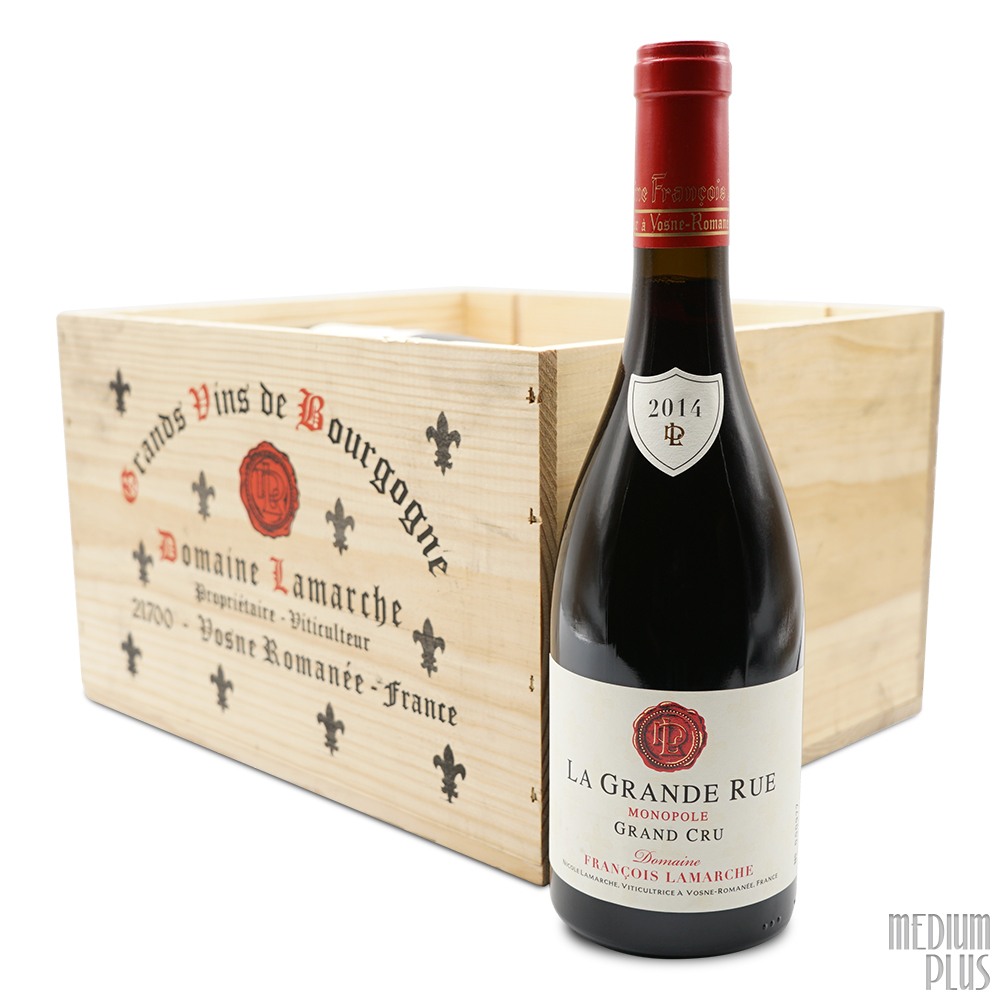
Domaine François Lamarche controls the legendary monopole Grand Cru La Grande Rue, positioned between Romanée-Conti and La Tâche in Vosne-Romanée's golden triangle. Nicole Lamarche crafts investment-grade Burgundies from 11.3 hectares of premier Côte de Nuits terroir, creating allocation-only wines that represent the pinnacle of Pinot Noir excellence. < Back Burgundy Domaine François Lamarche WINERY SUMMARY In the heart of Vosne-Romanée, where Burgundy's most legendary vineyards converge, Domaine François Lamarche commands an extraordinary collection of parcels crowned by the monopole Grand Cru La Grande Rue. This 1.65-hectare jewel sits between Romanée-Conti and La Tâche, representing one of Burgundy's most coveted addresses and the ultimate expression of Côte de Nuits terroir. Founded by François Lamarche and now masterfully guided by his daughter Nicole Lamarche, this family estate embodies generations of Burgundian winemaking wisdom. Nicole's meticulous approach honors traditional methods while embracing modern precision, crafting wines that capture the essence of each vineyard's unique character. Her philosophy centers on minimal intervention, allowing the terroir to speak through every bottle, creating wines that reflect the soul of Vosne-Romanée's exceptional limestone-rich soils. Across 11.3 hectares, the domaine produces investment-grade Pinot Noirs from an impressive portfolio including Grand Crus Clos de Vougeot and Echézeaux, alongside Premier Crus Malconsorts and Suchots. The flagship La Grande Rue represents the pinnacle of the estate's production, with its monopole status ensuring complete control over this legendary vineyard's destiny. Each wine undergoes careful barrel aging in the estate's historic cellars, where traditional Burgundian techniques create bottles destined for the world's finest collections. Production remains deliberately limited, with allocation-only availability for most cuvées. Visiting Domaine François Lamarche requires advance booking, reflecting the estate's exclusive nature and Nicole's hands-on approach to hospitality. The intimate tasting experience takes place in the family's historic cellars beneath Vosne-Romanée's cobblestone streets, where visitors discover the nuances that distinguish each vineyard parcel. Private tastings showcase the domaine's complete range, from village-level expressions to the legendary La Grande Rue, offering insights into Burgundy's complex hierarchy of appellations and the subtle differences that define great terroir. For collectors seeking authentic Burgundian excellence, Domaine François Lamarche represents an essential discovery. Contact the estate directly to arrange exclusive tastings and secure allocations of these remarkable wines that define Vosne-Romanée's enduring legacy. REQUEST BOOKING WINEMAKER Nicole Lamarche ACCOLADES (2025) Pearl 3 Star Prestige JOIN THE CLUB FEATURED GUIDES NEARBY WINERIES 00 Wines 1310 Spirit of the Country Distillery 1404 Manufacturing Distillery 1516 Brewing Company Distillery 2B Hemp Gin Distillery 50 West Vineyards 5020 Koudelka-Sturm Distillery A to Z Wineworks A. Batch Distillery A. Margaine A. Rafanelli Winery ANCAP Alcoholes CONTACT Domaine Raveneau, Rue de Chichée, Chablis, France http://www.domaine-lamarche.com
- Palenque El Conejo | | The En Primeur Club
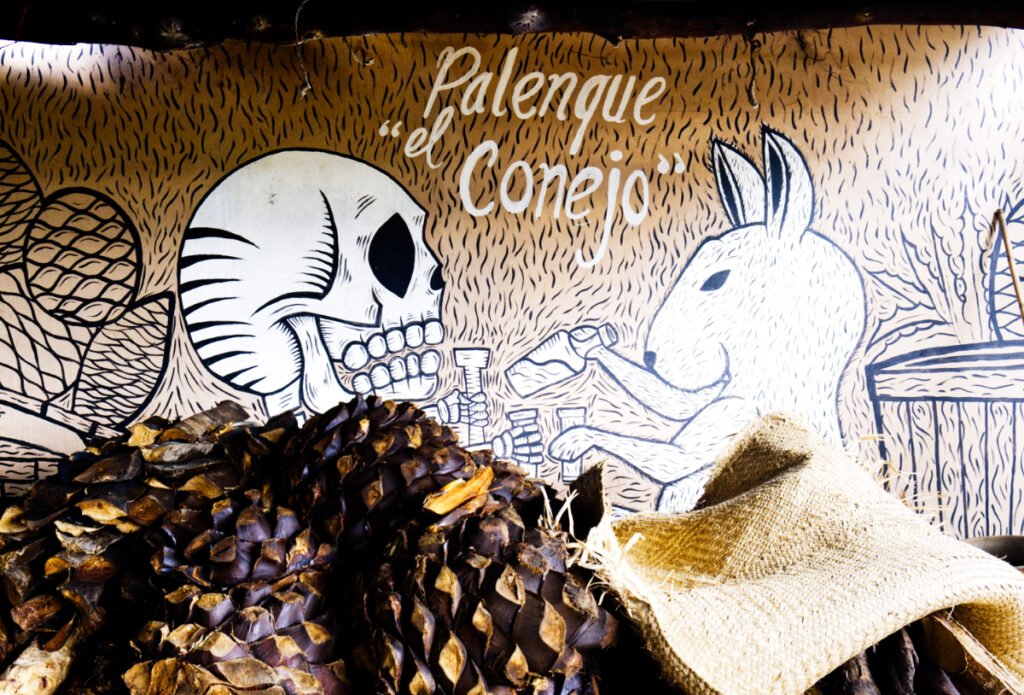
Palenque El Conejo in Santa Catarina Minas, Oaxaca produces ancestral mezcal using estate-grown agave and hand-forged methods. Signature expressions include Estate Ancestral Mezcal (Mixed Agave), Single-Agave Espadín Expression, and a Wild-Agave Mixed-Species Release—small-batch spirits that capture volcanic-mineral soils, slow-roasted agave, and a tobacco-smoke finish. Led by Maestro Antonio Carlos Méndez (“Conejo”), the family-run distillery emphasizes multigenerational craft, tahona crushing, clay and copper pot distillation, and natural fermentation. Tastings pair savory, home-cooked Oaxacan food with layered nosing notes of roasted fruit, citrus peel, white pepper and mineral ash—an immersive, slow-paced experience arranged through curated Oaxaca tour operators. < Back Details Palenque El Conejo WINERY SUMMARY Palenque El Conejo sits in Santa Catarina Minas, Oaxaca, where heat-softened agave piñas are hoisted from volcanic, rocky terraces and fed into earthen pit ovens. The first breath of the experience is the scent of roasted agave and wood smoke carried on dry mountain air; guests step from the minivan into a working palenque and meet Maestro Antonio Carlos Méndez—known locally as Conejo—who from the first sentence explains plant ages, soil textures and how a 25-year agave tells a story in the spirit. Palenque El Conejo is located roughly an hour from Oaxaca city and situates terroir at the center of every bottle: more than a dozen agave species grow on the family land, each adding botanical complexity to the distillery's field-to-still portfolio, and this is a working visit rather than a storefront performance. The long view—the patience of agave maturation and the discipline of ancestral technique—is palpable the moment you arrive. Maestro Antonio Carlos Méndez is both steward and teacher: his life is measured in plantings and harvests, and the palenque operates as a multigenerational family workshop. Production is guided by ancestral protocols—agave roasted in earthen pits, tahona stone crushing, open-air, wild yeast fermentation, and small-batch distillation in copper and clay pot stills—so each run reads like a vintage in micro. The team eschews industrial shortcuts; Conejo personally oversees the fields, trains younger family members, and invites visitors into conversations about biodiversity and sustainable harvest cycles. While there are no formal international awards listed for Palenque El Conejo, the palenque is frequently included on educational mezcal routes and has earned regional respect for authenticity and careful stewardship of rare agave species. The product journey at Palenque El Conejo traces a clear line from soil to glass. Notable releases are modest, often allocated: Estate Ancestral Mezcal (Mixed Agave) delivers layered aromatics of orange peel, smoked pineapple and river-rock minerality from mixed-site distillations; a Single-Agave Espadín Expression highlights bright green-agave sugar, citrus zest and a clean peppery finish from short, careful cuts; and a Wild-Agave Mixed-Species Release showcases floral high notes, resinous herbs and a long, saline-ash aftertaste. Distillations alternate between clay and copper pot stills to emphasize different textural outcomes—clay imparts earthy, rounded mouthfeel while copper produces crystalline brightness. Small-batch runs are commonly bottled unaged or at low oxidation; occasional experimental cask finishes or limited on-site single-vat releases are reserved for guests and tour partners. Each spirit is proofed and married to taste by Conejo and his family, with bottlings reflecting the specific agave, roast level and fermentation vessel used for that run. Visitors experience a layered, domestic hospitality: mornings and afternoons follow the rhythm of the palenque with field walks, a hands-on planting opportunity for guests, and a tour of the still house. Tastings take place under shade, with Conejo guiding flights and his wife serving traditional Oaxacan dishes—mole, fresh tortillas and seasonal salsas—to illustrate how food interacts with each expression. The site is rustic: stone-lined ovens, the tahona yard, an intimate tasting area and stacked clay and copper stills compose an honest, workmanlike architecture rather than a polished visitor center. This atmosphere lends credibility; you are in the production zone, not a staged tasting room. For photographers and serious spirits collectors, the visual record—from piña fields to hand-labeled bottles—reads as documentary proof of craft. Best visiting windows are dry-season months when field conditions and transport from Oaxaca city are most reliable; tours are typically 6–8 hours and arranged through specialized Oaxaca operators, so reservations are required and availability can be limited. Expect small-group, private or semi-private formats; plan logistics with your tour provider and confirm dietary needs for the family-hosted meals. Palenque El Conejo’s tours emphasize education and intimacy rather than large-scale retail sales. For travelers seeking an authentic, hands-on encounter with Oaxacan mezcal culture, Palenque El Conejo delivers an unvarnished, sensory-rich alternative to commercial tasting rooms. Reserve through a trusted Oaxaca operator, ask for a field-to-still itinerary, and arrive ready to walk the agave land and taste spirits that carry the names and history of the family who made them—Palenque El Conejo invites you to learn, taste and leave changed by the terrain and the craft. REQUEST BOOKING WINEMAKER ACCOLADES JOIN THE CLUB FEATURED GUIDES NEARBY WINERIES I'm an image title Describe your image here. I'm an image title Describe your image here. I'm an image title Describe your image here. CONTACT Santa Catarina Minas, Oaxaca realminero.com.mx +52 951 520 6139
- Fernet Vittone Distillery | | The En Primeur Club
Fernet Vittone Distillery in Villa Mercedes, Argentina, produces classic Argentine fernet in a style that marries Italian amaro tradition with local ingredients. Production centers on botanical infusion and French-oak aging; notable expressions include Fernet Vittone (Classic), a barrel-aged Fernet Vittone Reserva (12–14 months), and limited small-batch Reserva Especial releases. The distillery is recognized within Argentina’s fernet landscape and offers intensely aromatic spirits—dark herbal bitter, menthol and citrus peel notes, bitter-sweet caramel finish—crafted for both the fernet con cola ritual and modern cocktail programs. Visitors can expect a sensory-forward story of herbs, oak spice, and rounded grapey base distilled for balance and texture. < Back Details Fernet Vittone Distillery WINERY SUMMARY Fernet Vittone Distillery sits in Villa Mercedes, Argentina, where Italian amaro tradition met local spirit culture to create an enduring national taste. The first sentence must name the place: Fernet Vittone Distillery anchors its work in the Argentine habit of drinking fernet—over 75% of global consumption occurs in Argentina—bringing a regional point of view to an Italian-born amaro style dating to 1845. Guests arriving at the distillery will find a production-focused facility where botanical infusion, controlled distillation and measured oak aging shape concentrated, bitter spirits designed for both the classic fernet con cola and contemporary cocktail bars. This distillery tour story answers the immediate question many travelers ask: what makes an Argentine fernet different? Here, local water, grape distillate and a profile tuned for cola pairing define the house signature. Fernet Vittone Distillery’s heritage and craft are rooted more in tradition than in flashy awards: the label is recognized alongside national names such as Fernet-Branca and Capri for steady market presence and regional loyalty. The distillery team maintains a production philosophy that blends artisanal infusion techniques with industrial bottling capacity—botanicals are macerated, the grape spirit is blended, then the liquid is proofed and aged. While there is no single named master distiller found in public records, the production team follows a consistent regimen: botanical sourcing, infusion, stainless-steel distillation footprints and an aging program that often uses French oak for depth. Fernet Vittone Distillery honors its Italian roots with bitter herbs and modern Argentine craft with local water and grapes, producing a flavor profile both historical and immediately local to Villa Mercedes. The product journey at Fernet Vittone Distillery emphasizes core expressions and selective barrel work. The primary bottling—Fernet Vittone Classic—typifies the house: roughly 39–40% ABV, intensely herbal, with menthol, bitter orange peel, and a caramel backbone derived from cooked grape must and controlled caramel addition. Notable releases include a Fernet Vittone Reserva aged 12–14 months in French oak to add vanilla, toasted spice and taninaceous roundness; and occasional limited Reserva Especial editions allocated in small runs for on-premise and regional distribution. Production details follow standard Argentine fernet practice: botanical infusion into a grape-based spirit, distillation and a rest period in oak rickhouses when required. Tasting notes run from medicinal herb and eucalyptus to bitter cocoa and orange rind, finishing with lingering caramel and oak spice. Visitors who request vertical or barrel tastings may experience relative differences in oak influence, and the distillery team sometimes stages cocktail demonstrations showing how the spirit performs both neat and in mixed formats. Experience at Fernet Vittone Distillery balances industrial-scale production viewing with tactile, sensory hospitality. While specific tasting-room hours and booking links are not publicly listed, visitors typically encounter a still house, stainless-steel fermentation and distillation vessels, and barrel storage that illustrates the aging timeline. The atmosphere favors education: sensory tables, guided explanations of the botanical matrix, and demonstrations of the fernet con cola ritual that has become a cultural shorthand across Argentina, especially in provinces like Córdoba and Buenos Aires where the drink is central to social life. Architecturally, the site reflects practical distillery design—production bays, bottling lines and a barrel area—where the process is the focal point rather than boutique decor. Essential information for planning a visit: Fernet Vittone Distillery is located in Villa Mercedes, San Luis Province; public contact details and booking URLs are not found in available sources, so prospective visitors should arrange travel and inquiries through regional tourist offices or local hospitality partners. Best times to visit align with weekday production hours for facility tours and late afternoons for tastings; reserve in advance where possible, and expect guided experiences to cover production, tasting notes and service suggestions. Fernet Vittone Distillery invites travelers who prize cultural context and bold herbal spirits to plan a visit and taste a style central to Argentine drinking culture. For those seeking an authentic introduction to Argentine amaro, Fernet Vittone provides a clear line from Italian origin to local expression—book through regional partners, request a tasting, and taste the 12–14 month oak influence that defines the Reserva expressions. Come for the herb-laden aromas and stay for the stories behind one of Argentina’s notable fernet producers, the Fernet Vittone Distillery. REQUEST BOOKING WINEMAKER ACCOLADES JOIN THE CLUB FEATURED GUIDES NEARBY WINERIES 00 Wines 1310 Spirit of the Country Distillery 1404 Manufacturing Distillery 1516 Brewing Company Distillery 2B Hemp Gin Distillery 50 West Vineyards 5020 Koudelka-Sturm Distillery A to Z Wineworks A. Batch Distillery A. Margaine A. Rafanelli Winery ANCAP Alcoholes CONTACT